15 items to include in a sustainable onboarding box
A sustainable onboarding box works best when every item gets used again and again. This guide shares practical picks you can standardise, plus a simple way to order ahead so each box costs less and stays more sustainable—plus startup-friendly add-ons that feel intentional.

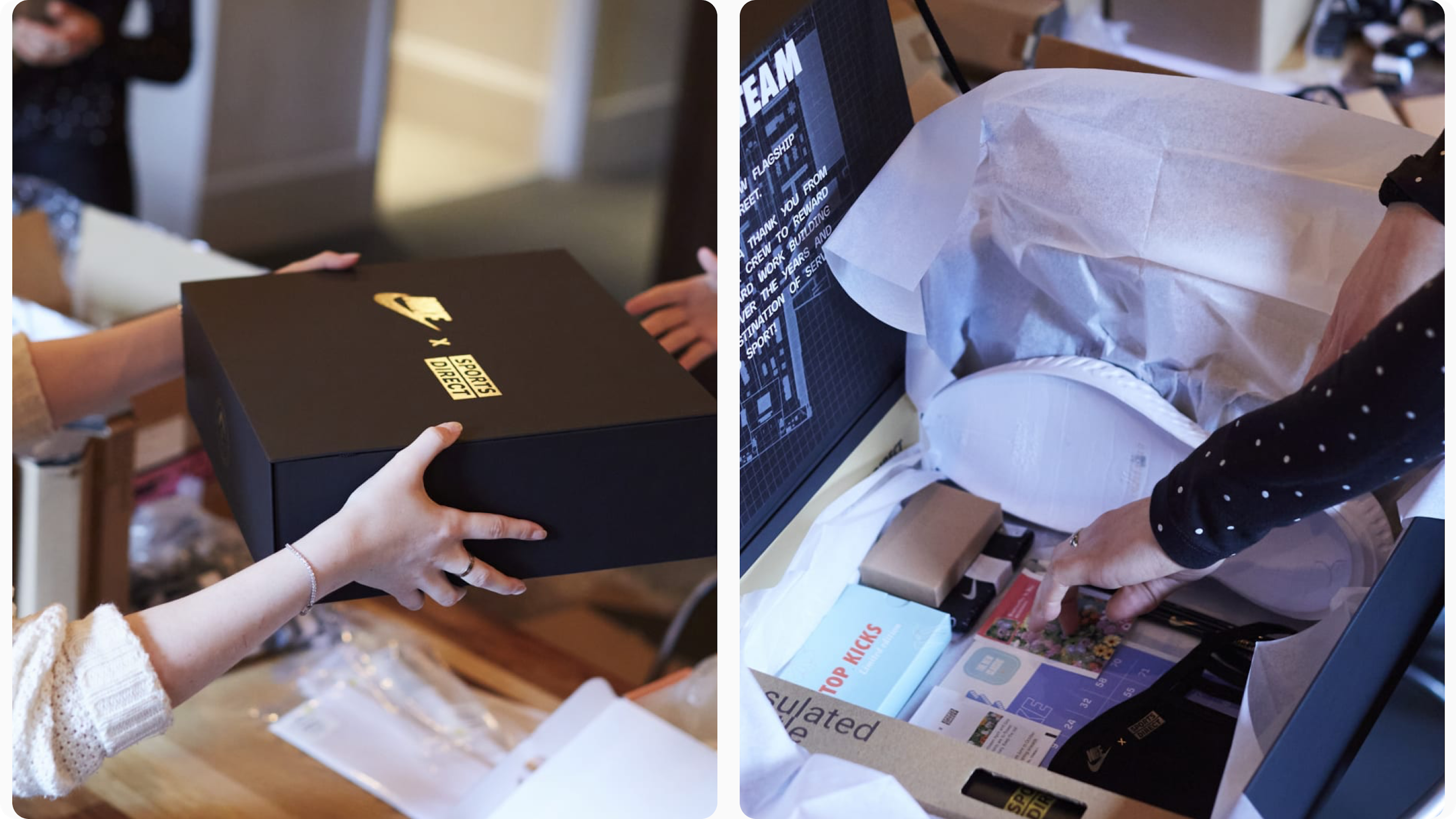
Welcoming new hires sounds simple, but in practice it’s easy to miss the moment. A laptop arrives late, the “welcome kit” is a last-minute mix, and the new person starts day one feeling like an afterthought. A sustainable onboarding box fixes that by turning the first week into a smooth, consistent experience that works for office, hybrid, and remote teams.
The real problem is time and consistency. Most teams don’t “forget” to welcome people—they just don’t have a repeatable system. When every department orders different items, costs climb, stock runs out, and branding looks messy. The result is waste, rushed shipping, and a kit that doesn’t get used. A simple plan makes the whole thing calmer and more reliable.
Onboarding kit essentials
A strong onboarding kit starts with items that match real work habits: carrying a laptop, staying hydrated, taking notes, charging devices, and commuting. “Sustainable” should mean durable and re-usable first, not trendy materials that still end up unused. If a product feels like clutter on day one, it will become waste by week two.
The easiest way to decide is to focus on repeat-use frequency. Choose a few core items people use weekly, then add one or two “comfort” pieces that make workdays better, like warmer layers or desk-friendly tools. This keeps the kit practical for most roles while still feeling welcoming and personal.
Onboarding package planning
Plan your onboarding package like a system, not a one-off gift. Many companies order a set that lasts one to three years and keep it on hand, so every new hire gets the same experience without last-minute ordering. That consistency also helps HR and Ops avoid scramble-mode when multiple people join in the same month.
Ordering at scale usually lowers the cost per box and can be more sustainable, because you reduce repeat shipments and avoid emergency replacements. Keep a stable “core kit” that rarely changes, then rotate one seasonal or team-specific item if you want freshness without waste. The result is a kit that feels designed, not stuffed.
We’ve collected 15 onboarding box items that tend to work well across most teams, because they match real day-to-day habits (commute, desk setup, hydration, charging). The first 10 items are strong “core kit” picks you can standardise and reorder in batches. The last 5 onboarding ideas are especially useful for startups, since they’re dynamic, mobile-friendly, and fit younger teams that move fast and work across locations.
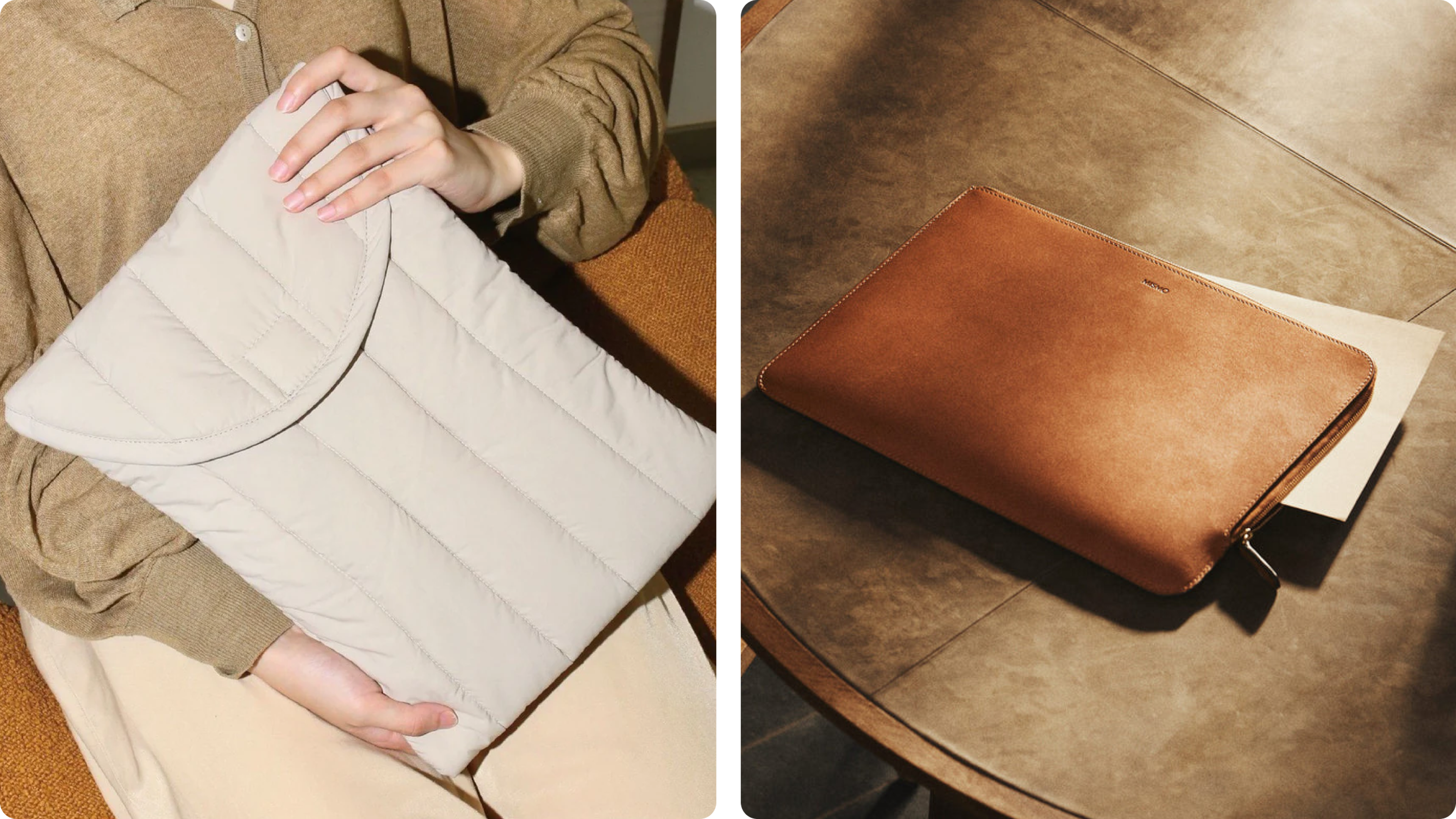
A computer sleeve with logo protects the one device every new hire depends on, so it gets used immediately and often. Choose a personalised laptop sleeve with logo that fits your standard laptop sizes and has a simple, work-appropriate look. Subtle branding ages better than big prints, and a clean design makes it more likely people keep using it beyond week one.
A tumbler becomes a daily essential when it’s leak-resistant, easy to clean, and fits both desk and commute life. Pick a branded tumbler that feels solid in the hand and doesn’t tip easily on busy desks. Keep the design minimal so it looks like real drinkware, not a giveaway—then it naturally stays in someone’s routine.

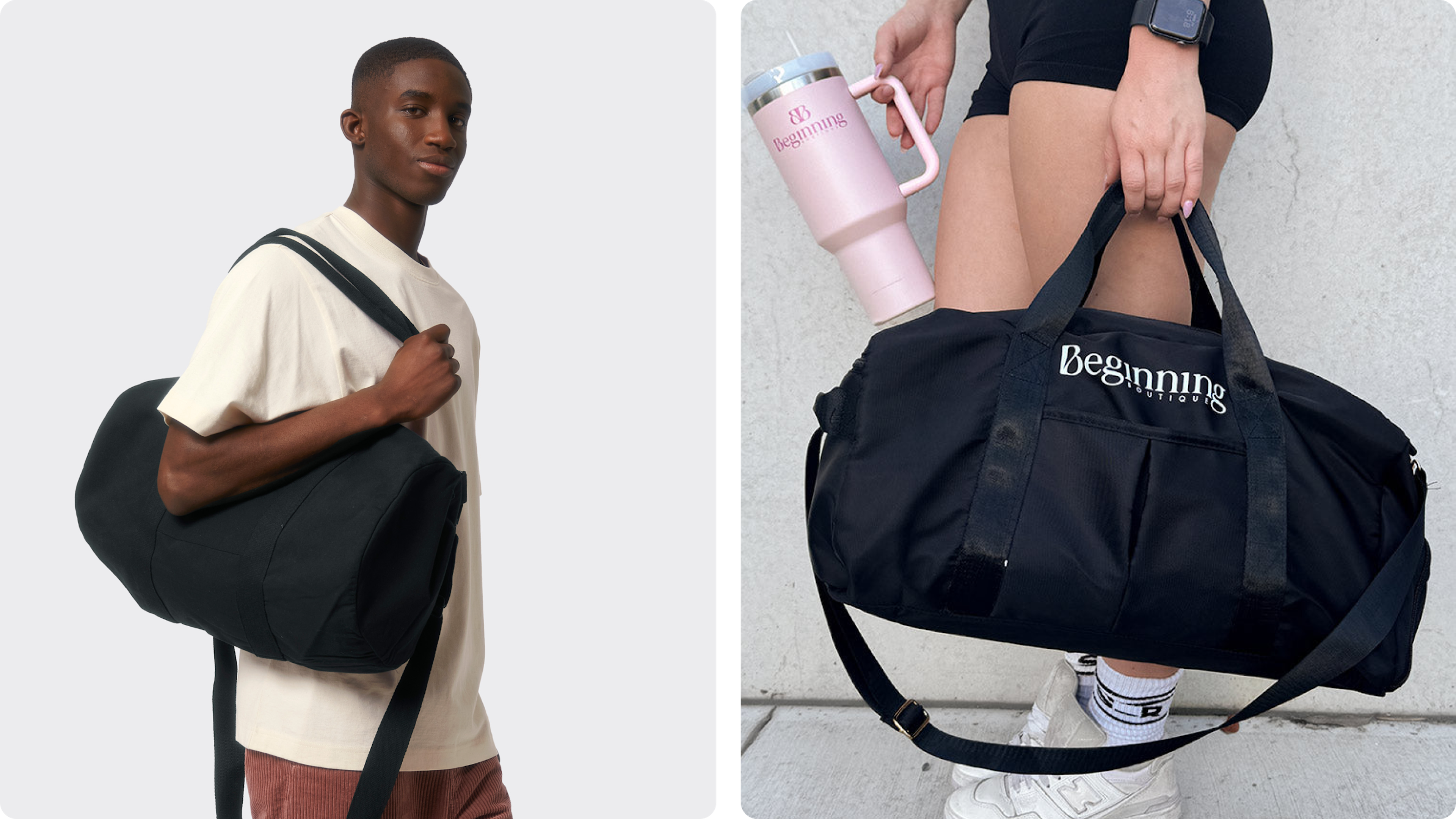
A gym bag only works if it suits your team’s habits—commute days, training after work, or carrying a change of clothes for long schedules. Choose a gym bag with logo that looks like a normal carry piece first, with branding kept small and tidy. When it’s wearable in public, it won’t end up forgotten in a locker or under a desk.
Beginning Boutique
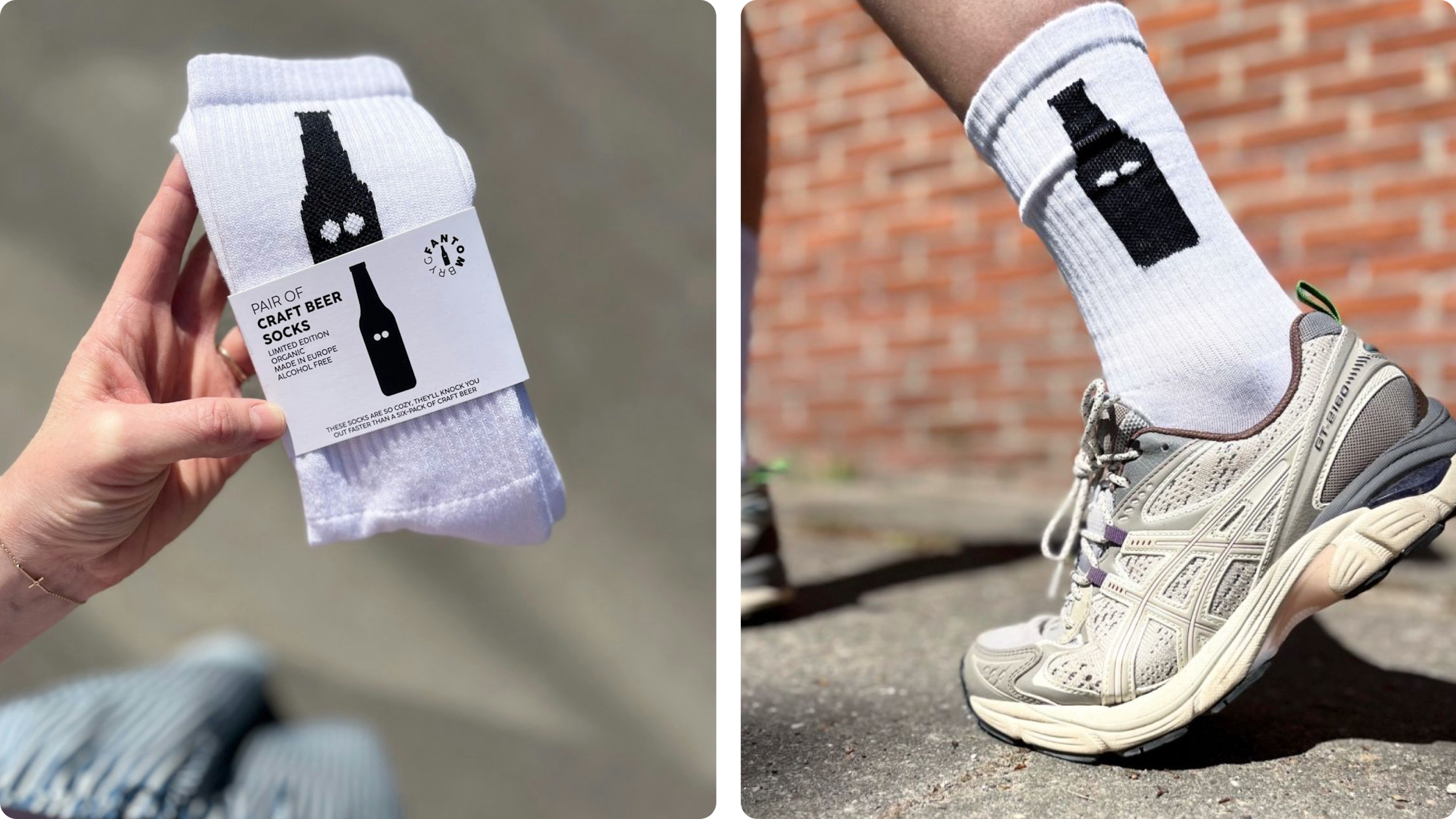
Socks are an easy add-on that still feels thoughtful when the design is wearable. Go for custom socks with subtle details rather than loud patterns, so people actually wear them outside work. They also avoid sizing headaches compared to other apparel, which makes them simple to stock for ongoing onboarding.
A jacket solves a real workplace problem: cold offices, windy commutes, and the walk to lunch or the canteen. If you include a branded jacket, make it look like proper outerwear—minimal placement, neutral colors, and a cut people would choose anyway. It’s a higher-cost item, but it can become a weekly staple if quality and fit are right.
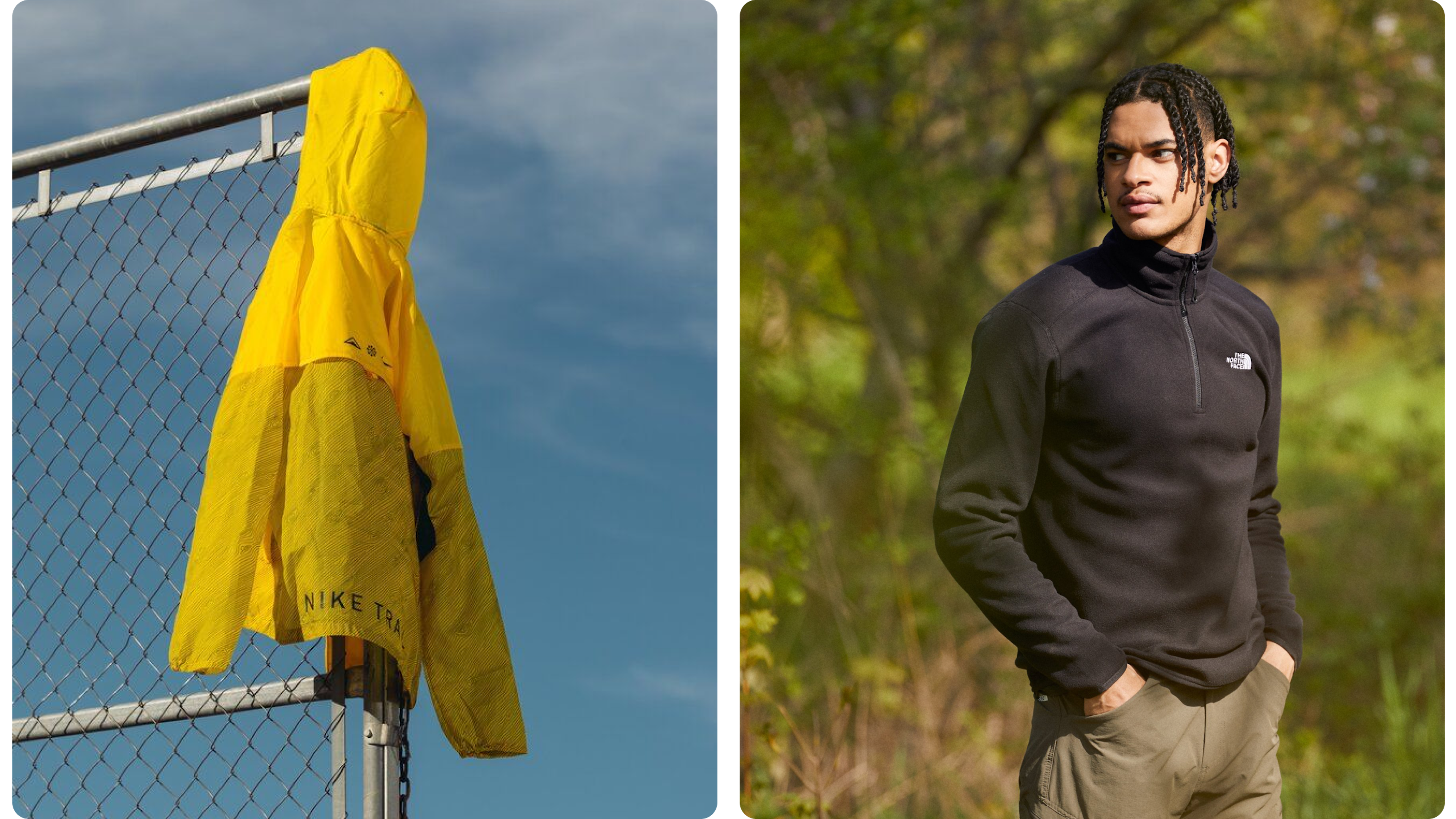
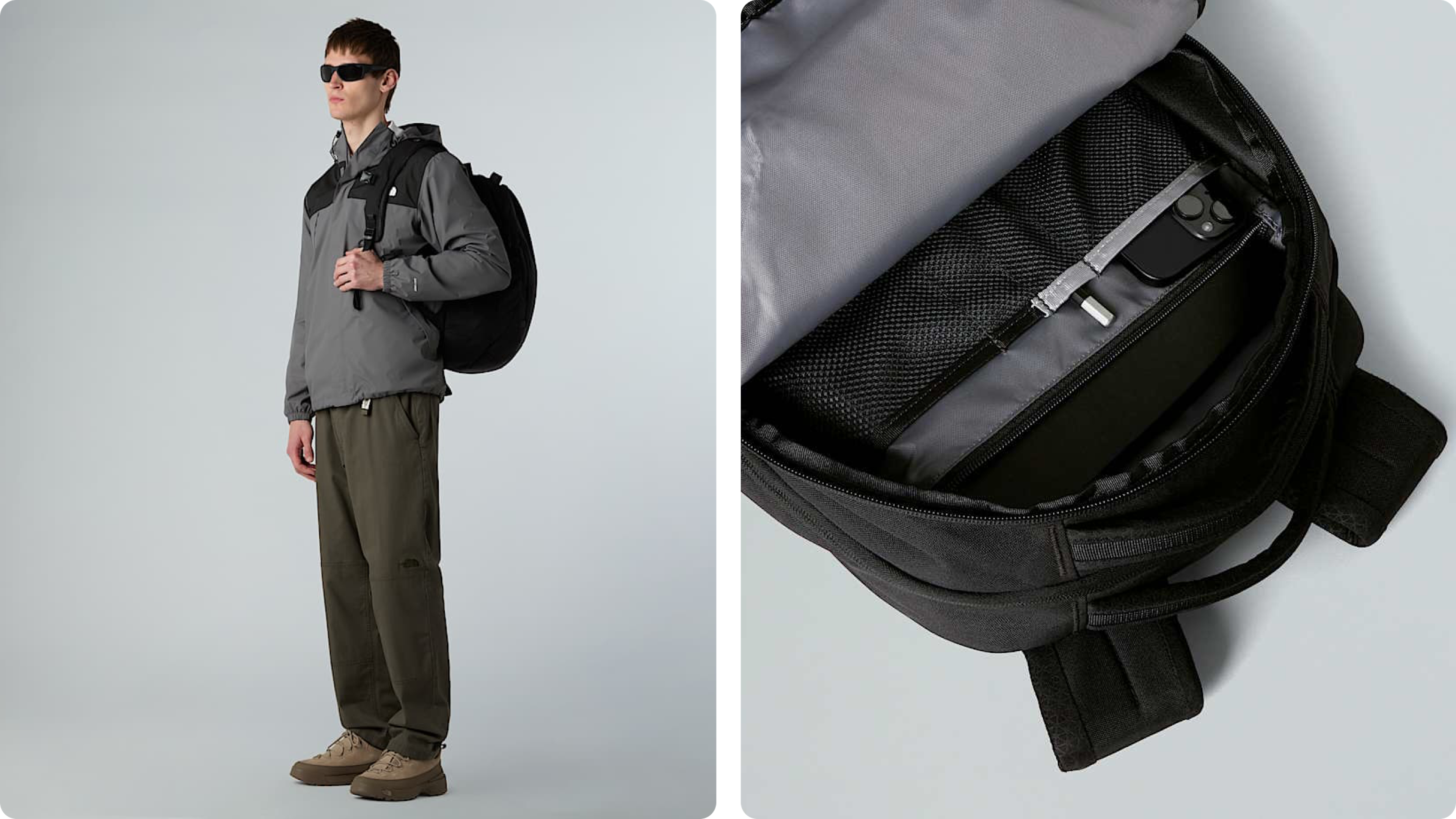
A backpack is one of the strongest anchor items because it becomes a daily carry for laptops, chargers, and work essentials. Choose a custom backpack with comfortable straps, durable zippers, and a laptop compartment that fits your standard devices. Understated branding is key here—when it doesn’t look like merch, people keep using it for work and travel.
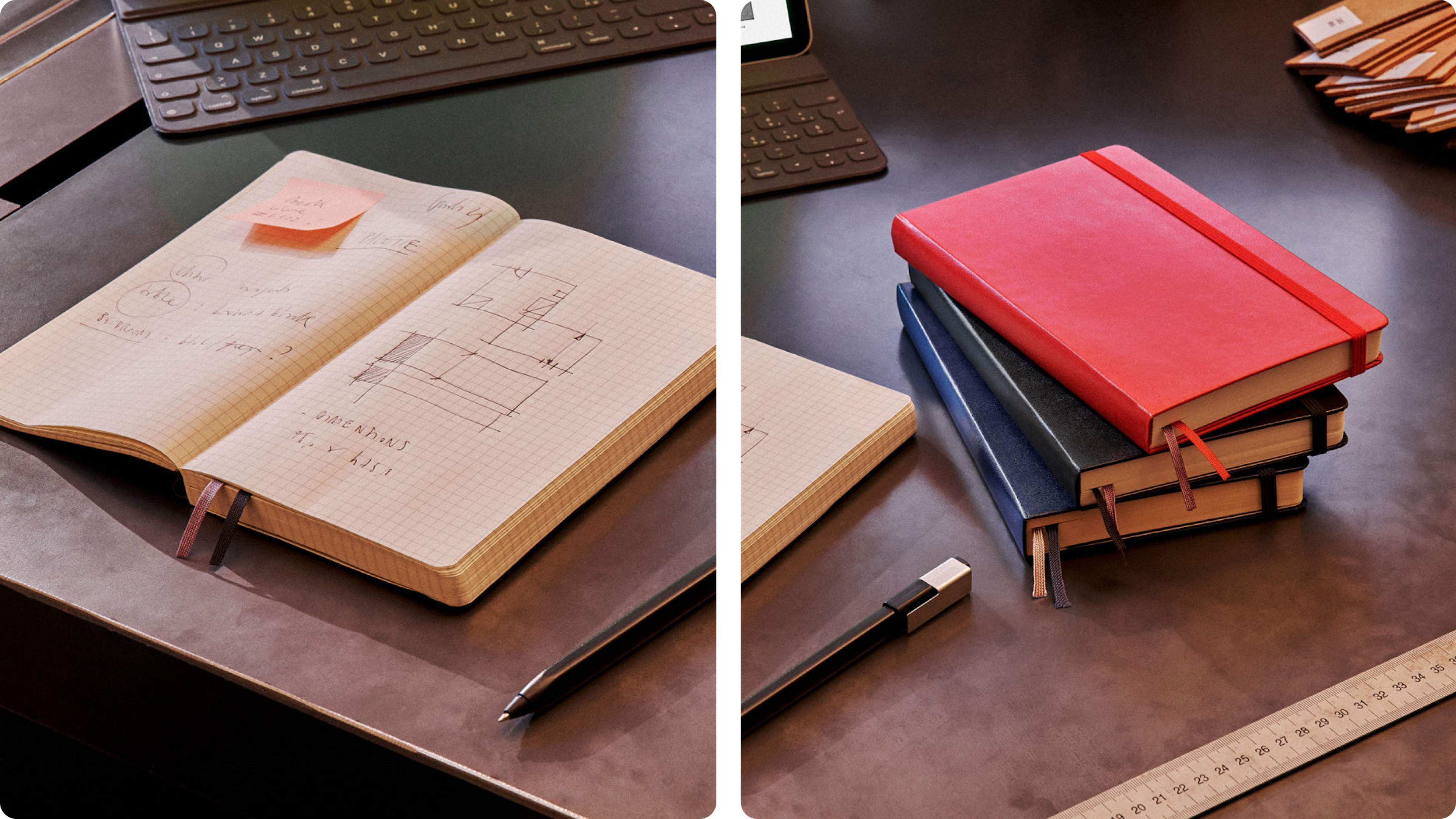
Notebooks still earn their place because onboarding is full of new names, tools, and processes. A notebook with logo feels more “kept” when the paper quality is good and the cover design matches your visual identity. If you want to make it more useful, add a simple first-week checklist page or key contacts section inside.
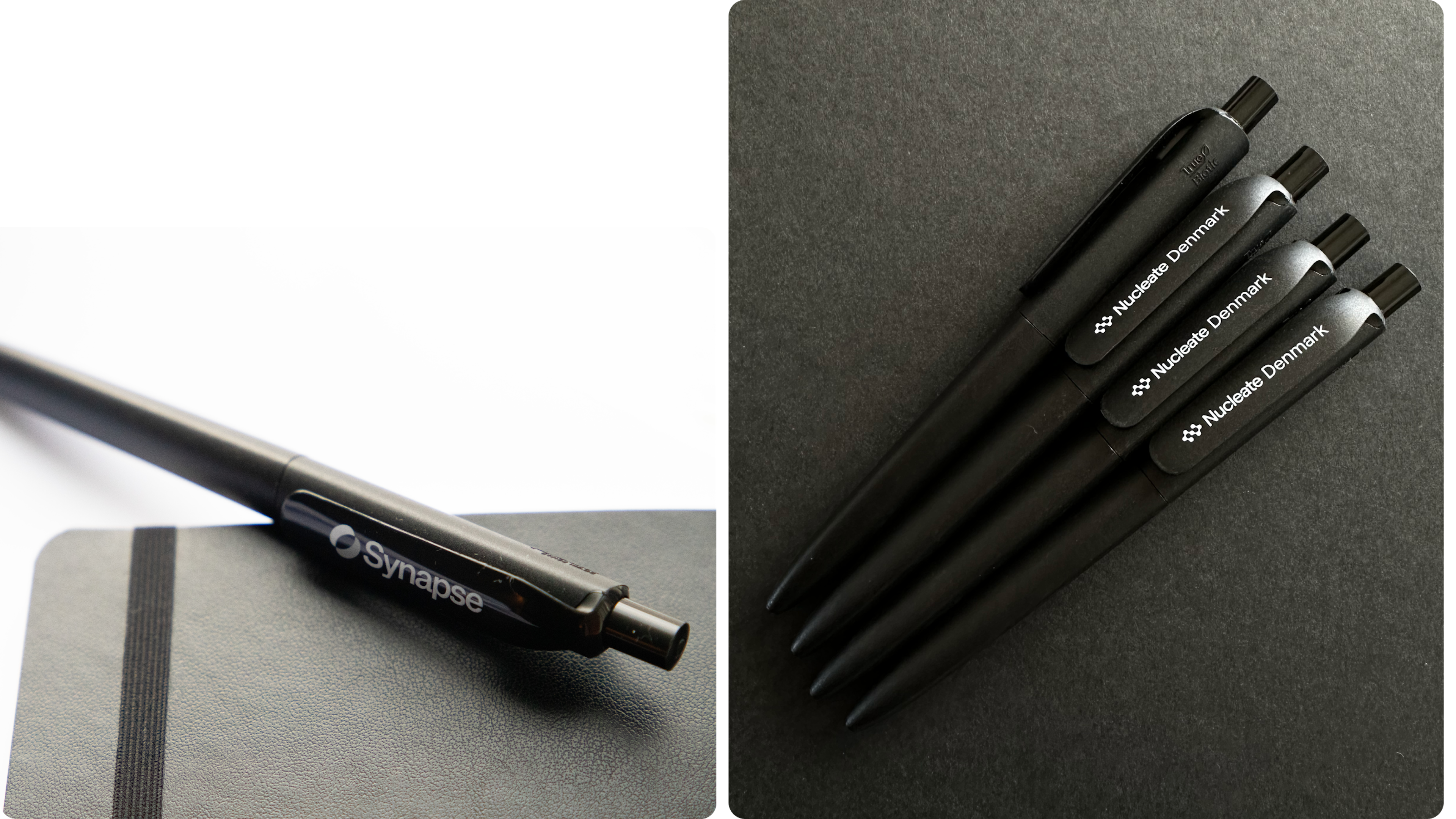
A pen seems small until someone needs to sign for equipment, write down a password, or take notes in their first meetings. Choose personalised pens that write smoothly and look professional enough to stay on a desk long-term. Quiet branding makes it feel like a tool, not a promo freebie, which is exactly what keeps it in use.
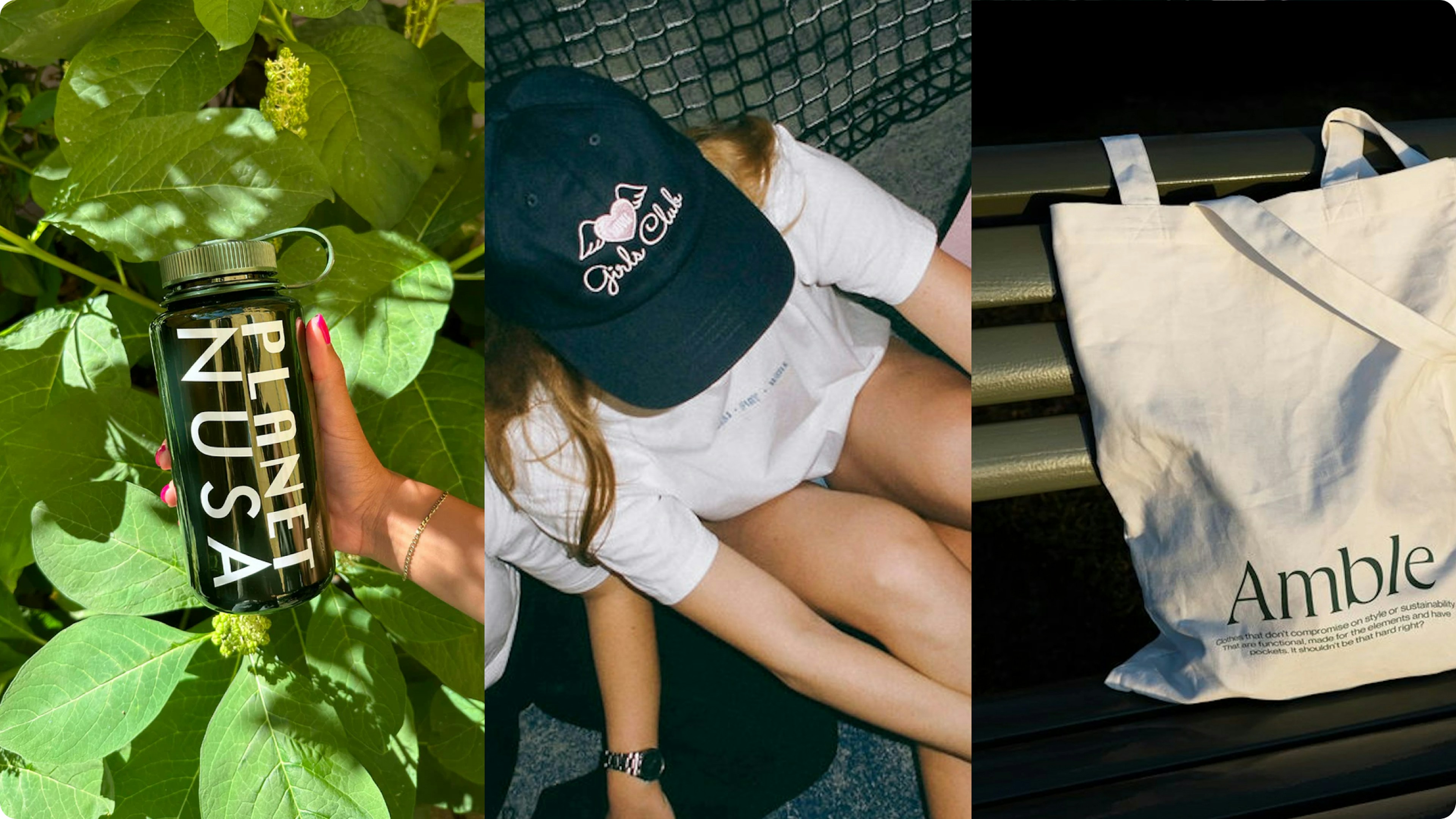
Custom headwear is seasonal and culture-dependent, but it’s a good fit when your team genuinely wears it outside work. Keep it simple: neutral colors, clean shapes, and small branding that feels like a label. If you hire across regions, a choice between styles helps avoid unused stock sitting on a shelf.
Caps
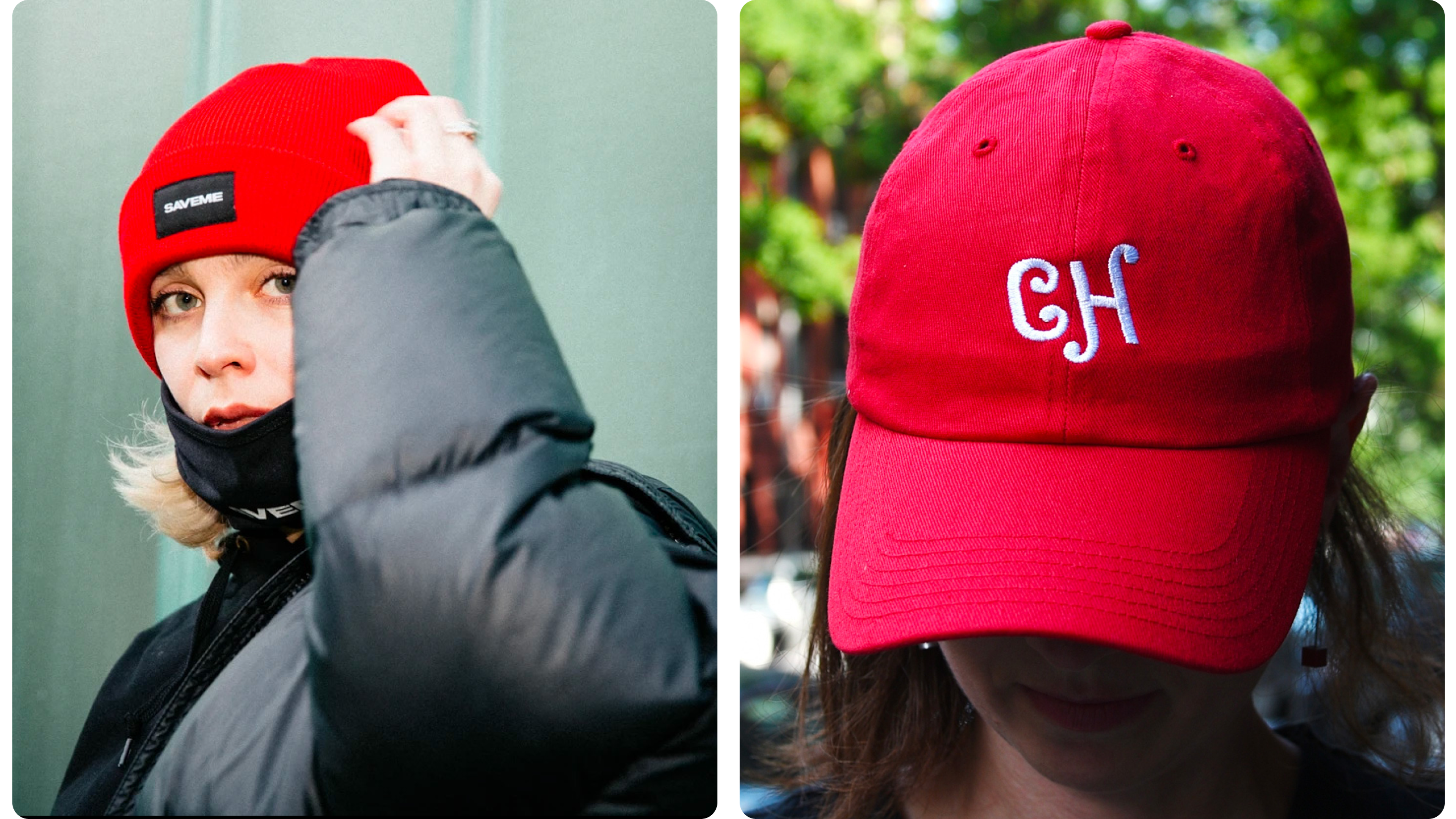
Caps work well for spring and summer onboarding, commute days, and outdoor events. A cap with logo looks most wearable with embroidery and minimal placement, so it pairs with everyday outfits. If your team attends conferences or runs community events, caps also act as a subtle “belonging” item without feeling like advertising.
Beanies
Beanies are an easy cold-weather win and a practical option for cooler regions. A branded beanie feels premium when the knit is soft and the logo is small and tidy. It’s also one of the most likely items to be used repeatedly on commute days, which supports the whole “sustainable” goal in a practical way.
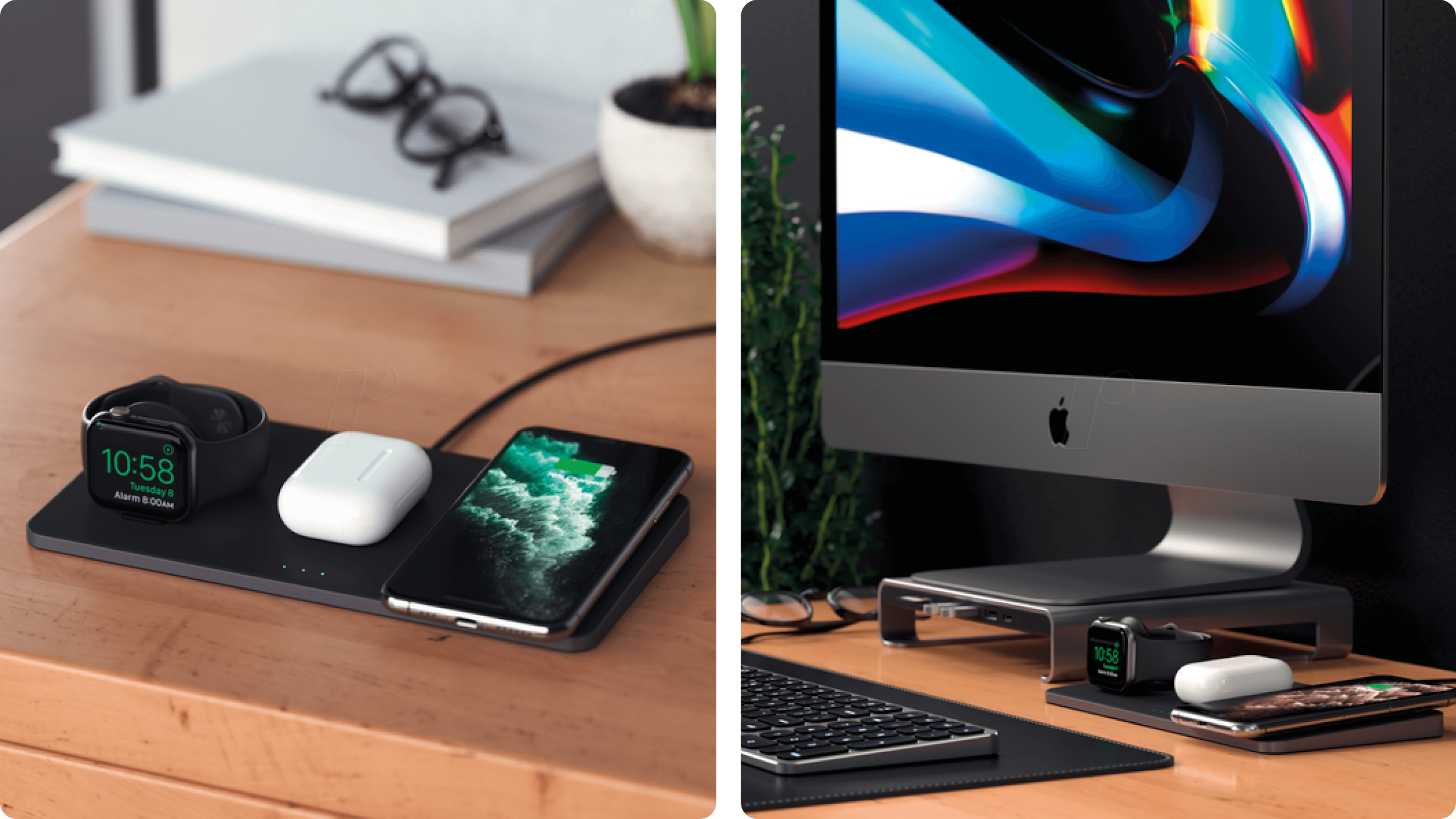
A charging dock reduces daily friction, especially during onboarding when people set up new devices, apps, and accessories. Choose an individuell desk charging dock that looks clean on a desk and supports common device types, so it becomes part of someone’s routine at home and in the office. Keep branding subtle so it blends into the workspace.
Onboarding ideas for Startups
Startups often want a kit that feels personal and dynamic without creating operational chaos. Keep the core items consistent, then add a few mobile-friendly pieces that match fast schedules and hybrid work. These picks tend to fit younger teams, because they’re practical, easy to carry, and feel like everyday gear—not corporate gifts.
Mini Power Bank
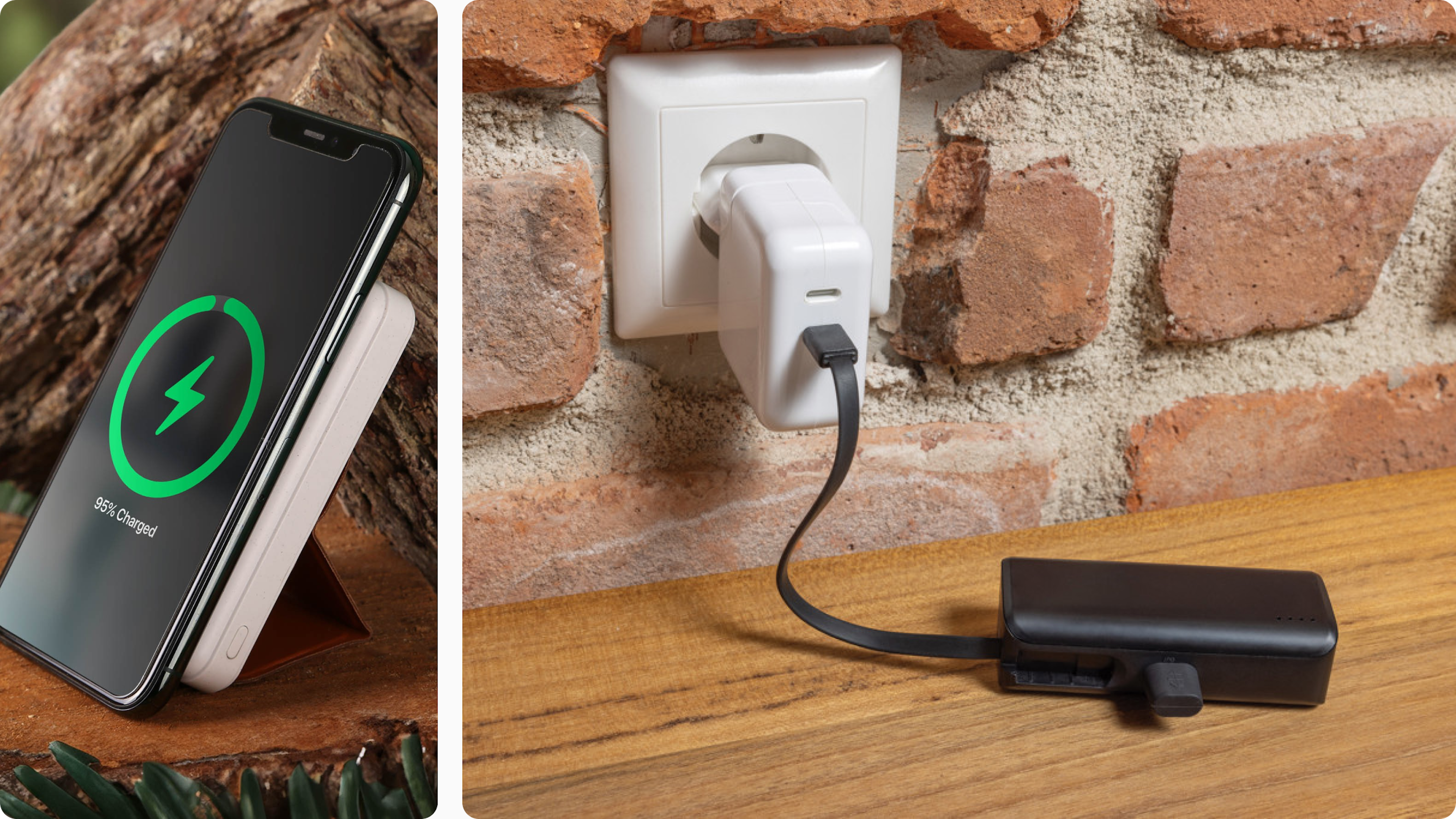
A power bank solves the most common “day one” problem: running out of battery while setting up accounts, tools, and authentication. A branded mini power bank works best when it’s small enough to live in a pocket or laptop bag. It’s a strong fit for startups where people move between coworking spaces, meetings, and commute-heavy days.
Magnetic Power Bank
A magnetic power bank is a dynamic add-on for teams that rely on phones all day and want a simple, cable-free setup. Choose a magnetic power bank with logo that feels sturdy and easy to attach, so it becomes a real daily tool instead of a drawer item. This is especially relevant for fast-moving roles like founders, sales, and ops.
Sweatshirt
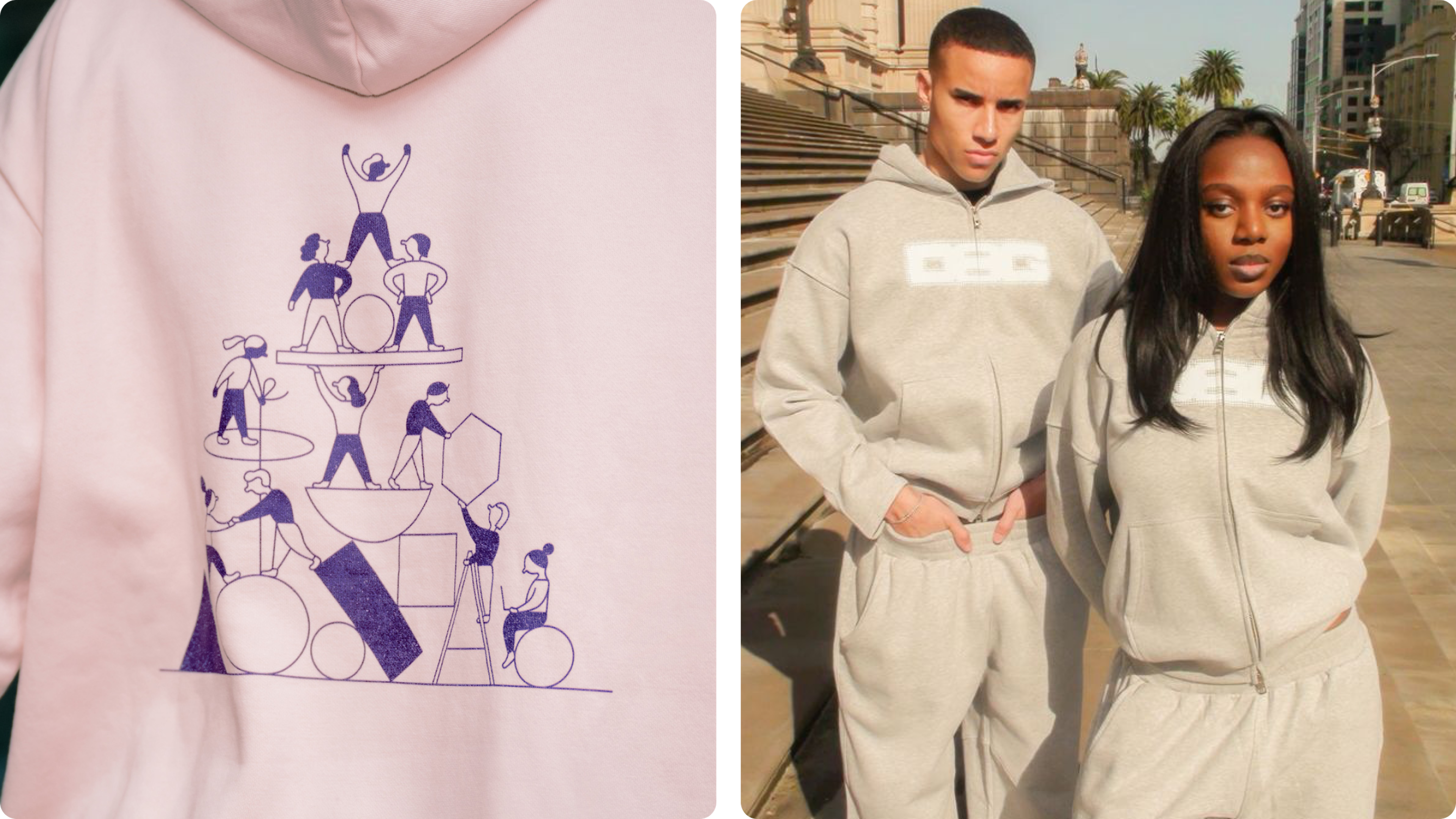
A sweatshirt is the kind of comfort item that startups often get right—useful for remote days, travel, and casual offices. A custom sweatshirt should feel like real apparel with a good fabric weight and subtle branding placement. When it looks like something someone would buy anyway, it stays in rotation for months, not days.
Sweatpants
Sweatpants make sense for remote-first or comfort-led cultures, but they work best as an optional add-on. Choose personalised sweatpants with logo with a modern cut and minimal branding so they feel like personal gear. Offering them as a choice keeps the kit inclusive and avoids unused sizes building up over time.
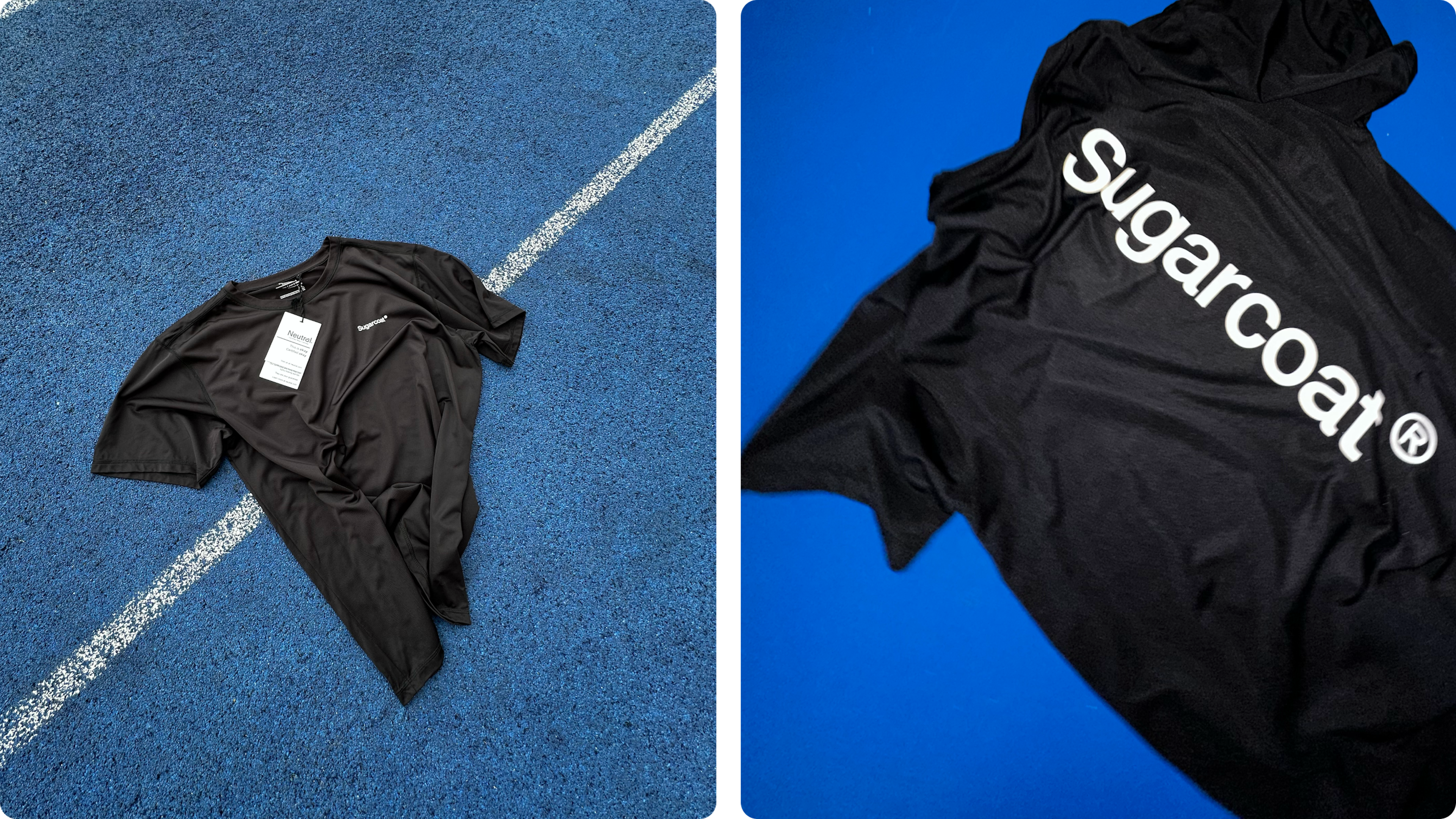
Sportswear fits younger teams that cycle, run, or build social moments around movement. A branded sportswear piece should be breathable, comfortable, and designed like proper athletic wear so it’s actually worn. It’s a good choice for startups that do fitness challenges or outdoor meetups, but it’s best kept as an add-on rather than a core item.
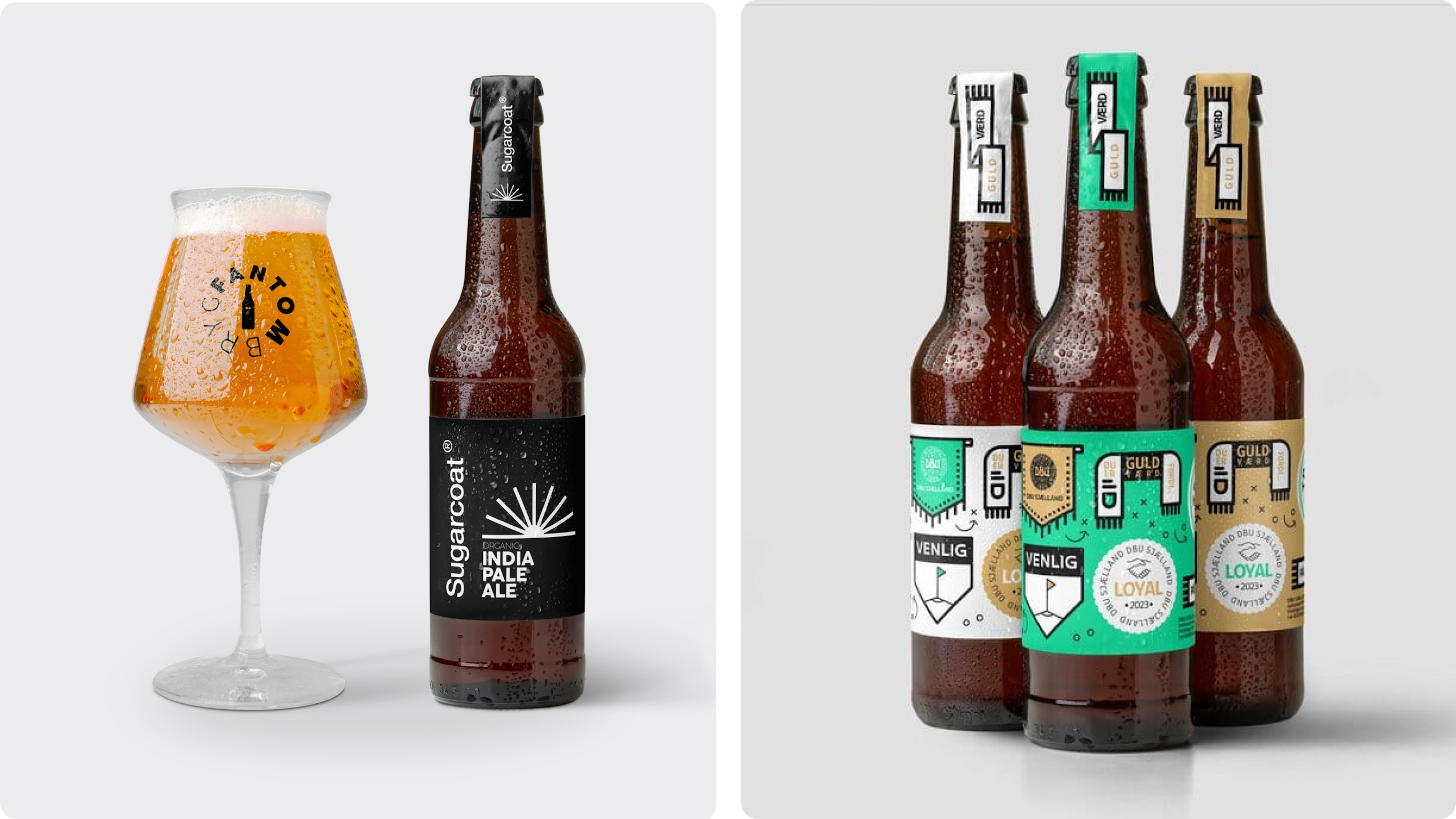
Organic beer can work as a culture moment for in-person onboarding or team dinners, but it should never be a default item. If it fits your team and local rules, a branded organic beer can feel like a small welcome ritual—especially when there’s a non-alcohol alternative alongside it. Keep it optional so the onboarding package stays inclusive.
Sport sunglasses are niche, but they can be a great targeted add-on for teams that run, cycle, or spend time outdoors together. Choose sport sunglasses with logo that look like real kit, not a novelty, so people actually use them. This one works best for specific teams or summer/event onboarding rather than every new hire.

jakestangel
Branding and production notes
The most sustainable kits are the ones people keep using, and branding plays a big role in that. Keep placement subtle, limit the number of logo positions across the kit, and match colors so everything feels like one system. When items look cohesive, they feel designed, which makes them more likely to be kept and used rather than replaced.
Production-wise, treat your onboarding box like a repeatable program. Standardise a core set, order in advance when you can, and keep a small buffer stock so you don’t rush-ship replacements. If you onboard regularly, this approach reduces decision fatigue and avoids those last-minute orders that cost more and often create more waste.
Conclusion
If you want a kit that’s cheaper, calmer, and more sustainable, build a stable core and order it in advance. Choose items that fit real work habits—carry, hydration, notes, charging—and keep branding understated so people use the products in daily life. Then add one optional culture item when it genuinely fits your team.
If you’d like help turning these ideas into a sustainable onboarding box for your team size and onboarding frequency, you can get in touch with Sugarcoat via our contact page. We can help you choose the right mix, keep branding cohesive, and point you to the most relevant custom and personalised products with logo so your kit feels intentional from day one. If you want inspiration, we’ve also collected real-life examples from well-known companies in our guide to new hire welcome kit ideas.
FAQ
What should be in a sustainable onboarding box?
Start with repeat-use basics: a bag, drinkware, something for notes, and one charging solution. Add one comfort or culture item only if it fits most people. The goal is fewer, better items that people keep using, not a full box of nice-to-haves.
How far in advance should we order an onboarding kit?
If you onboard regularly, plan batches that cover one to three years and keep stock on hand. This avoids rush ordering and helps you keep the experience consistent. It also makes forecasting easier, because your core items stay stable and only small add-ons change.
Does ordering at scale really make each box more sustainable?
Often, yes. Larger orders can reduce repeated shipping, packaging, and last-minute replacements. It also encourages you to standardise the core kit, which lowers the chance you end up with mismatched leftovers. The key is not over-ordering beyond realistic hiring plans.
How do we keep the kit inclusive for different preferences?
Keep the core neutral and practical, then offer choice for the most personal items (like apparel or seasonal headwear). If you include alcohol, make it optional and offer an equivalent alternative. A consistent system with small choice points usually feels inclusive without adding complexity.
Related posts
We're here to support you all the way from design and production to delivery.