10 products for sustainable goodie bags
A sustainable goodie bag works when the contents—and the bag itself—stay in everyday use. Below you’ll find 10 concrete examples plus clear selection rules for events, onboarding, and client visits.

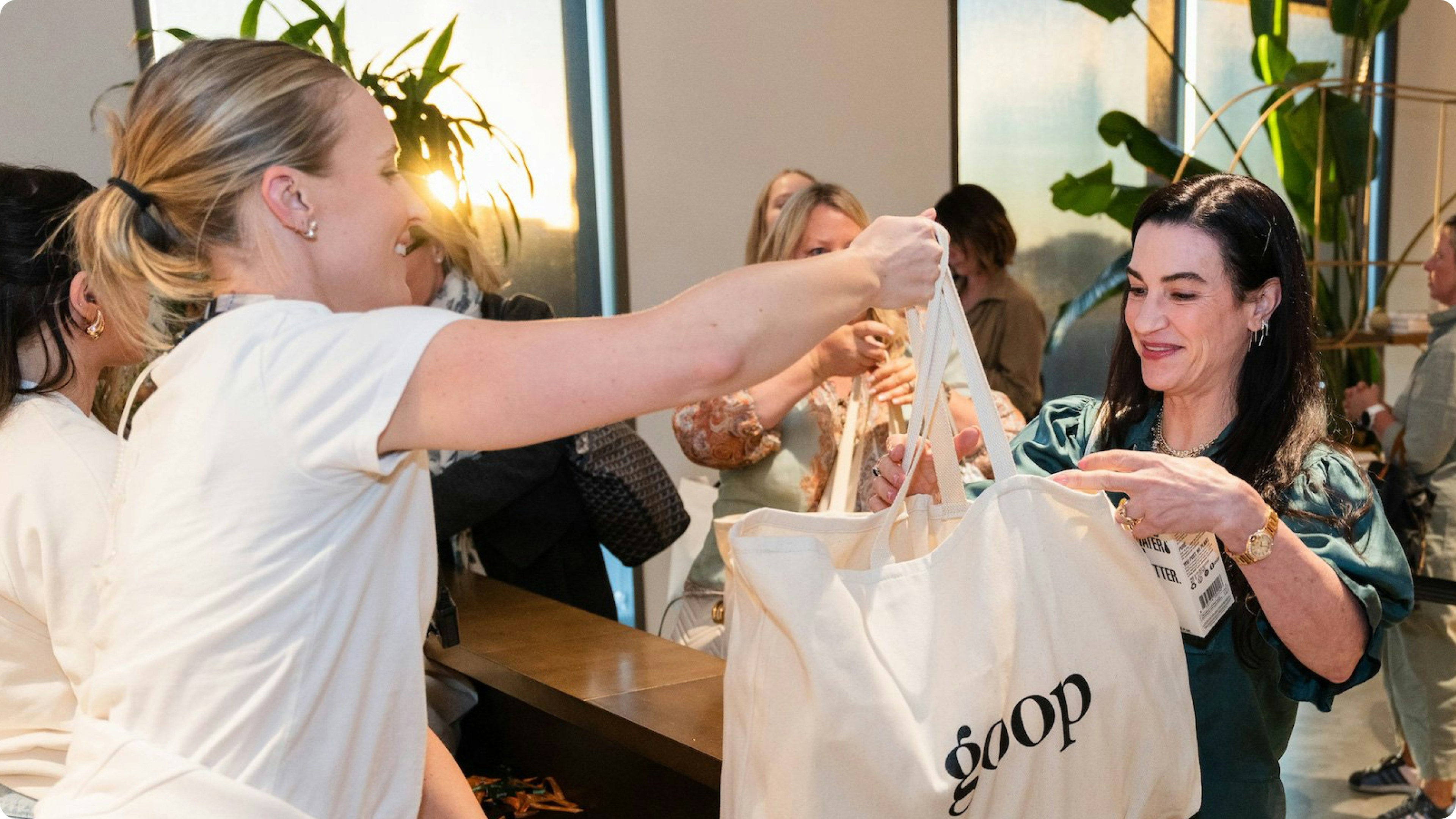
A common mistake with gift bags: they’re packed as a “must-have” for the event. Then half the items end up in a hotel room or a drawer at home. That’s not sustainable and it doesn’t feel thoughtful—it’s simply too random.
If you’re planning a sustainable goodie bag, one shift helps: don’t decide based on “What else fits in?”, but on “Will this still be used in 30 days?”. That’s what this article is built around: first the criteria, then 10 items that prove themselves in real life.
What makes a sustainable goodie bag work in practice
A goodie bag doesn’t become sustainable because one material sounds “green”. It becomes sustainable when people actually use the items. You get there with three levers: everyday usefulness, solid quality, and a set that feels coherent. The more an item replaces routine waste (single-use cups, flimsy notepads, cheap promo pens), the more sustainable the impact.
Also look at the supply chain: where is it made, how long will it last, and how is it customized? Especially for textiles and drinkware, the mix of material, workmanship, and branding decides whether something stays “swag”—or turns into a genuine favorite.
The goodie bag itself: which bag is the right base?
The bag is not just packaging—it’s the first product people judge. That’s why it’s worth choosing it deliberately. For a sustainable goodie bag, a sturdy, reusable tote is often the best base—especially if it’s neutral enough to be used long after the event. A good starting point is custom branded tote bags from the assortment as well as the guide on personalized jute bags for material and use-case decisions.
In practice: the stronger the branding, the more the design has to land. If your audience is more conservative (B2B conferences, client events), calm colors and smaller logos work better. If it’s about community moments (pop-ups, internal offsites), the bag can make more of a statement—as long as the quality feels premium.
Planning gift bags: quantity, season, and lead times
Many gift bags fail not because of the product, but because of timing. Decide early whether this is a summer or winter setup: headwear and drinkware are highly seasonal. In summer, cap + bottle works; in winter, beanie + insulated tumbler is the stronger combo. Season also affects customization: embroidery needs lead time, engraving too, while simple print is often faster.
Quantity changes the logic as well. For small batches, “less but better” is usually the more sustainable choice. For large batches, items that are efficient in logistics and pricing matter—without turning into throwaway merch. If you plan around that, your sustainable goodie bag becomes predictable instead of rushed.
Now it gets practical: we’ve collected 10 examples you can combine into a coherent set—plus clear guidance on when each item fits and what to watch for in materials, production, and branding.
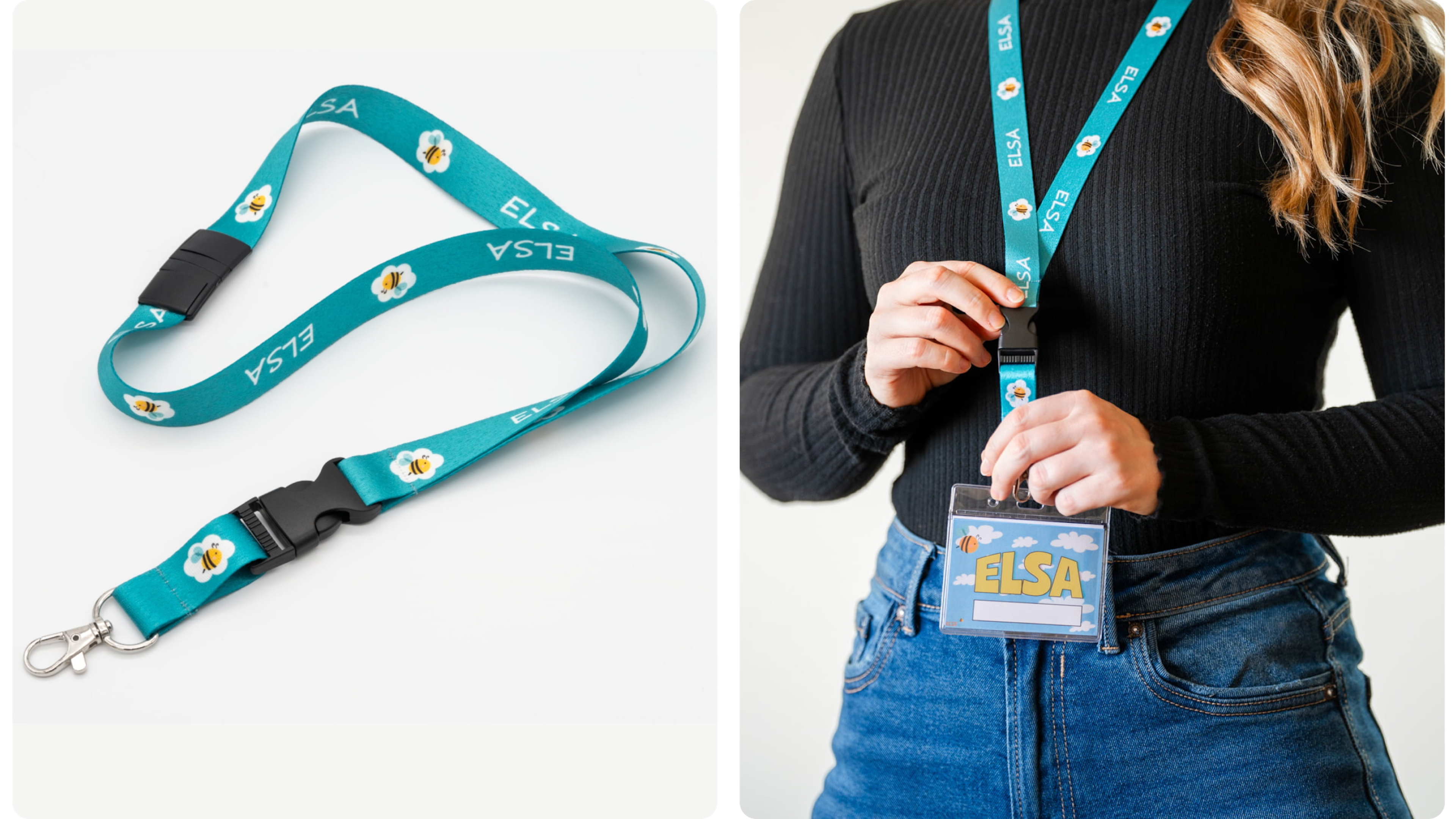
A lanyard makes sense when it’s truly needed on-site: badge access, entry, backstage, crew organization. The benefit: it often stays in use afterward because people reuse it for keys or ID cards. A custom Recycled Lanyard made from 100% recycled polyester is a strong choice because material and use case match—making it a more sustainable pick than standard event lanyards.
If you keep it subtle, it feels less like a “promo strap”: go for a calm all-over pattern or tone-on-tone branding. According to the product page, this lanyard is produced in Europe (Latvia)—a plus for teams that value a shorter supply chain.
ELSA
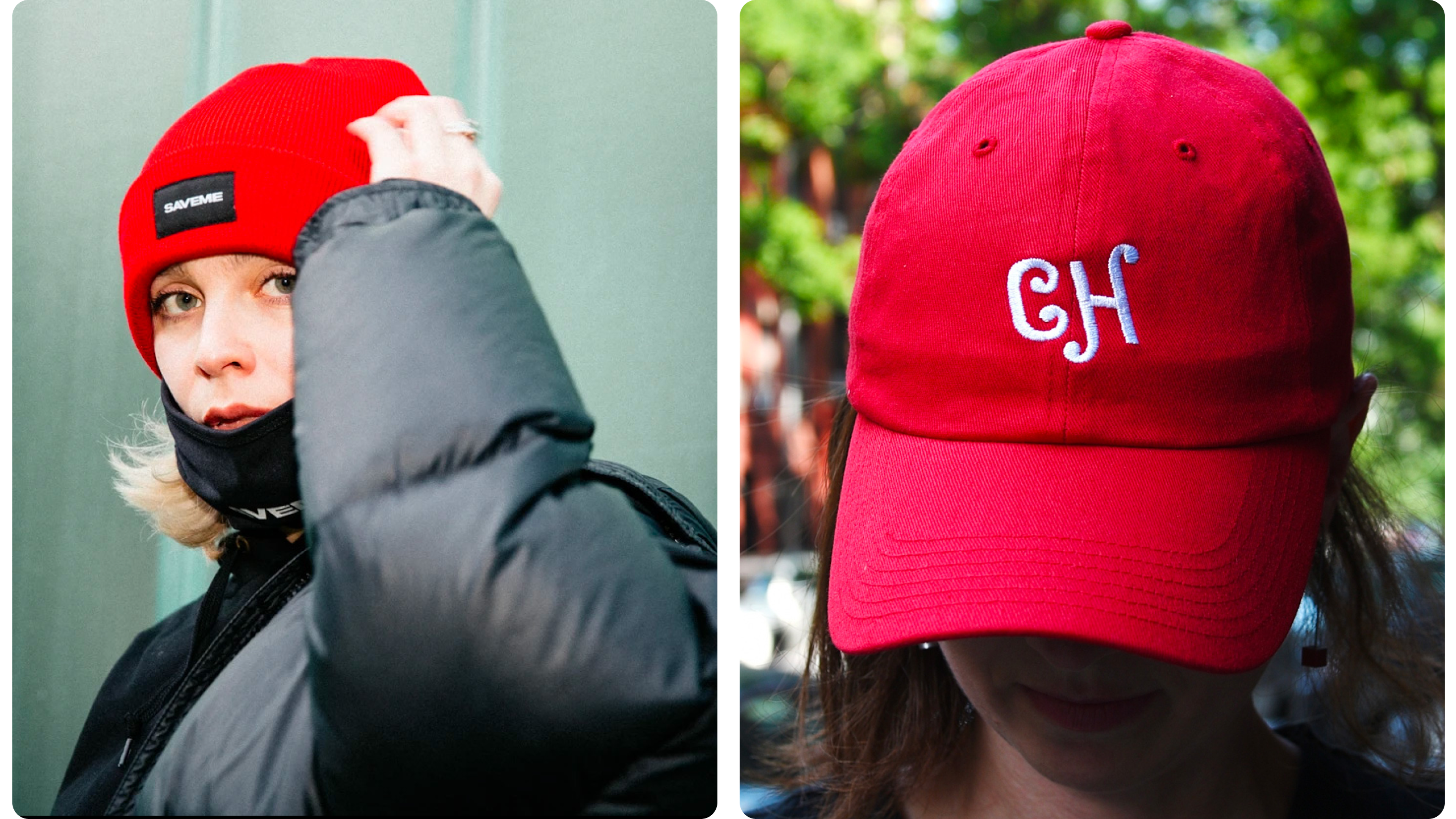
Headwear only works when it matches the season. That’s why a sustainable set starts with choosing the right piece from personalized headwear. For summer events, an embroidered Recycled Sports Cap can be a good option because it’s highly visible and photo-friendly. The material base is recycled nylon; production is listed as China, so sustainability here depends heavily on quality and wear frequency—choose a fit people actually want to keep wearing.
In winter, the Organic Cotton Beanie is the more practical option. Organic cotton (OCS) is a clear material signal, and the double-layer knit makes it more likely people actually wear it. Production is also listed as China—so again, the sustainable outcome comes from durability, comfort, and repeated use.
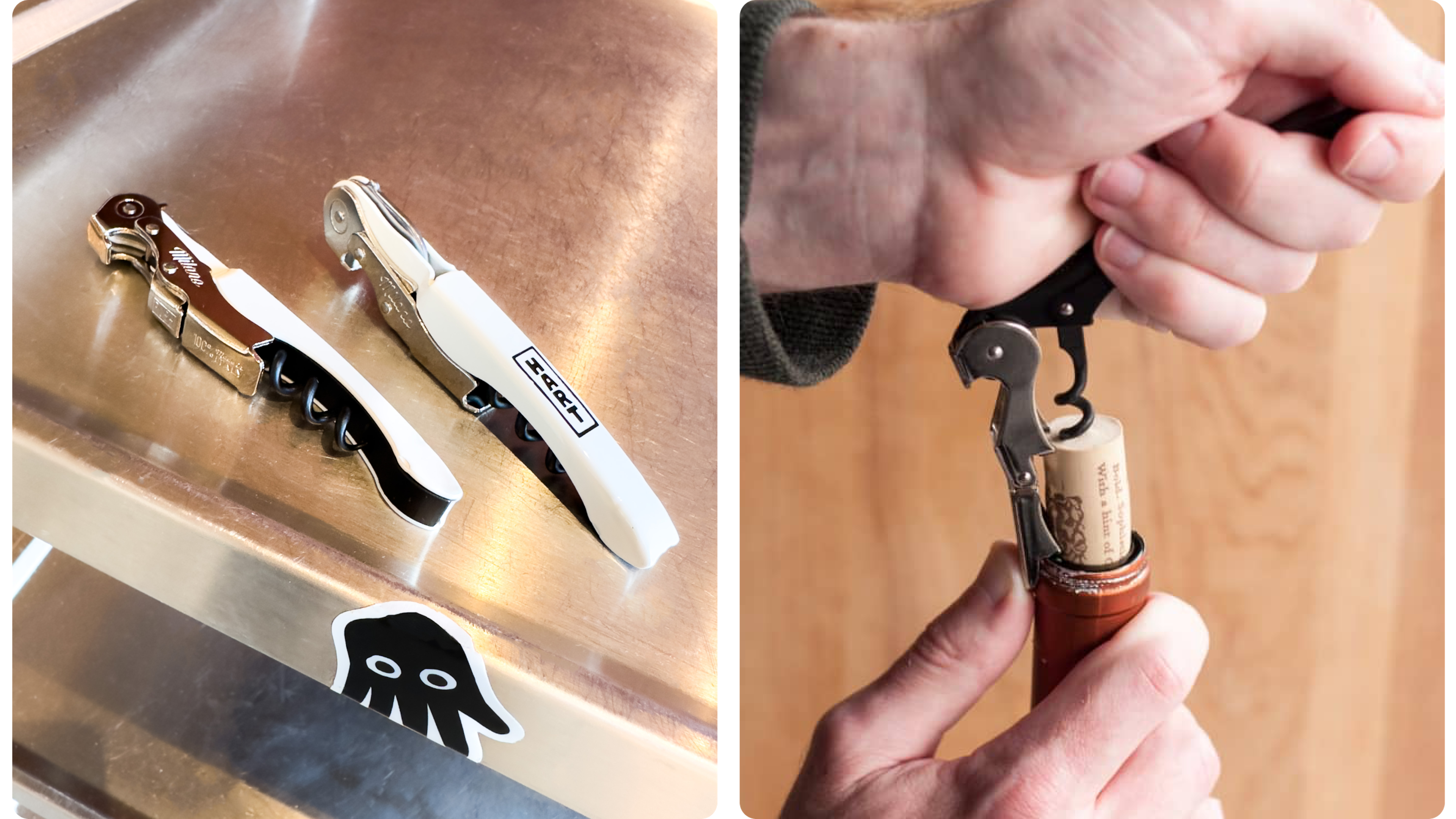
A engraved corkscrew is a good example of a “keep item”: not used daily, but it can stay in a household for years. It becomes sustainable when it’s high quality (metal instead of cheap alloy), ergonomic, and still works after a year. If you source externally, look for a solid mechanism, a replaceable spiral, and clear origin information.
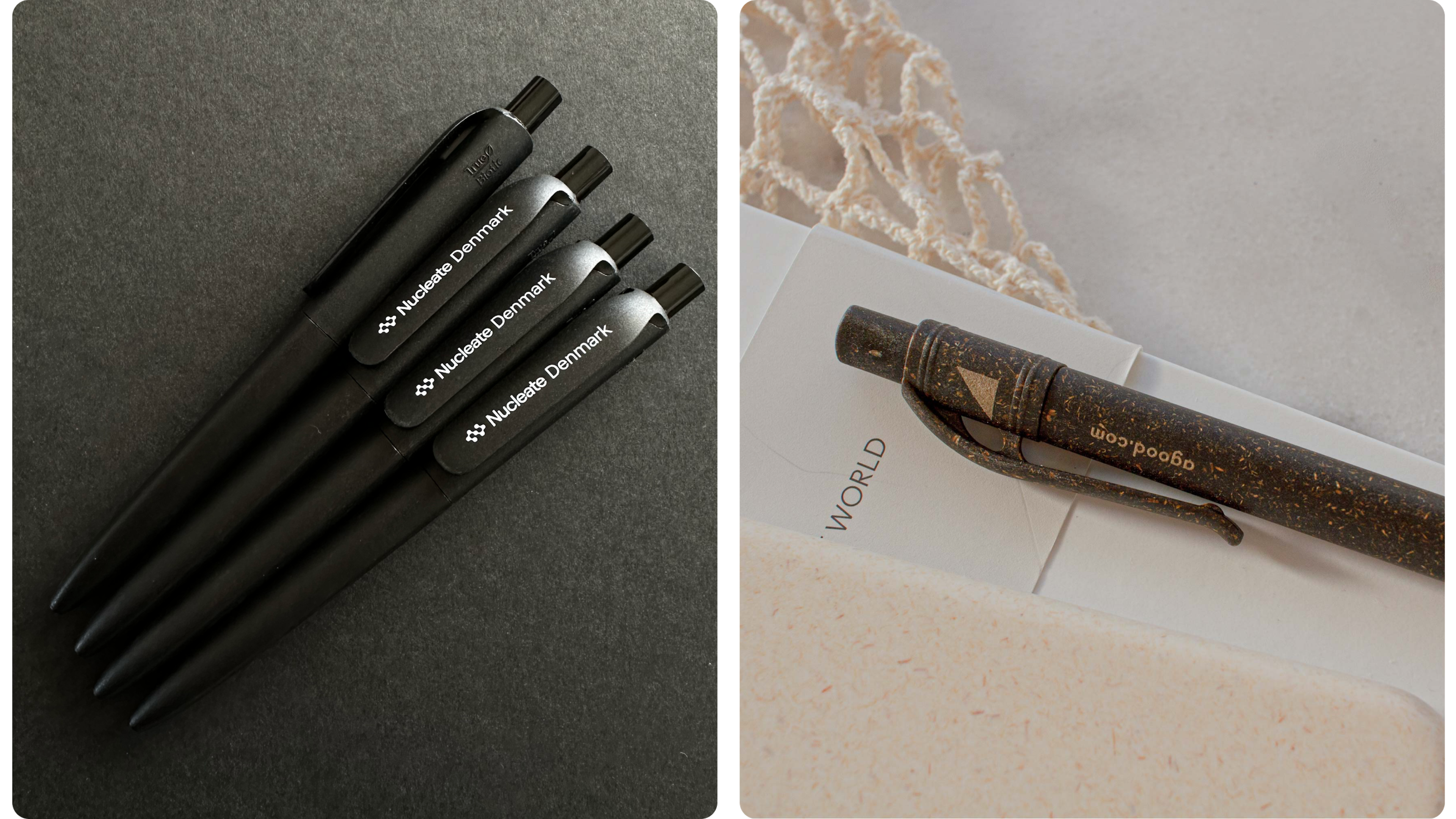
Pens are a classic—and that’s exactly why they can turn into “throwaway” items fast. If you include pens in a sustainable goodie bag, choose ones that are deliberately better than standard. A good route is branded pens from the matching category, because you’ll find models that are not only affordable but genuinely pleasant to use—so they don’t get replaced immediately.
The Grass Pen uses grass as a material base with a small share of BPA-free plastic. It’s a believable material alternative that still works day to day. The Prodir Frosted Pen is a premium option: high-quality look and feel, made from recycled plastic and produced in Switzerland. Here it’s worth placing branding cleanly (clip or barrel) and keeping it modest in size—more sustainable in perception and usage.
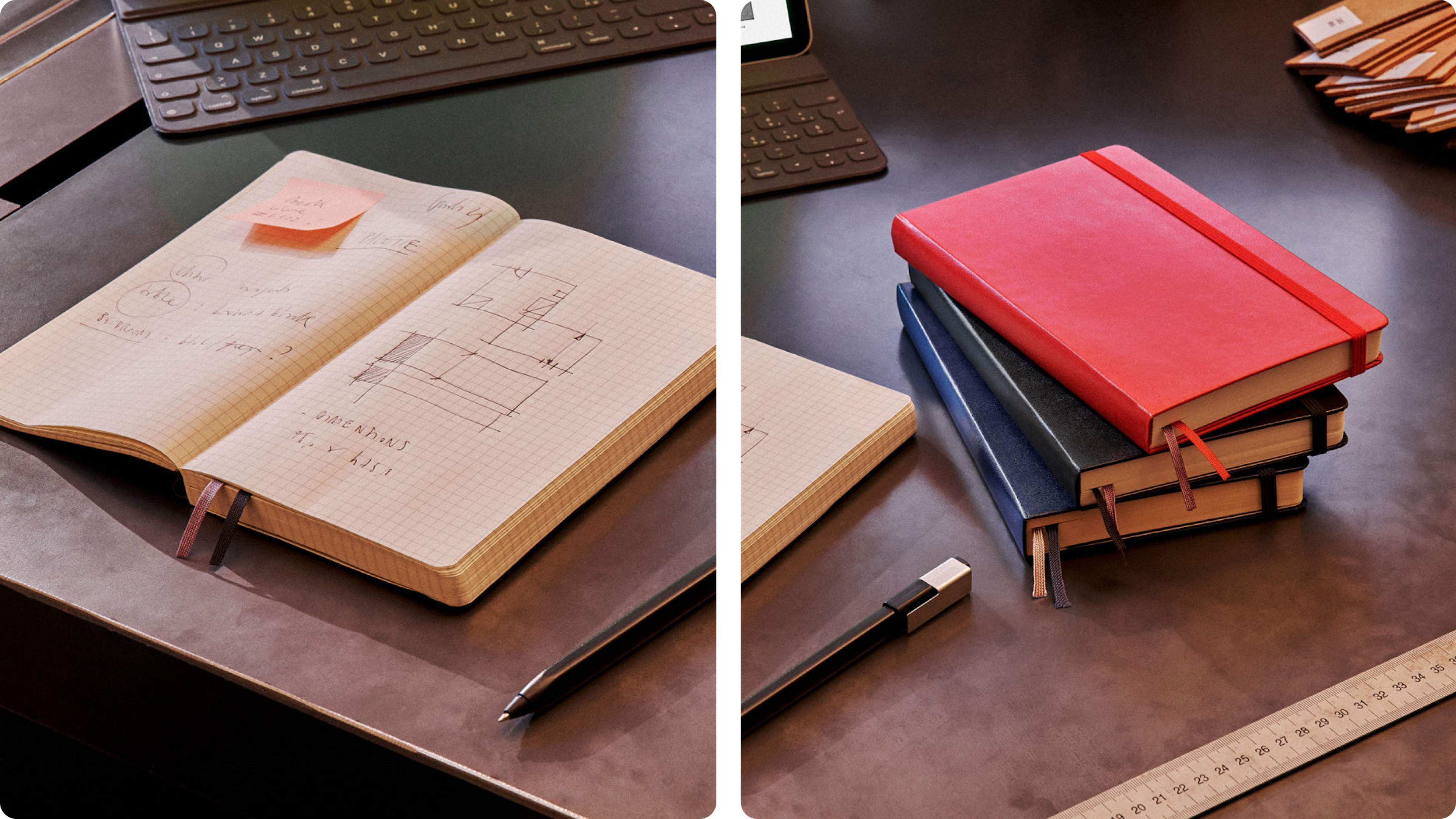
Branded notebooks get used when they feel good: quality paper, a sensible format, and a stable binding. The Karst Stone Paper Notebook is a special case: stone paper is tree-free, recyclable, and water-resistant—practical for travel, event notes, or onboarding, where notebooks end up in backpacks. The main advantage is the material logic (tree-free, water-resistant), and the sustainable win is long, regular use.
If you prioritize European production, the Hardcover Notebook is a strong option: FSC-certified paper, made in Europe in a family-run factory, with production in Poland. It’s often the “safe pick” for B2B because it feels premium and stays in long-term office use—making it a reliably sustainable choice.
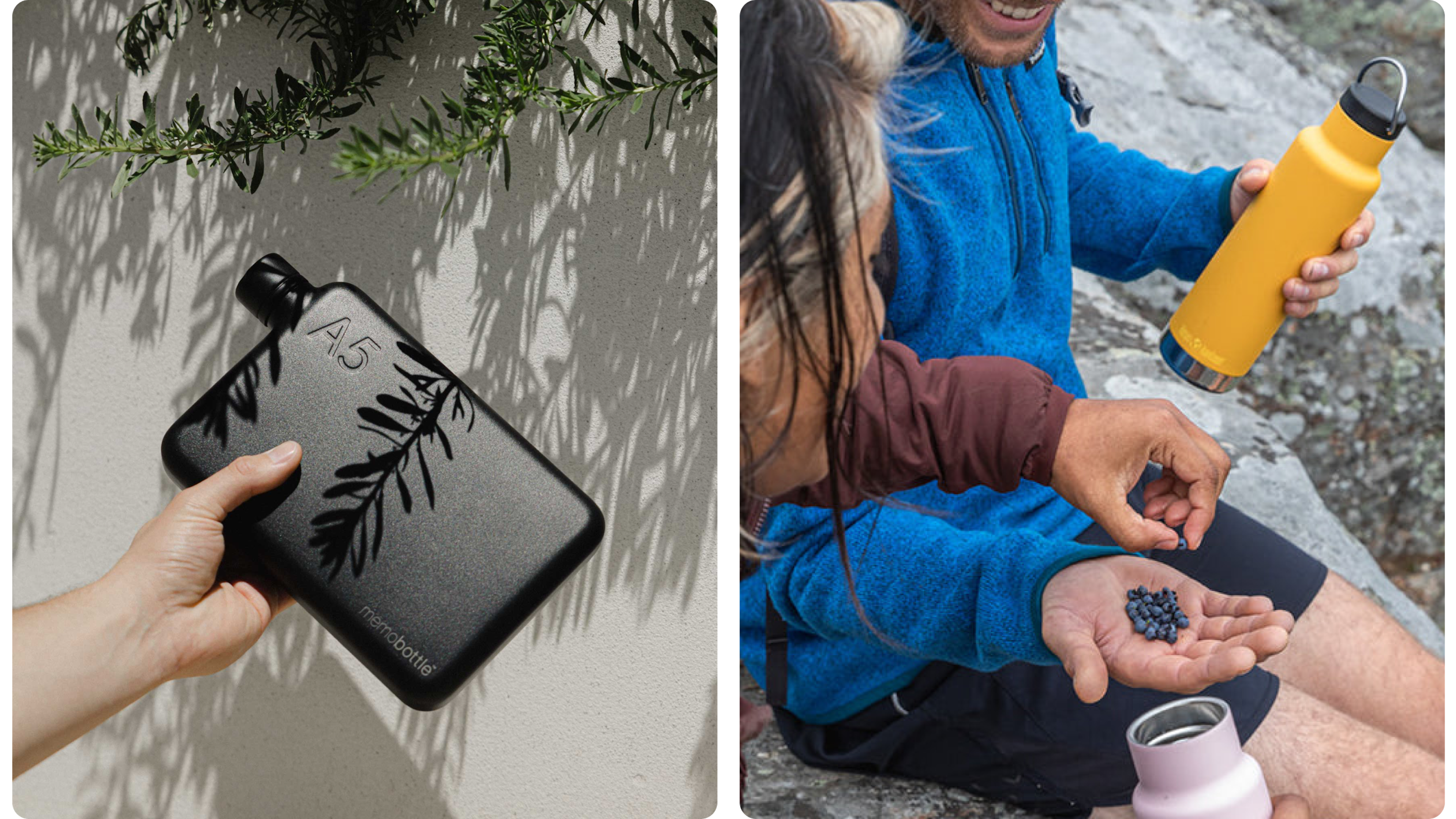
A personalized water bottle is sustainable if people actually carry it. That’s why you should match form factor to your audience’s routine: commuters, field teams, campus staff—yes. Pure conference attendees without a bag—less likely. The Klean Kanteen Insulated Bottle is a robust option because 90% recycled stainless steel plus insulation increases daily usefulness. The bottle is certified as a B Corp and Climate Neutral.
The Memobottle Stainless Steel plays a different strength: it’s flat, bag-friendly, and fits into tight laptop bags. That’s exactly what increases the chance it becomes “always-on”. The key, then, is to make the use case explicit (commuting, travel, bags) and keep branding subtle (laser engraving often looks more premium).
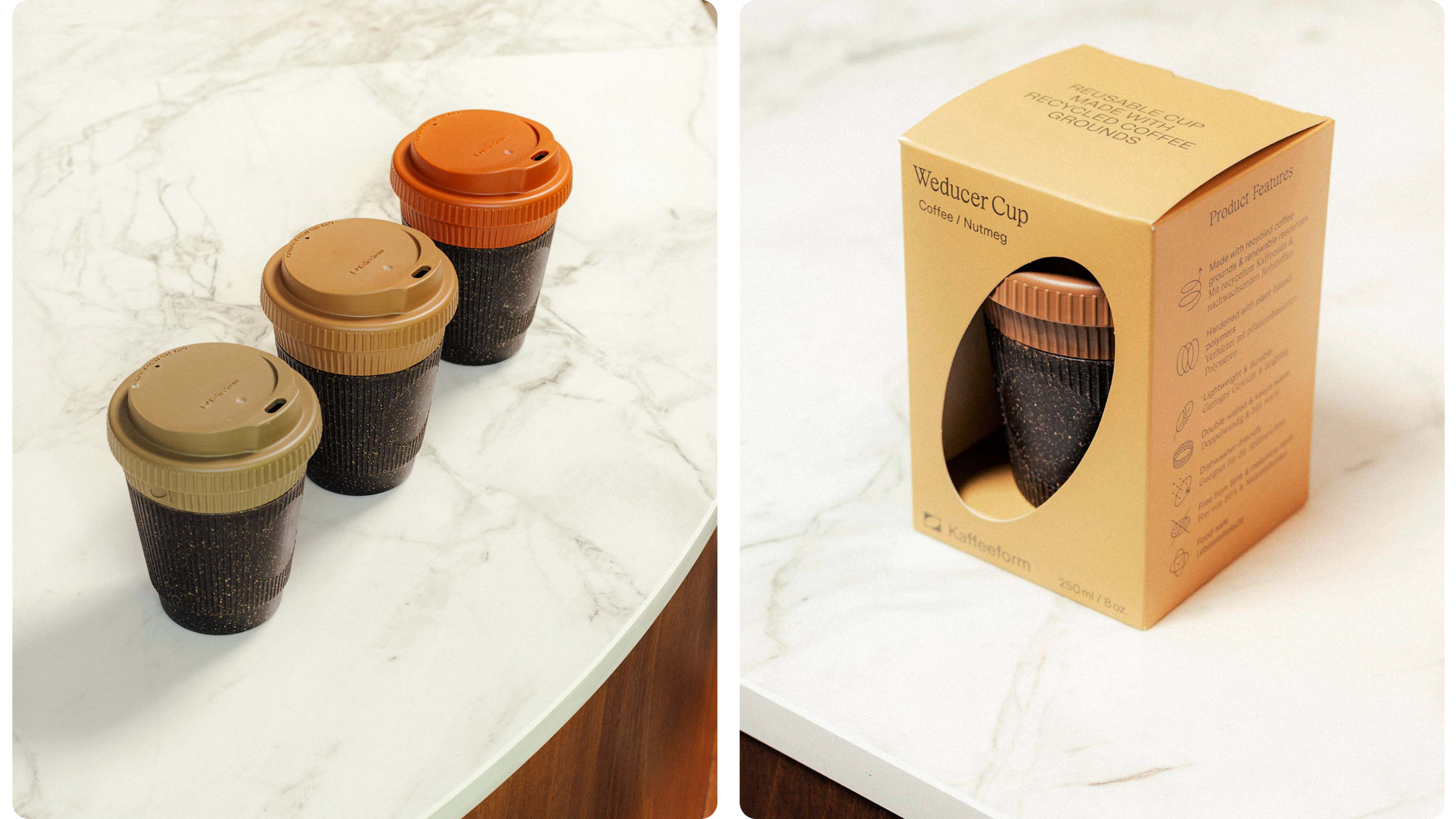
If you could pick just one item that reliably replaces single-use cups, it’s often an insulated tumbler. The basics have to be right: a good lid, comfortable grip, and easy cleaning.
The custom Kaffeform Tumbler is especially “story-friendly”: made in Germany from recycled coffee grounds, hardened with plant-based polymers, very light and durable. That works because the use is daily—and because the production location supports a clear supply-chain argument. A small front print often looks better than a large wrap-around logo, and it keeps the product more wearable and sustainable in the long run.
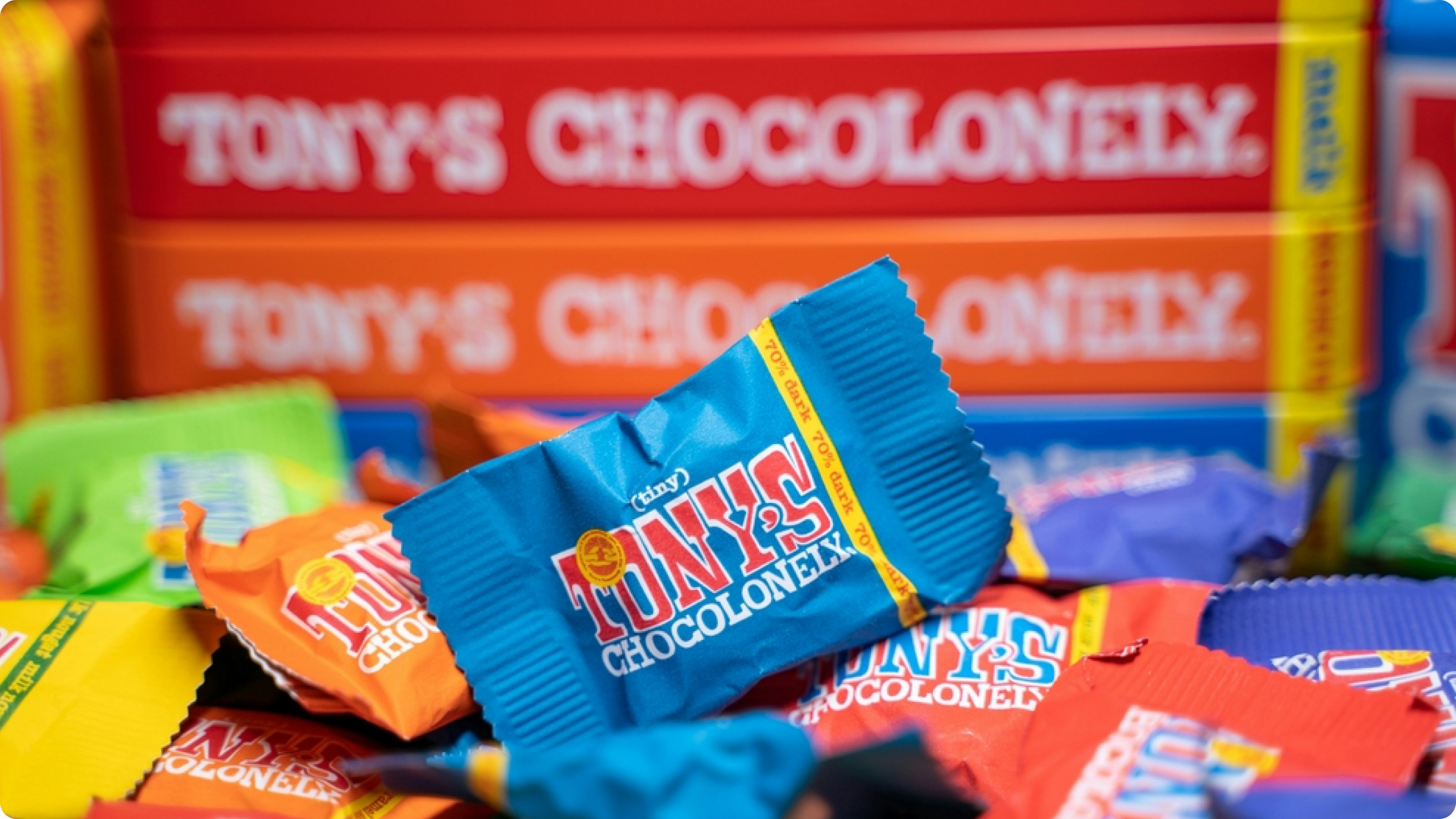
Sweets are a good example of “small but welcome”—and they help make a set feel more human. They can be sustainable if you choose consciously: clear standards in sourcing, a traceable supply chain, and a portion size that gets eaten (not the giant bar that ends up sitting around).
Plan pragmatically: allergens, shelf life, heat sensitivity (summer events), and shipping. Sweets should never be the main point of a sustainable goodie bag, but as an add-on they round out a set—especially when the rest is functional.
Hand cream works because it solves a real everyday need: dry hands, office climate, travel. It becomes sustainable mainly through usage rate and packaging logic: a size that fits any bag beats a large tube that stays in the bathroom.
Watch for fragrance (not too intense), sensitive options, and a clean design. Branding should be restrained, otherwise it feels like generic promo. If it looks giftable, the chance it gets used goes up—making it a surprisingly sustainable everyday item.

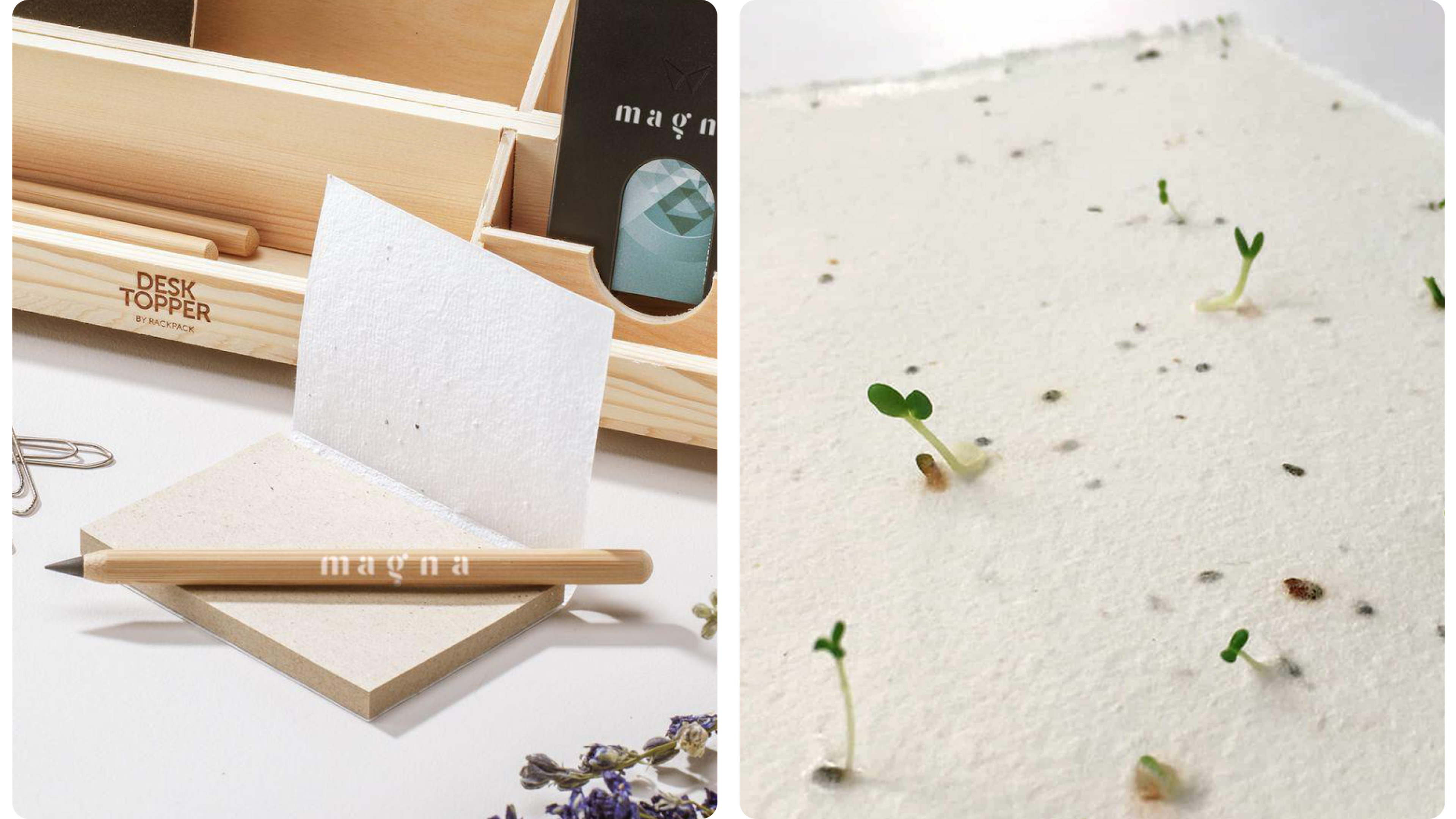
Plantable sticky notes sound sustainable, but they’re not automatically useful. The key is the use case: if your audience actually plants (community events, green-tech contexts), it can be a nice detail. If not, it often stays a gimmick. It’s only sustainable if germination, handling, and disposal are realistic—and the notes still work as notes.
If you source externally, check: how it’s planted, which seeds are included, how long it stays viable, and how the paper performs in office use. As a small add-on it can fit—but it shouldn’t be the backbone of your sustainable goodie bag.
Sustainable goodie bag ideas as a set
Sustainable goodie bag ideas work best when they follow a set logic. Three frameworks almost always work: an event set (visible + quick to use), an onboarding set (desk + daily routine), and a client set (premium + long-lasting). For events, lanyard, cap, and a small sweet add-on are a solid base. For onboarding, notebook, a quality pen, and an insulated tumbler usually perform better because they move straight into work life.
An underestimated lever is the order inside the bag. What’s on top gets seen first and is often used right away. Place the “hero” item (tumbler or bag) on top, and add-ons (sweets, seed-paper notes) underneath. That makes the set feel curated—and more sustainable.
Branding that doesn’t feel like advertising
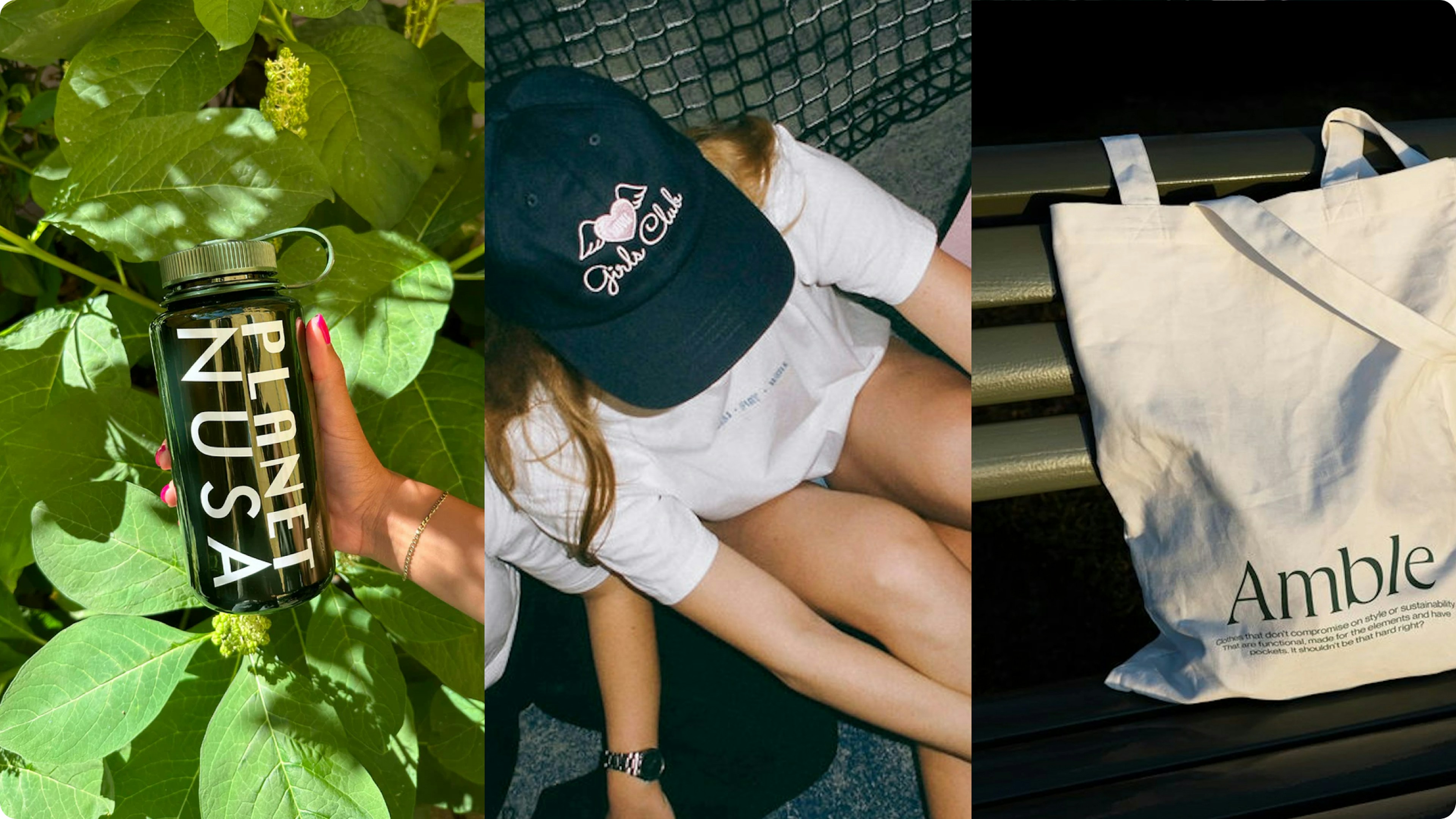
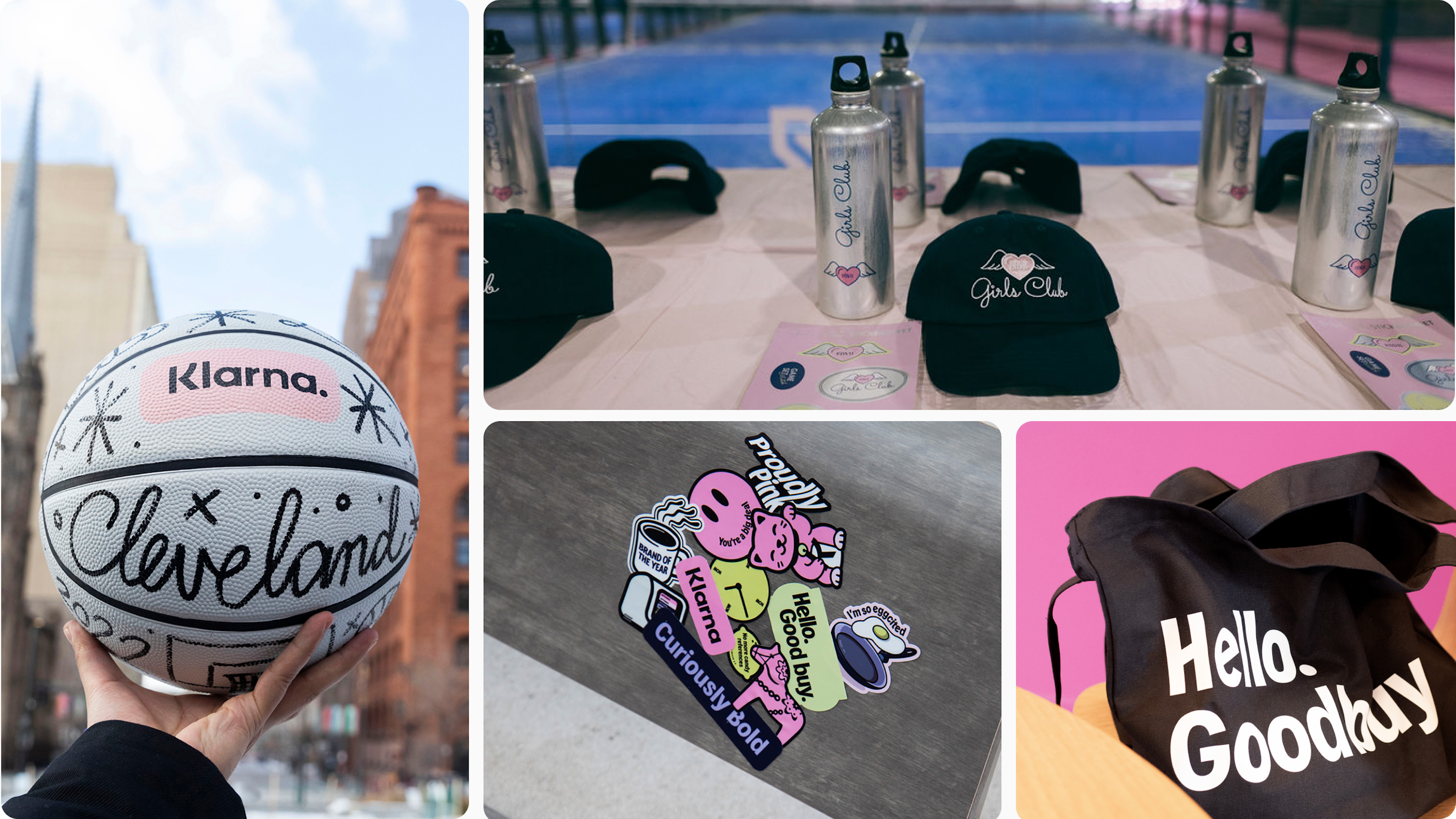
With sustainable gift bags, branding is less about “how big” and more about “how fitting”. Embroidery tends to look premium on caps and beanies, engraving looks clean on bottles, and a reduced print works well on bags and tumblers. If you’re unsure, choose one rule: one motif, one placement, one consistent size.
Avoid the “put everything on it” mindset. A sustainable goodie bag is not a stack of flyers. The more your branding reads like a design element, the more likely the items stay in everyday use—and that’s when the set actually delivers value.
Conclusion
A sustainable goodie bag isn’t a random bundle—it’s a curated set. If you prioritize the bag, the season, and real usage rates, 3–5 strong items plus one small add-on are often enough. The 10 examples above give you practical building blocks—with clear trade-offs in materials, production, and everyday usefulness.
If you want to turn these options into a set for your event, onboarding, or client visits, talk to us: via Contact us we can plan quantities, customization, and logistics around your use case. Optional: find more ideas under Inspiration.
FAQ
What should go into a sustainable goodie bag so it actually gets used?
Aim for 3–5 everyday items (bag, tumbler/bottle, pen, notebook) and max. 1–2 add-ons.
Which bag works best as a goodie bag?
A sturdy tote or jute bag works best when it’s neutral enough for everyday use.
How do I plan gift bags for 500+ attendees without a throwaway effect?
Reduce the number of items, choose durable basics, and keep branding subtle so it stays wearable.
Which goodie bag ideas work well for onboarding?
Notebook + a quality pen + an insulated tumbler is a proven set because it moves straight into work life.
How visible should branding be on a sustainable goodie bag?
Better once, clear and high-quality, than large on every item—cohesive design increases usage.
Related posts
We're here to support you all the way from design and production to delivery.