Eco merch: simple swaps that cut waste
Eco-friendly merch works when it’s used for years, not days. Here are 10 practical swaps—from drinkware to bags and notebooks—that cut throwaway items without losing brand consistency.

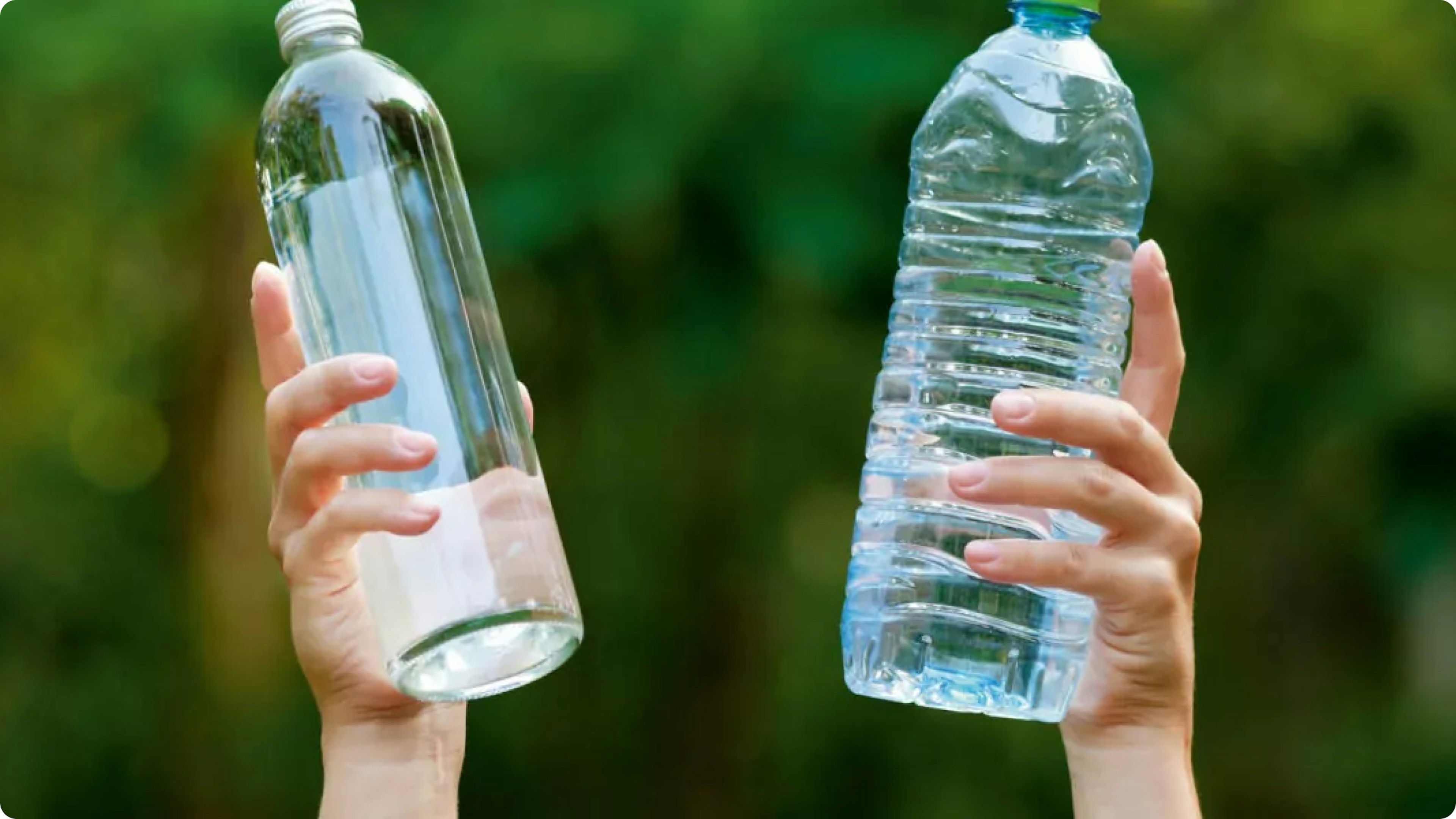
We’ve all been to an event where the “free stuff” looks fine for five minutes—then becomes something you carry awkwardly until you can toss it. That’s a problem for teams: it wastes budget, it creates unnecessary waste, and it quietly signals the merch was chosen to be cheap, not useful.
The fix is simpler than most people expect. Instead of trying to make every item “perfect,” build around things people already use in daily life, then choose versions that last. When merch stays in rotation, it does what it’s meant to do: support your team, represent your brand consistently, and avoid the forgotten pile at the back of a drawer.
What eco-friendly merch means in practice
Eco-friendly merch works best when you prioritize repeat use first (weekly habits beat occasional use), durability second (it should survive daily life, travel, washing, and drops), materials and production third (smarter choices that reduce replacements), and branding last (subtle branding is more likely to be kept and worn). A simple rule: if you can’t explain why the item will be used 50+ times, it’s probably not a strong choice for an eco-conscious merch program.
Eco merchandise vs sustainable merch
People often use eco merchandise to mean “made from better materials,” while sustainable merch usually implies the bigger picture: long lifespan, practical use, and fewer throw-away pieces overall. Both can be true—but your program gets stronger when you define the promise clearly.
Budget and scale
With eco merch, budget goes further when you buy fewer “maybe” items and more “daily default” items. If you’re ordering for 25 people, you can go heavier on premium materials or a hero product. If you’re ordering for 2,500, you’ll get more impact by standardizing a small set of durable items that ship well, brand cleanly, and don’t create leftovers nobody wants.
Swap plastic bags for custom tote bags
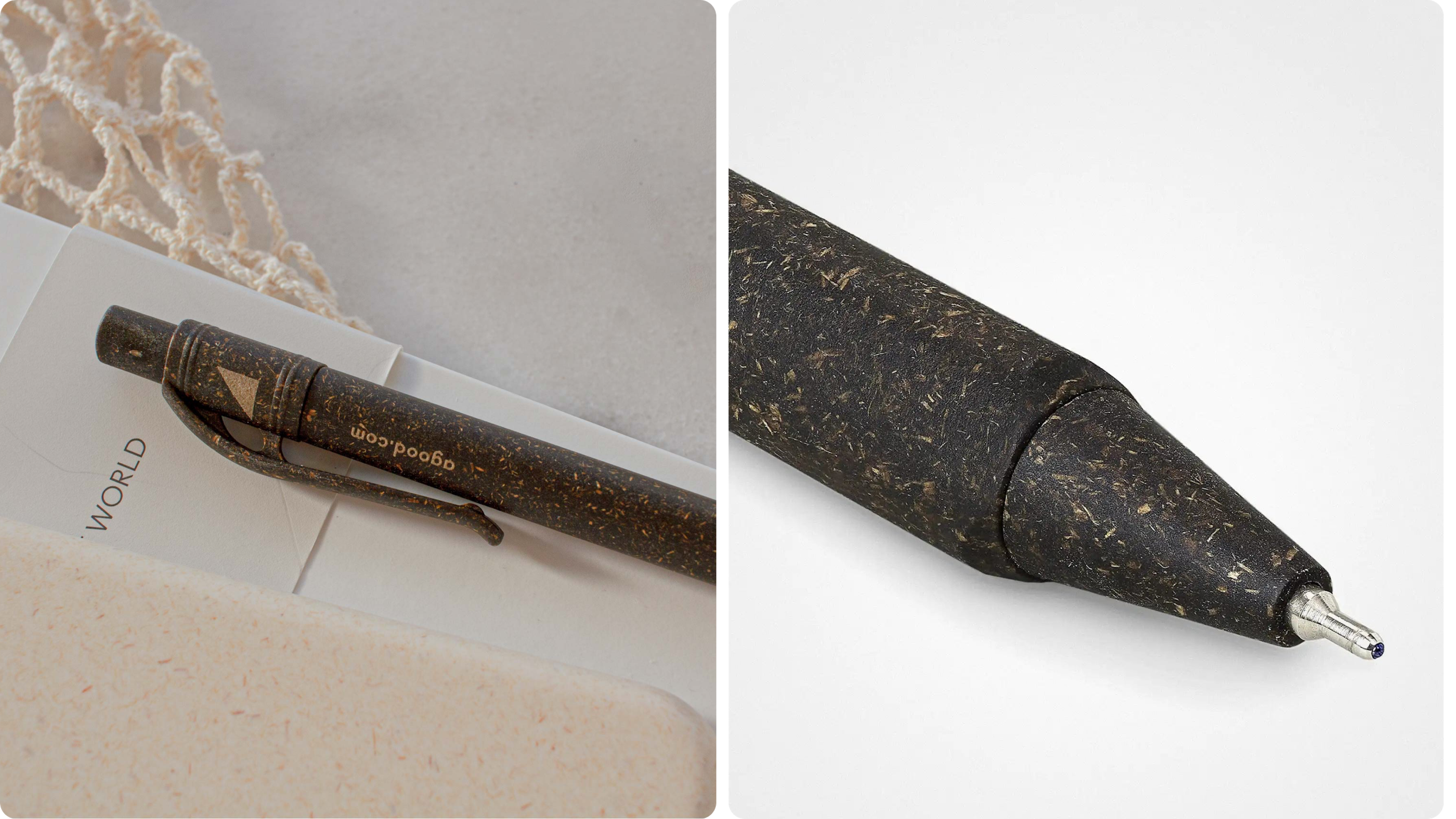
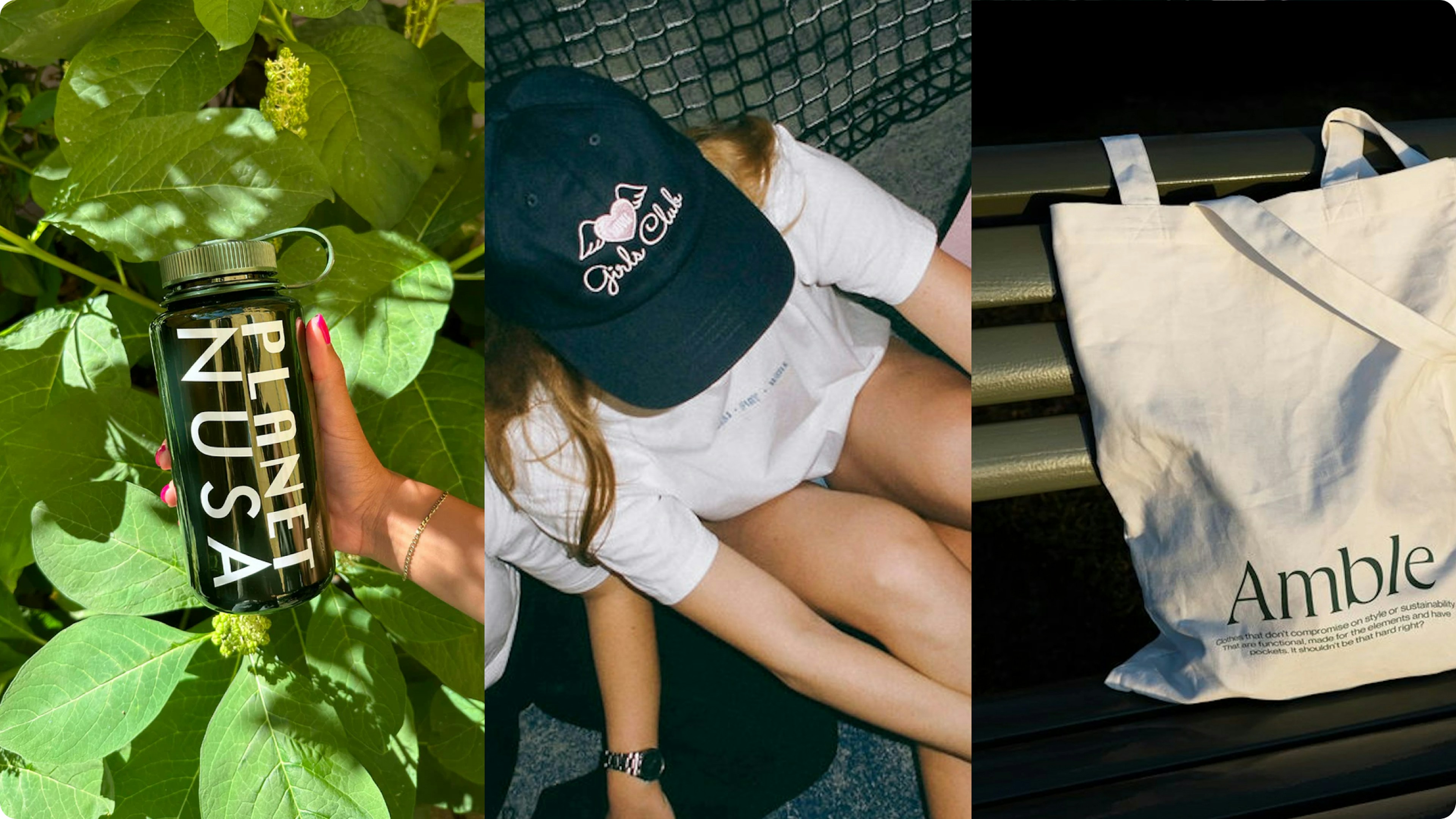
Plastic bags solve a 10-minute problem, then become trash. A better swap is a custom tote bag with logo that people reuse for groceries, commuting, or conference days. Totes also “carry” your brand longer because they stay visible in real life. Pick a sturdy fabric and comfortable handles so it earns repeat use—and if you’re deciding on materials, sizing, or print placement, this custom tote bag guide is a helpful reference.
Swap cheap pens for a custom Grass Pen people keep
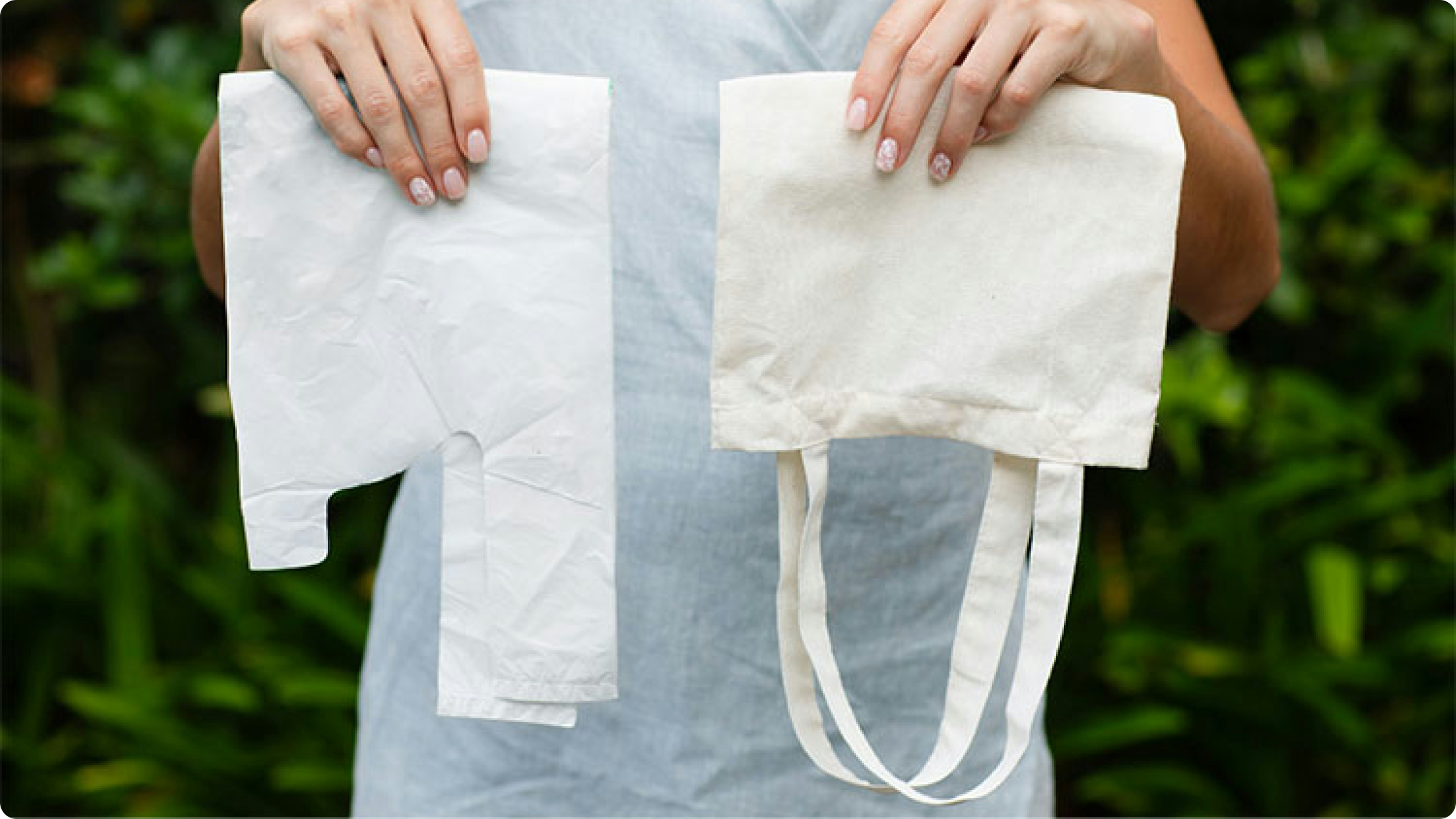
Most pens disappear fast because they feel disposable. A custom Grass Pen is a simple upgrade that signals intention without getting complicated. The key is the writing test: if it writes smoothly and feels solid in hand, it stays on desks instead of in bins. It’s a small item, but it avoids the “grab-and-lose” cycle.
Swap throw-away cups for tumblers
Single-use cups show up everywhere—offices, events, and travel days. Swapping to custom tumblers with logo cuts that stream of waste because people actually use them daily. Choose a leak-resistant lid and a size that fits cup holders and coffee machines. When the tumbler is convenient, it becomes the default, not an occasional extra.

Swap standard notebooks for a water-resistant one
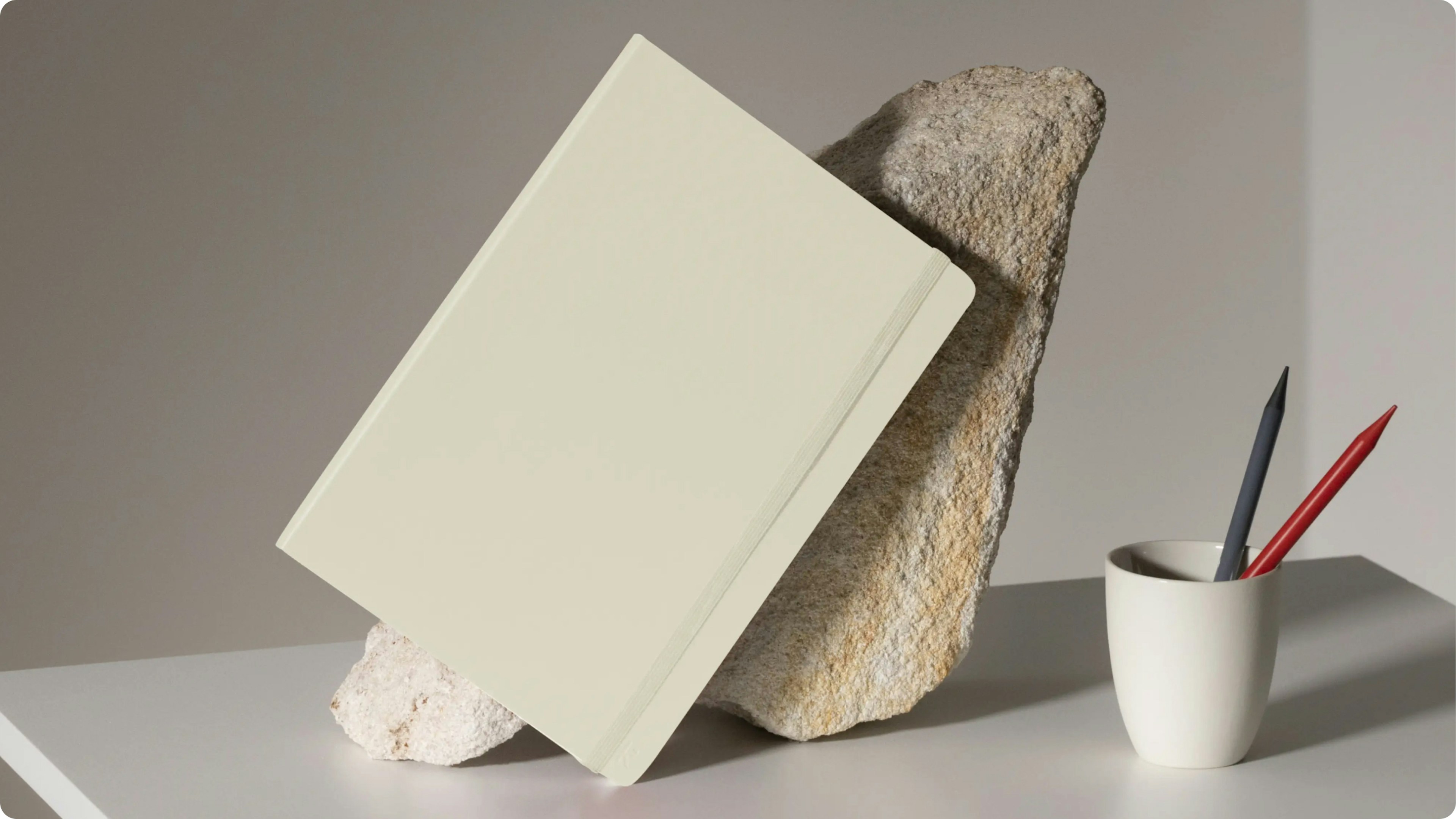
Notebooks get ruined by rain, spilled water, or a leaky bottle—and then they get replaced. A custom Karst Stone Paper Notebook is a smart swap because the pages handle real life better, so it lasts longer. It’s also a more “keep-worthy” desk item, which makes it a stronger choice than a thin giveaway pad.
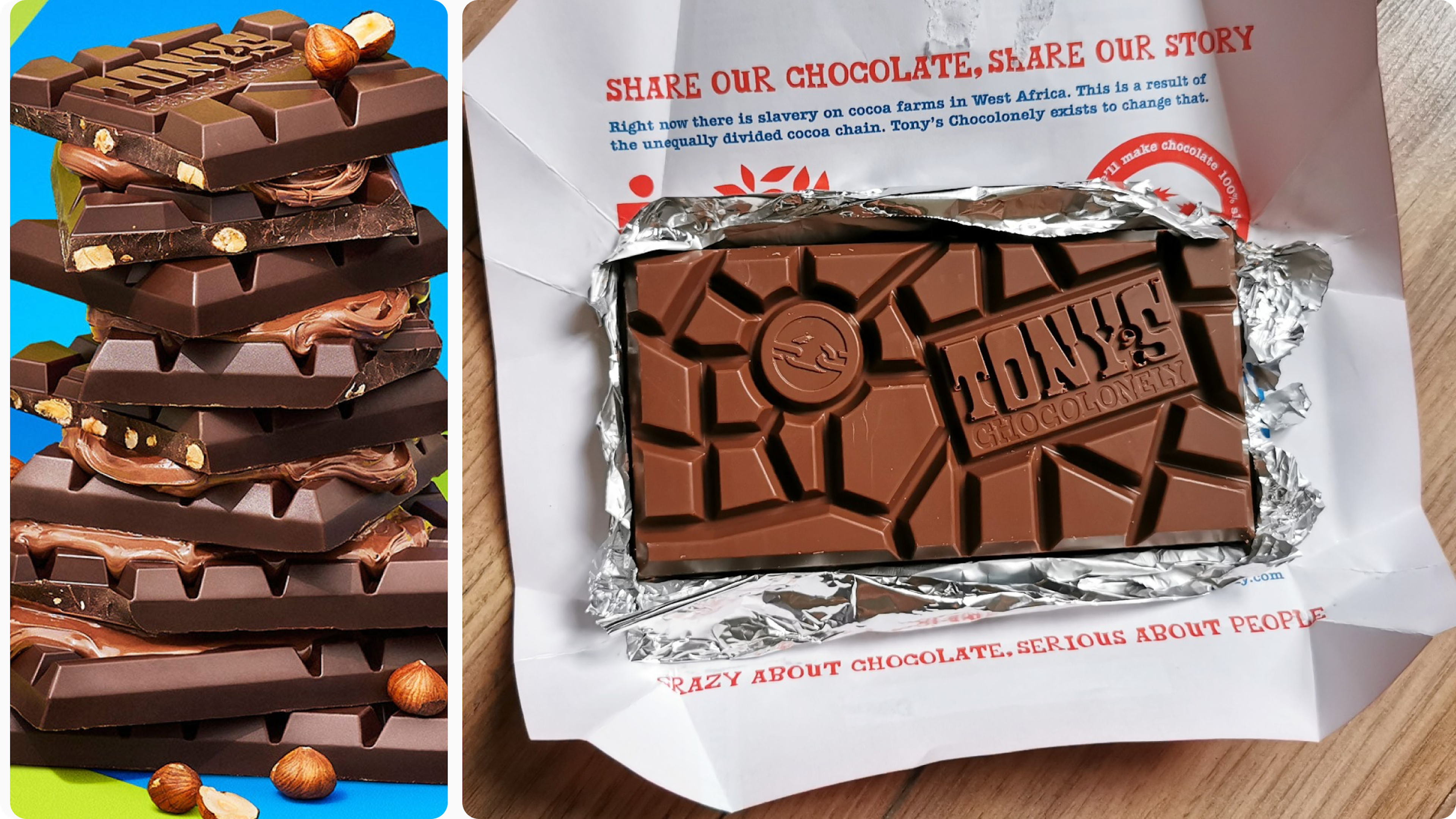
Swap mixed snack bags for vegan-friendly Tony’s Chocolonely
Food can be a good choice when it’s inclusive and doesn’t create leftovers. Vegan-friendly options like Tony’s Chocolonely work well because they fit more dietary needs and still feel like a treat. The practical win is fewer untouched items at the end of an event or onboarding. Keep it simple: one great snack beats five random minis.
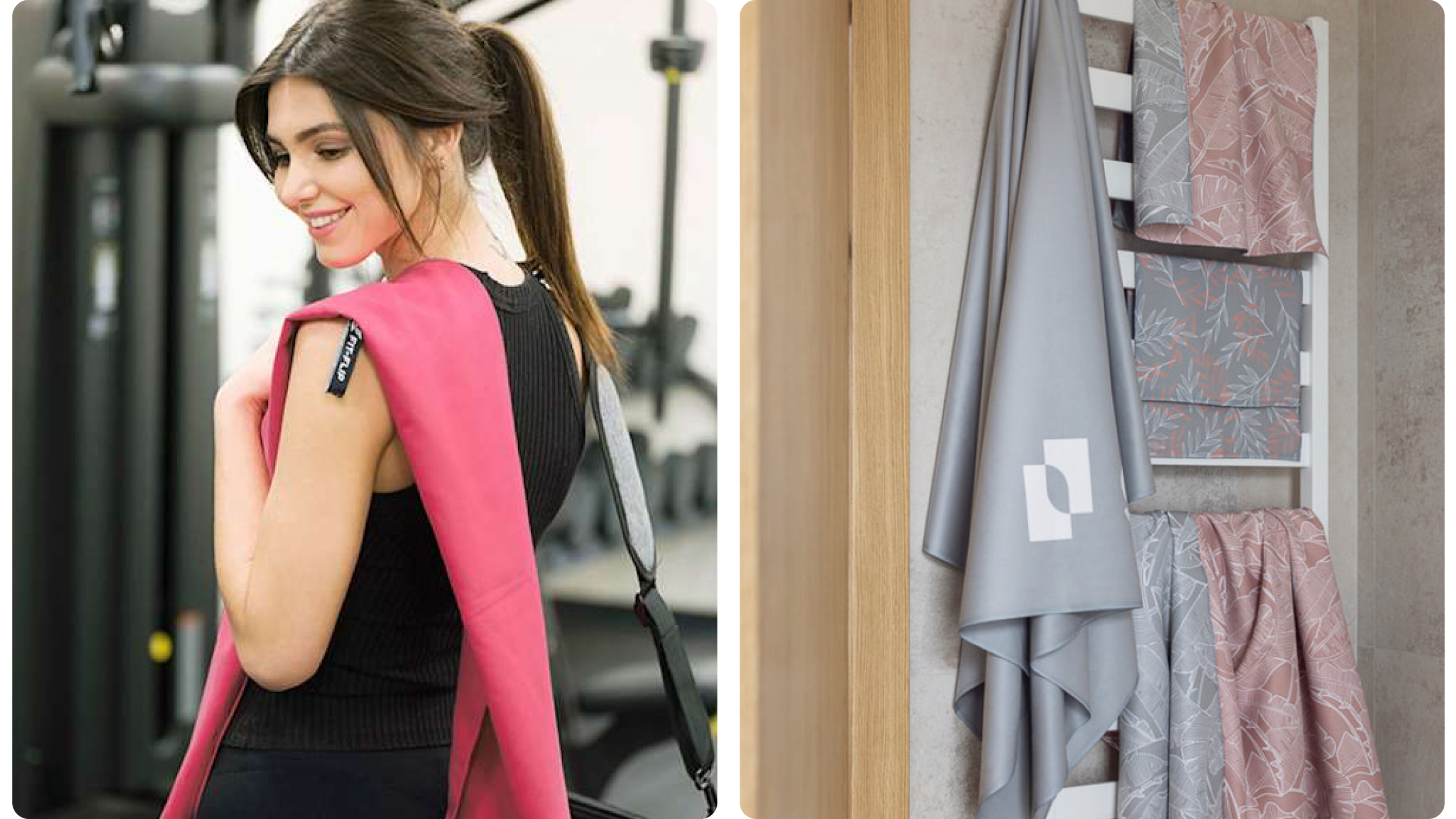
Microfiber towel
A microfiber towel is one of those items people don’t expect, but end up using constantly—gym bag, travel, outdoor days, sports, and in the car. The sustainability win is that it’s built for repeat use and holds up over time, so it doesn’t need frequent replacing like flimsy textiles. Choose one that’s soft, quick-drying, and a practical size so it earns a permanent spot in someone’s routine.
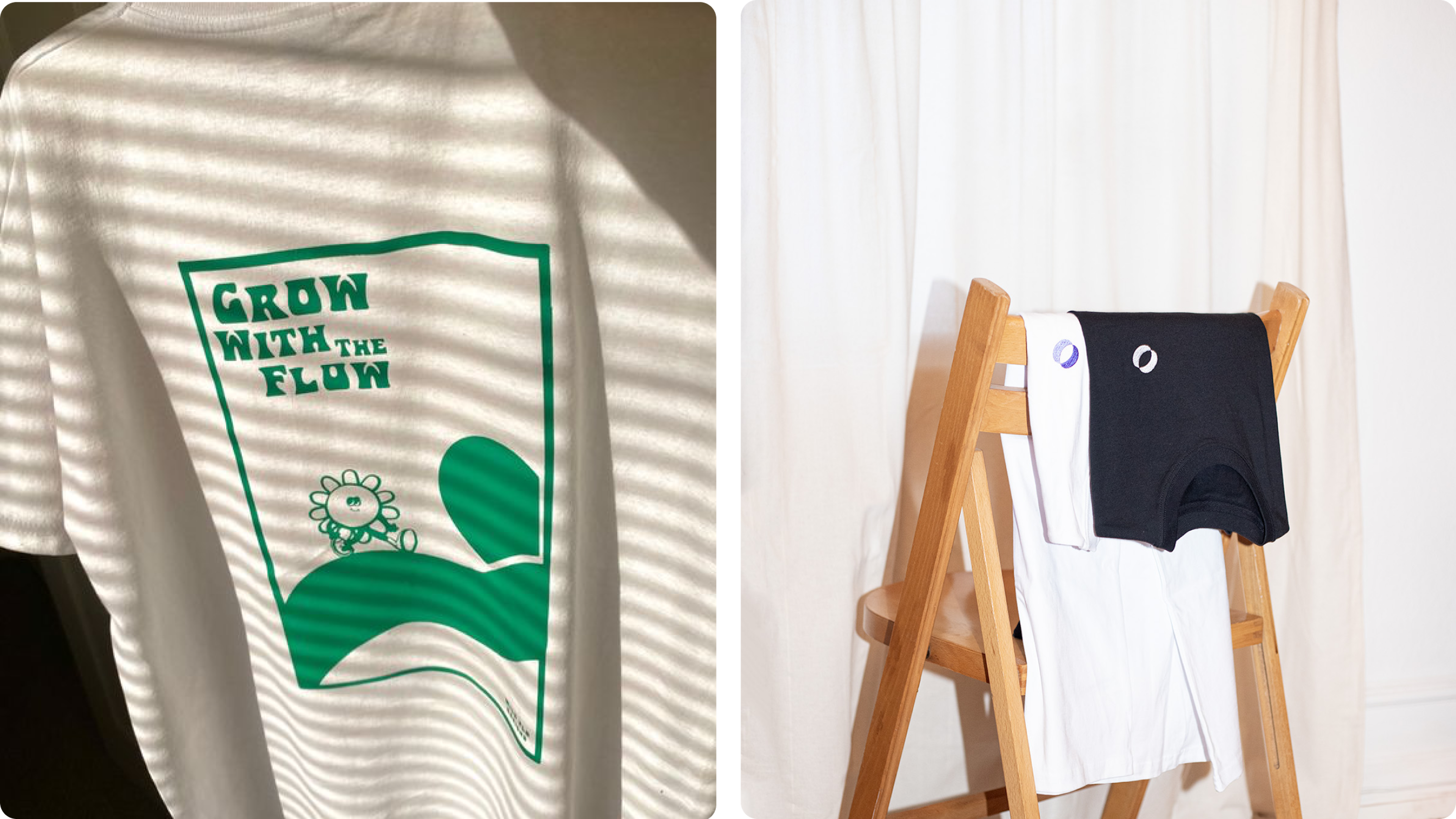
Swap fast-fashion tees for clothing that lasts and gets worn
If apparel doesn’t fit well or feels flimsy, it becomes instant clutter. When you choose custom clothing with logo that’s made to be worn repeatedly, you reduce waste and increase brand visibility naturally. Prioritize comfort, reliable sizing, and a style people would wear outside work. The most sustainable shirt is the one that becomes someone’s go-to.
Swap disposables for reusable water bottles
Disposable bottles solve a short moment of convenience, then get left behind. A better choice is custom water bottles with logo that people bring to the office, the gym, and travel days. Water bottles stick around because they fit an existing habit—staying hydrated—so your branding gets repeated exposure without feeling loud. Choose a durable, leak-proof design that’s easy to clean, so it becomes someone’s daily default—and if you’re comparing sizes, materials, and lid styles, this personalised water bottles buyer’s guide can help.
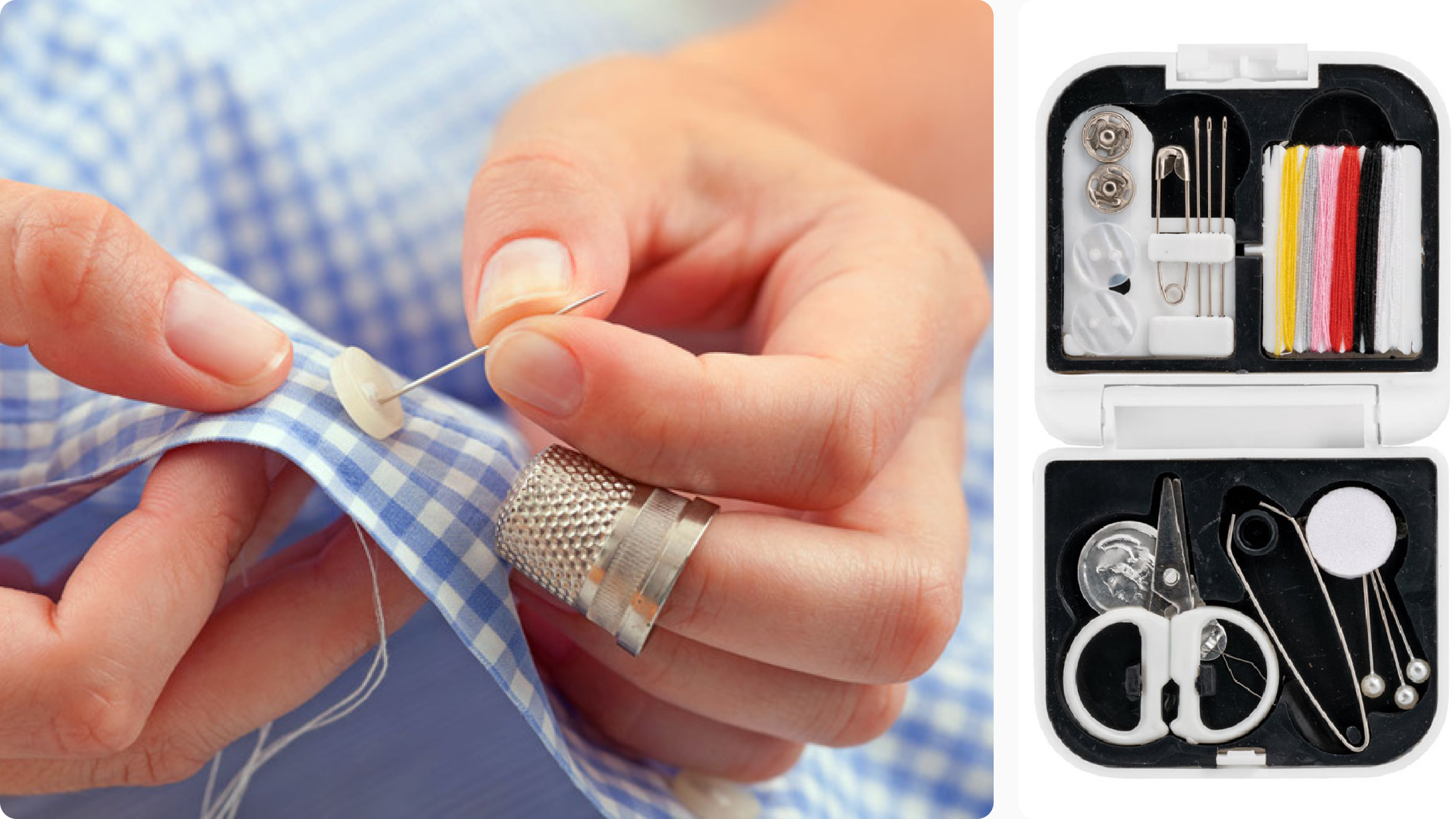
Add a mini sewing kit so items last longer
Repair is underrated in merch. A mini sewing kit supports the idea that products are worth keeping, not replacing. It’s also a practical add-on that doesn’t feel preachy: people use it for a loose button, a small tear, or quick fixes while traveling. It’s small, but it reinforces a “keep it going” mindset across the whole kit.
Choose beeswax candles instead of novelty throw-aways
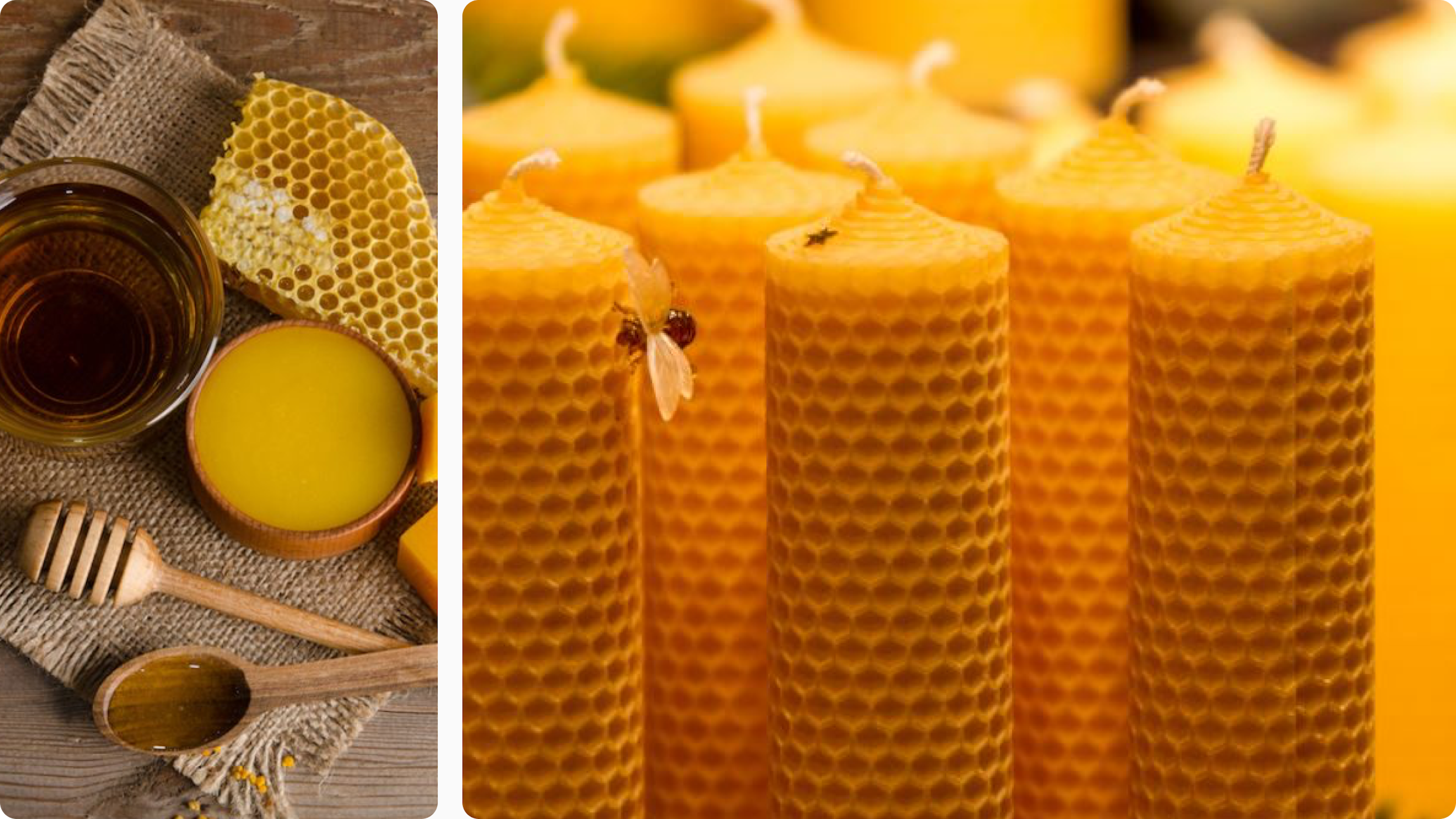
If you want a non-apparel item that still feels warm and giftable, beeswax candles can work because they’re used up intentionally instead of tossed immediately. The key is to avoid novelty shapes or loud branding—keep it simple and tasteful so it fits homes. This is one of the few “consumables” that can still feel aligned with longer-term use.
Branding and production choices that keep items in rotation
If you want items to last, make them easy to keep. Avoid date-stamping (it makes products feel expired), choose subtle placements, and keep colors timeless. Also think about reorders: if a product works, you’ll likely want it again next quarter. Standardizing sizes, logo placement, and packaging prevents waste created by last-minute substitutions and inconsistent quality.
A simple way to choose eco-friendly merch fast
Ask four questions: Will people use it weekly? Does it survive daily life? Can it be re-used or repaired instead of replaced? And does the branding feel wearable or displayable without effort? If you can confidently answer yes, you’re likely choosing sustainable merch that reduces waste in a practical way—without forcing your program into complicated rules.
Conclusion
Eco-friendly merch isn’t about being perfect—it’s about choosing fewer, better items that people actually keep using. Start with the swaps that cut the most single-use habits (bags, cups, and low-quality basics), then invest in one standout “hero” piece when your budget allows.
Feel free to contact us if you’d like support putting together a set that fits your budget, brand, and audience.
FAQ
What is eco-friendly merch, really?
Eco-friendly merch is merchandise designed to stay in use—durable, practical, and chosen to reduce replacements and throw-away habits over time.
How do I avoid greenwashing with eco merch?
Define what you mean by eco merch upfront (better materials, reuse, repair—or all three), then choose items you can explain in one clear sentence without vague claims.
How many items should I include in a sustainable merch kit?
Usually 3–5 items is enough. A smaller kit with a high keep-rate is more sustainable than a bigger kit filled with low-use extras.
What’s the easiest eco merch swap for offices?
Replace disposable cups with a reusable tumbler people will carry daily, then pair it with one other daily-use item like a notebook or tote.
Should I choose one premium item or many smaller ones?
If the premium item will be used weekly, choose the one premium item. It often creates less waste than multiple low-use items that get tossed or forgotten.
Related posts
We're here to support you all the way from design and production to delivery.