The No-Regret Guide to Custom Tote Bags
A practical guide to choosing a custom tote bag that fits your brand, budget, and use case—from events to everyday work.

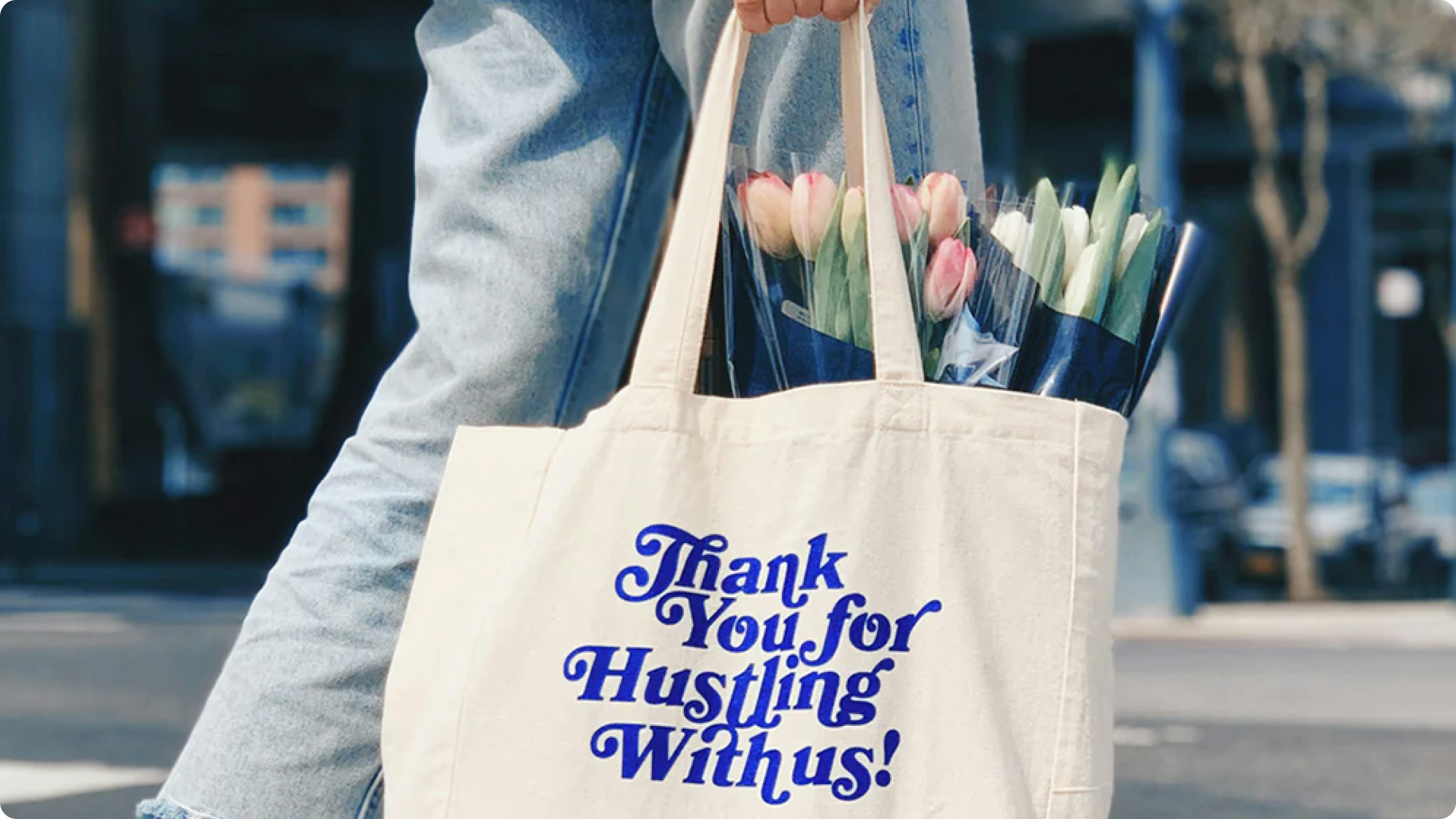
Choosing a custom tote bag sounds simple—until you actually have to decide. Thickness, handles, size, branding, budget, and what people will realistically use all come into play fast.
Most teams aren’t asking “Which tote looks nicest?” The real decision is: which bag will people keep, use, and associate positively with our brand—without overthinking logistics or blowing the budget?
This guide is written for that decision moment. By the end, you’ll know how to choose a custom tote bag that fits your context, your audience, and your scale—whether you’re ordering 50 or 5,000.
Why personalized tote bags keep working
Tote bags work because they sit right between practical and visible. They’re easy to distribute, easy to brand, and easy to reuse. But the ones that last all have one thing in common: they match how the recipient actually moves through their day.
A thin giveaway tote at a conference can make sense. The same bag sent to a remote employee as a welcome gift often doesn’t. On the other hand, a heavy canvas tote feels premium—but can be overkill for a one-day event.
Before you choose, it helps to anchor on context. At Sugarcoat, we often see teams start with the product and work backward. The better approach is to start with use, then select the bag.
You can see the full range of options in our custom tote bags collection, but the sections below will help you narrow down what actually fits.
Lightweight totes for events and trade shows
Event totes have a different job. They need to be easy to carry, quick to distribute, and affordable at scale. Durability matters less than comfort and weight.
The Custom Light Tote Bag is designed exactly for this. It’s ideal for conferences, pop-ups, and product launches where the tote is part of the experience—not the takeaway itself.
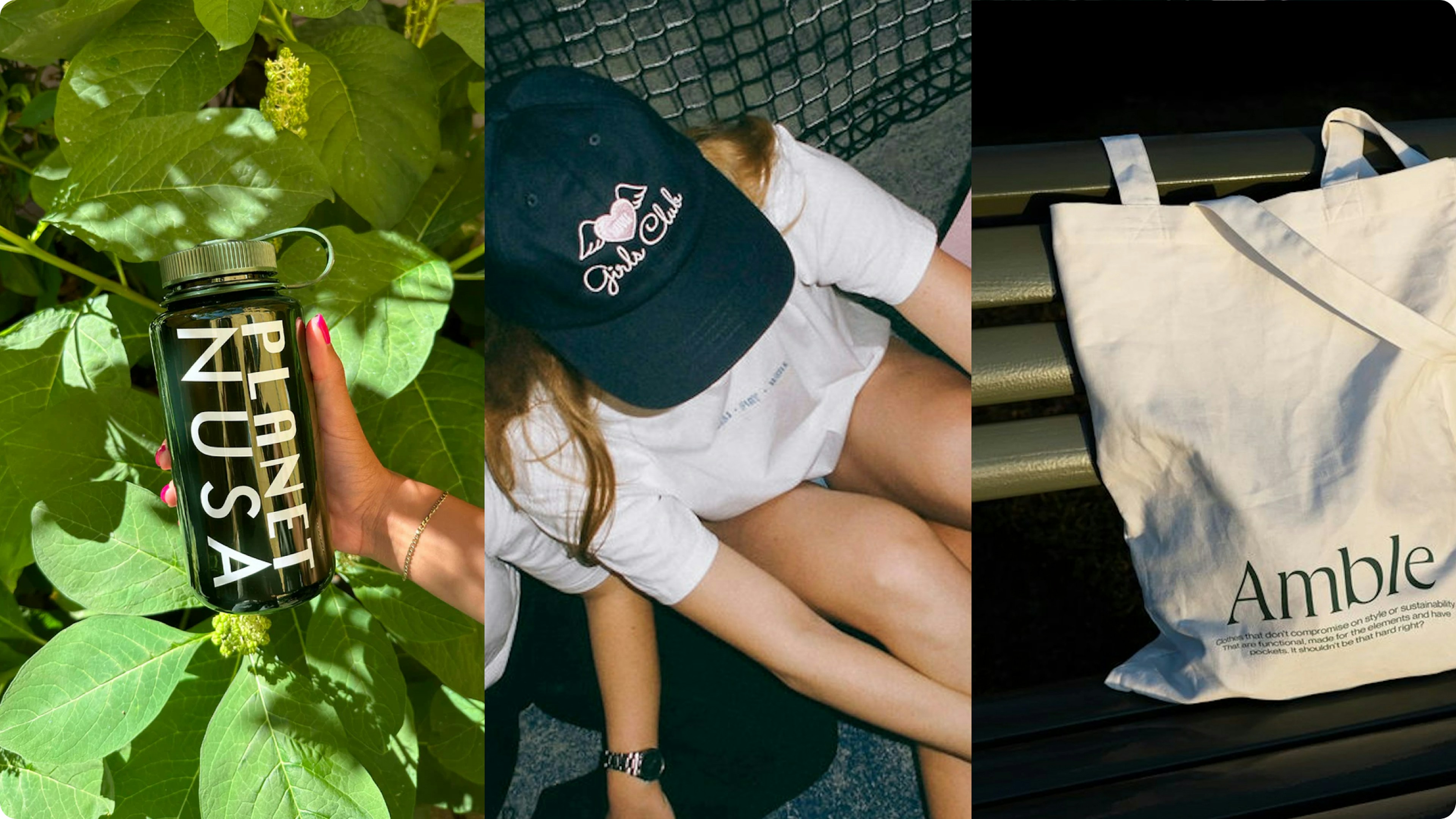
This is also where a tote bag with logo can be slightly more visible. People expect branding at events, and a clear mark helps with recall during the day. Just avoid oversized prints that make the bag unusable afterward.
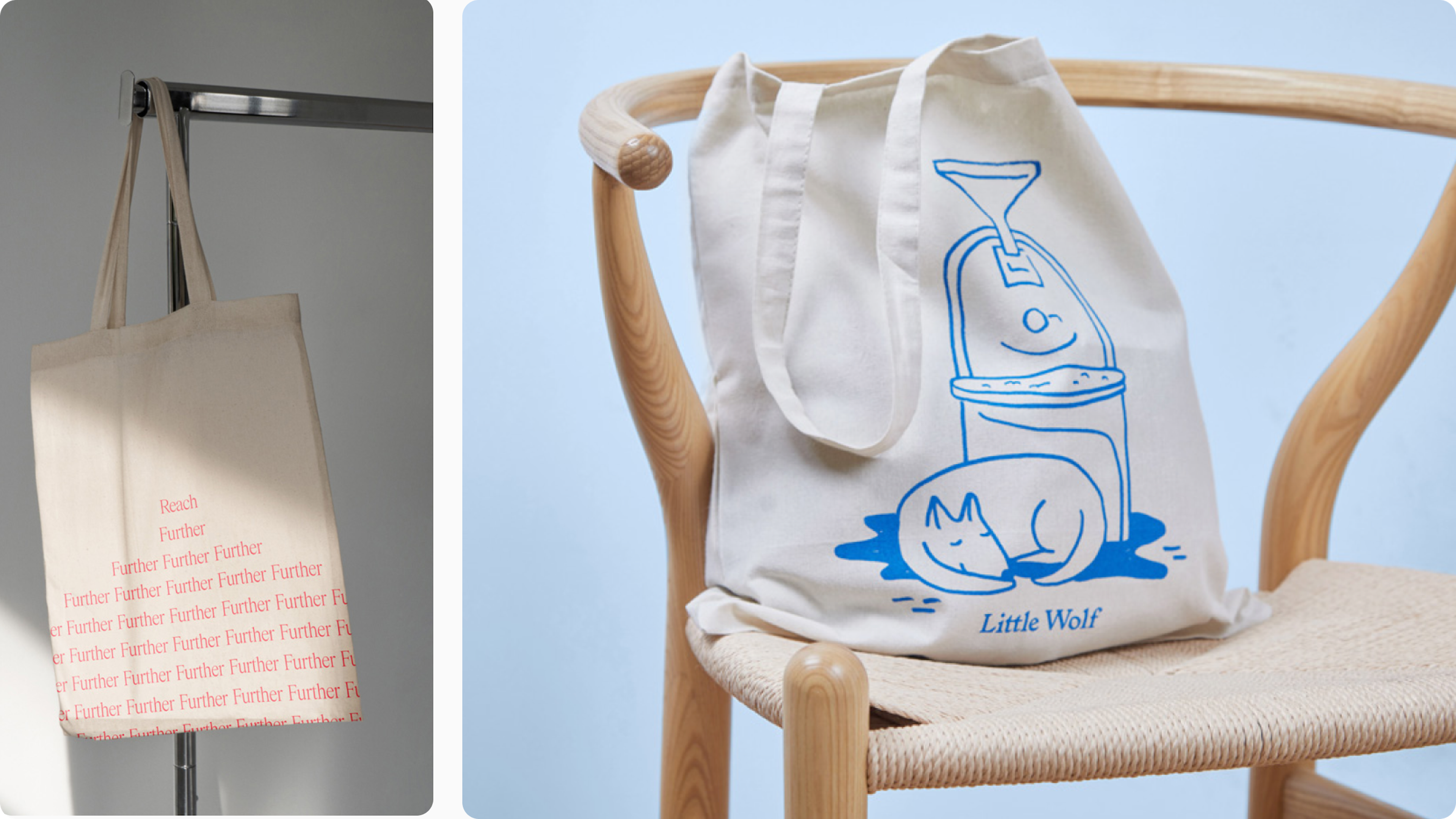
Little Wolf
Everyday work and commute totes
This category is about repeat use. These totes live by desks, bikes, and doorways. They carry laptops, lunch, notebooks, and groceries after work.
A good example here is the Classic Tote. It’s structured enough to feel intentional but neutral enough to work across teams and styles. For slightly heavier daily loads, the Custom Heavy Tote Bag offers more durability without tipping into “weekend bag” territory.
These bags work best for onboarding kits, internal team gifts, and long-term brand presence. Branding should stay subtle—small logo, single color—so the bag feels like something people chose themselves.
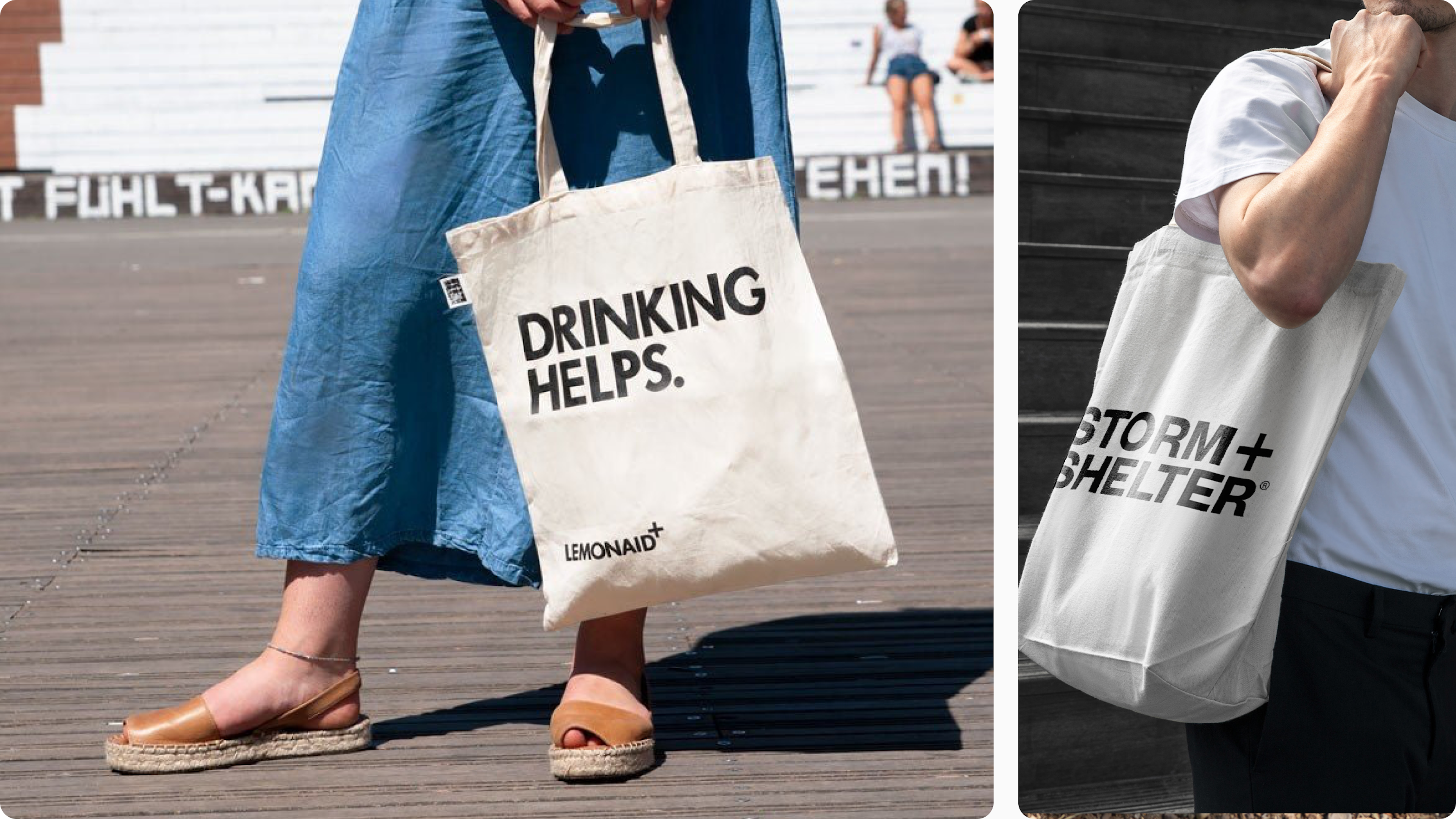
LEMONAID
Double-handle and shoulder-friendly designs
Handle length is one of the most overlooked decisions—and one of the most complained-about after delivery.
The Custom Double-handle Tote gives flexibility. They work when carried by hand or over the shoulder, which matters for commuters and events alike. The Double Handle Tote is a solid option when you don’t know how recipients will use the bag day to day.
These designs signal thoughtfulness. They’re especially useful for mixed audiences where you want to avoid fit issues entirely.
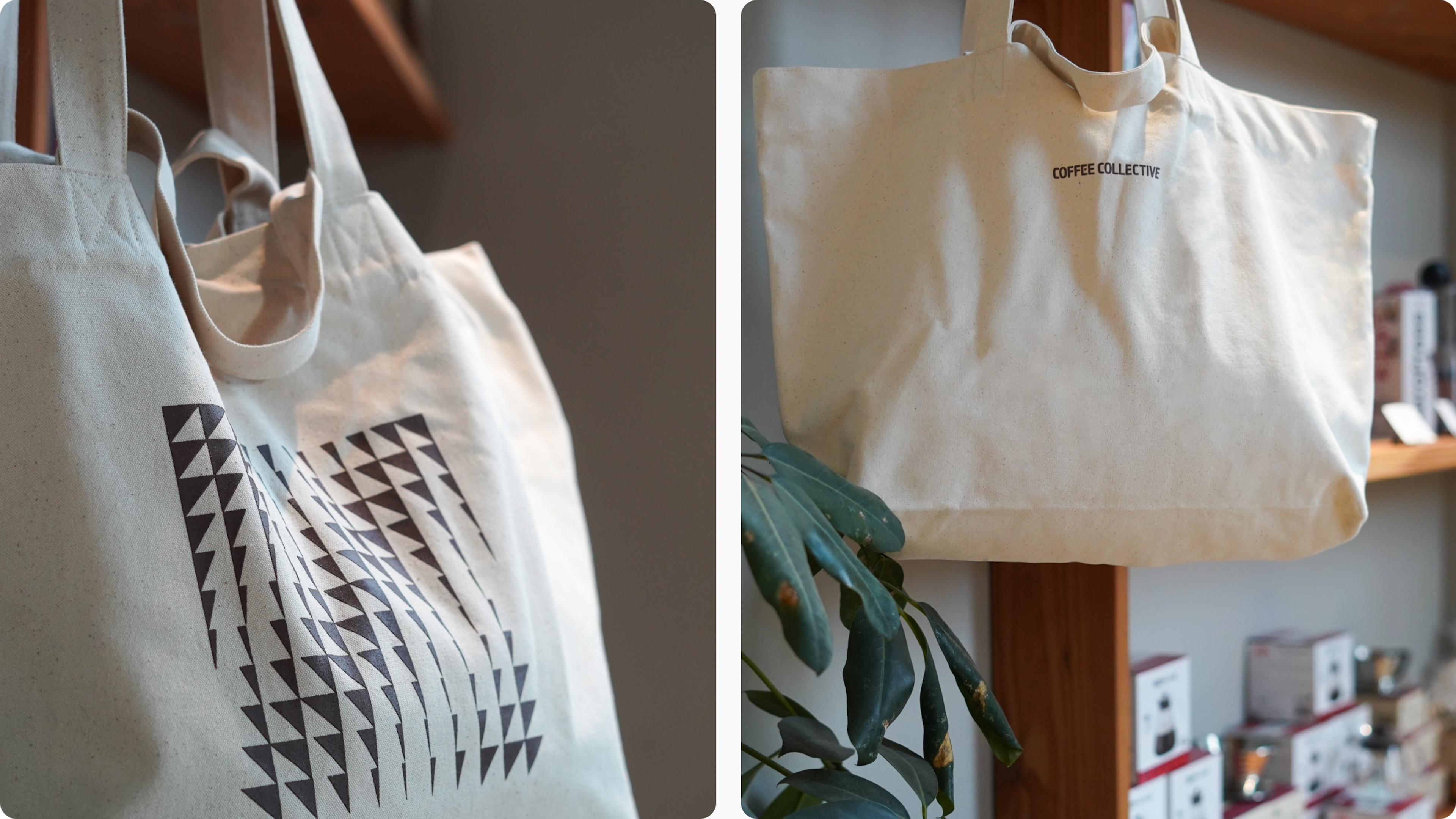
COFFEE COLLECTIVE
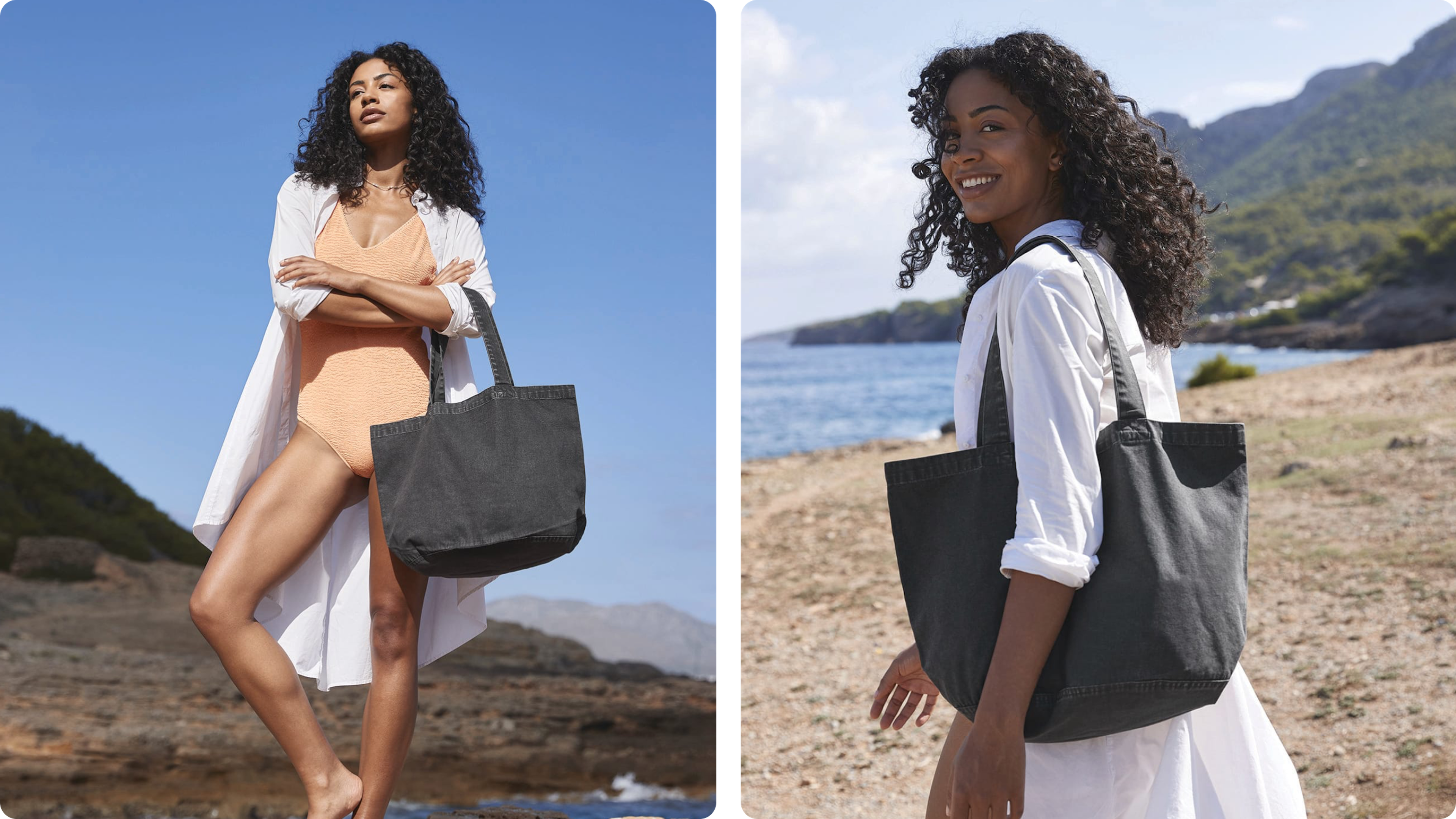
Washed and lifestyle-oriented totes
The Custom Washed Tote feels softer, more relaxed, and less “corporate.” They’re popular with creative teams, lifestyle brands, and companies that want their merch to blend into personal life.
The Washed Tote pairs naturally with small accessories like the matching Custom Washed Washbag, making it a good option for curated kits rather than single-item giveaways.
This category works well for team retreats, agency gifts, or summer campaigns where tone matters more than formality.
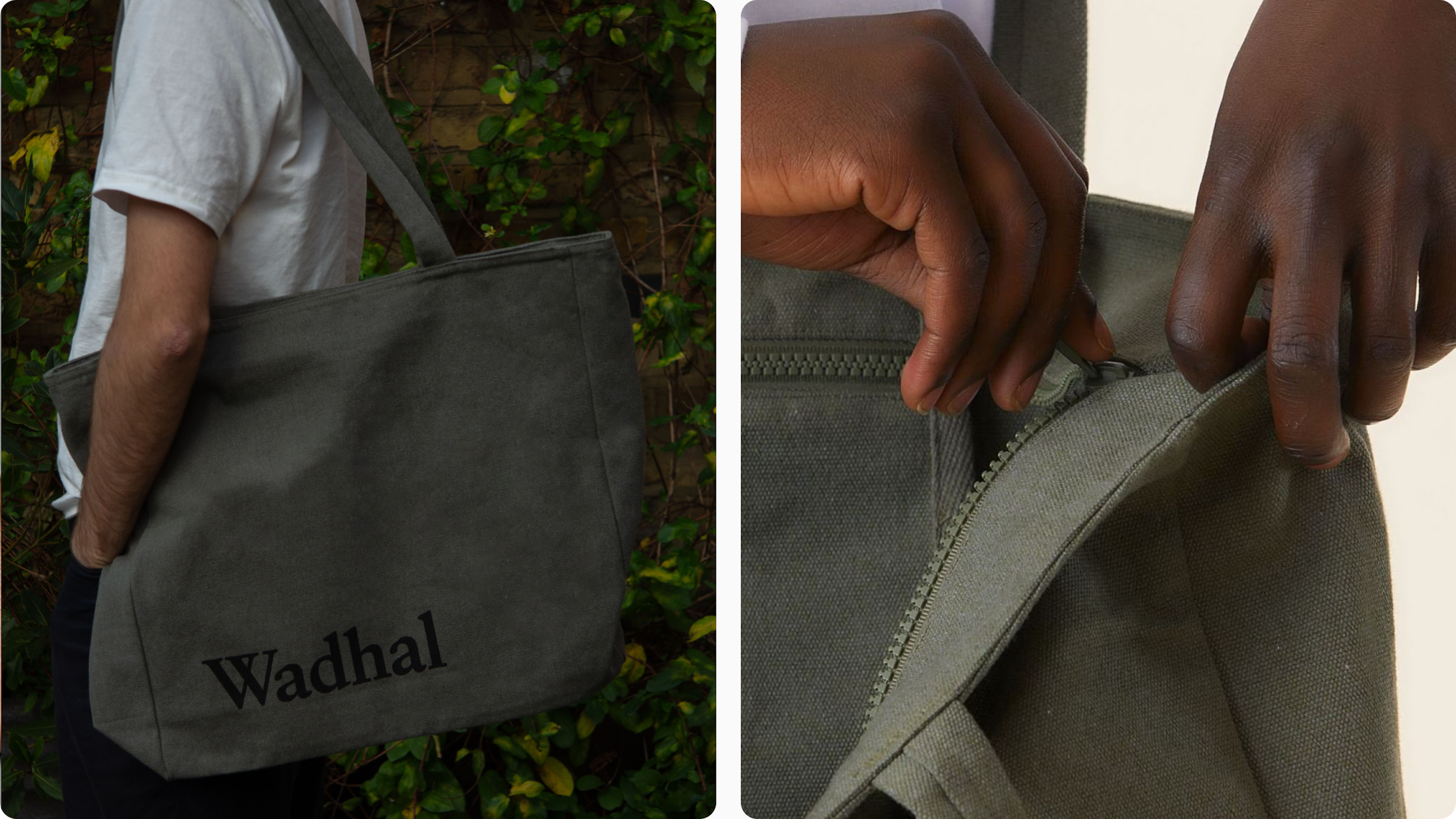
Larger totes for travel and weekends
When a tote becomes a carry-all, size and structure start to matter more. Weekend totes are designed for short trips, gym sessions, or hybrid workdays where people carry more than usual.
The Custom Weekend Tote sits in this space. It’s not an everyday commuter bag—but it feels intentional as a gift. This is often chosen for milestone moments like company anniversaries or leadership offsites.
Because these bags feel more personal, branding should be especially restrained.
Wadhal
Conclusion
The right tote isn’t about trends. It’s about matching the bag to how people actually live and work. Start with context, choose the simplest design that fits that reality, and keep branding intentional.
If you need a fast rule: prioritize comfort and neutrality first, then adjust weight and size based on where and how the bag will be used.
Sugarcoat helps companies across Europe create merchandise people actually want to use, guiding you to the right products and solutions while balancing design, sustainability, and practicality—get in touch to learn more. If you need any more inspiration, we’ve collected 150+ tote bag design ideas.
FAQ
How many times should my logo appear on a personalized tote bag?
Once is usually enough. A single, well-placed logo tends to get more use than repeated branding.
Is a custom tote bag suitable for remote teams?
Yes, especially heavier or lifestyle-oriented totes that feel like a personal item rather than event merch.
What’s the safest option if I don’t know my audience well?
A neutral classic tote with subtle branding works across most roles and locations.
Related posts
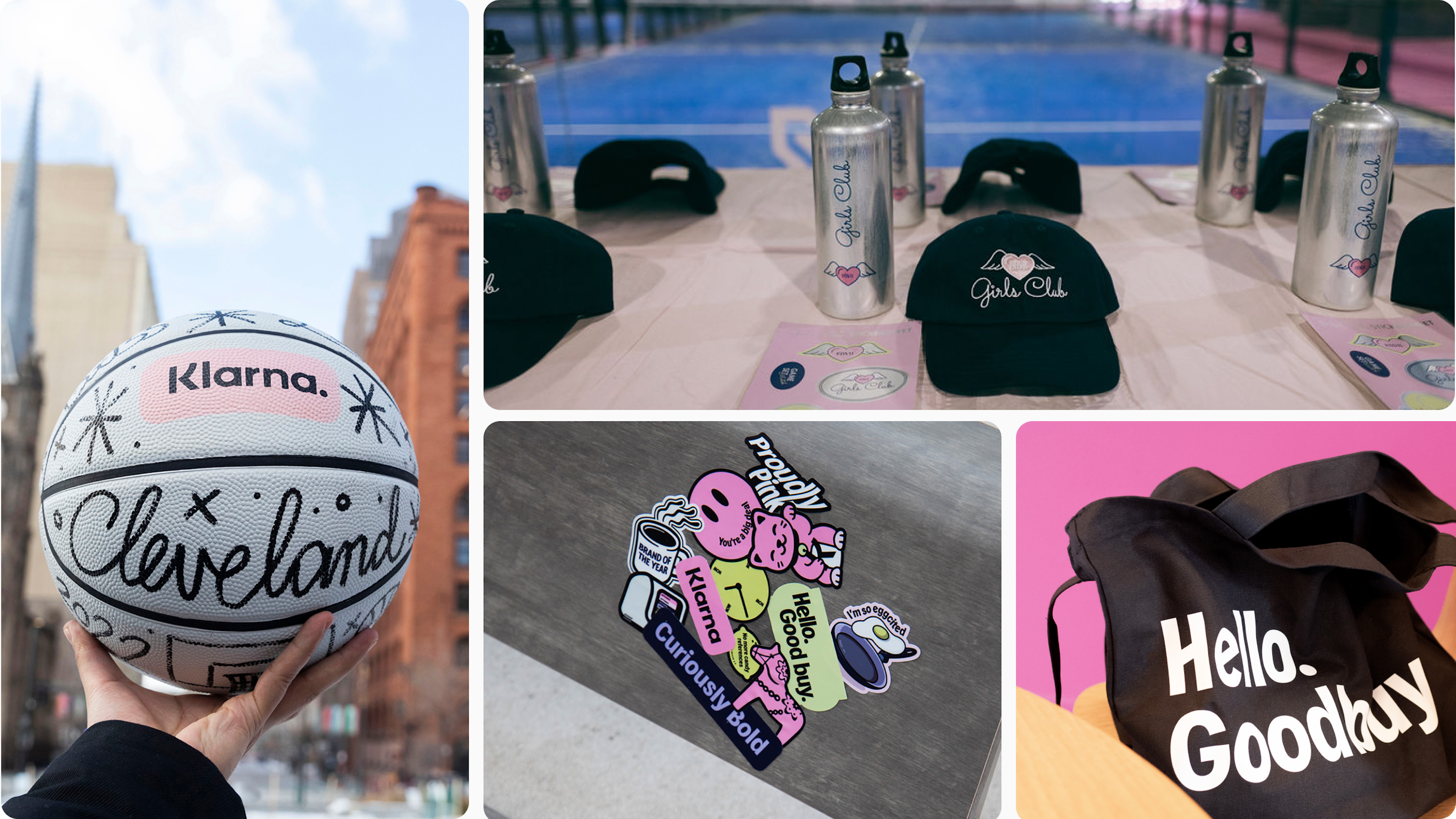
We're here to support you all the way from design and production to delivery.