The Practical Guide to Custom Caps, Beanies & Bucket Hats
Custom caps sound simple—until they need to work in real life: different climates, different styles, different addresses, and a logo that still looks good after months of wear.

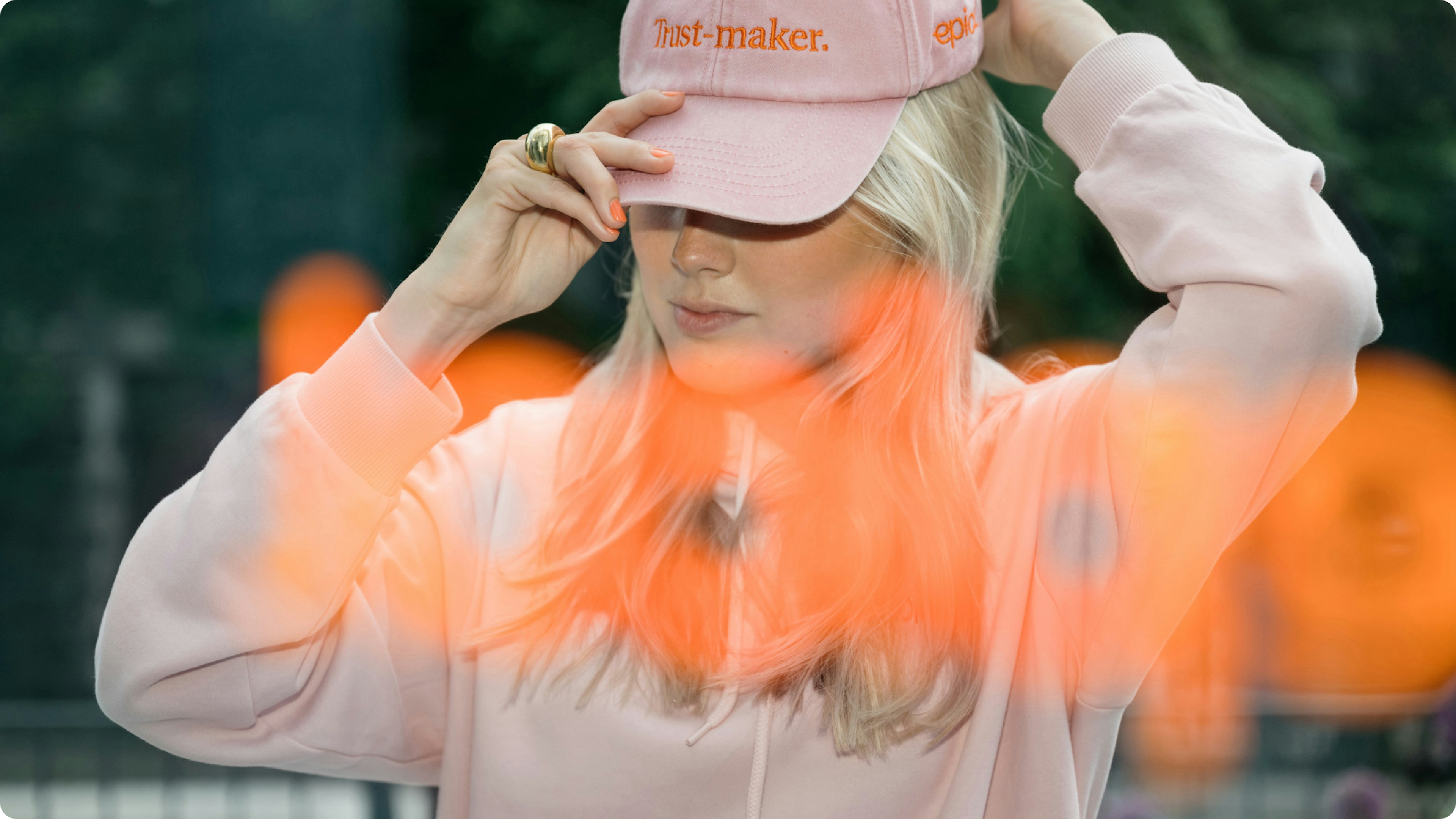
If you’re choosing a custom cap for onboarding, events, or a merch drop, this guide helps you decide which style to pick (cap vs. beanie vs. bucket hat), how to brand it (embroidery vs. print), and how to plan the order so it arrives on time.
To see the full headwear range in one place, start with Sugarcoat’s custom headwear collection.
What decision are you making right now?
Most buyers aren’t deciding “hat vs. no hat.” They’re deciding one of these:
- You need a safe, wearable item for most people. Go cap-first, then decide if you need a winter alternative.
- You’re buying for a moment (summer event, offsite, festival). Choose based on weather, sun, and how bold you want the brand to feel.
- You’re building a merch program (employees, customers, partners). Pick a core style, then add seasonal options so people can choose.
If your use case is onboarding, it’s worth looking at Sugarcoat’s employee welcome kit service for packing and delivery options across multiple addresses.
The Sugarcoat Headwear Fit Check
Before you pick a product, run this quick check. It prevents most “we chose the wrong style” outcomes.
- Season reality: Are you shipping to Copenhagen in February or Barcelona in June?
- Brand visibility: Do you want a quiet mark (tone-on-tone) or something seen from five meters away?
- Wear pattern: Will people wear it weekly (everyday cap) or occasionally (event bucket hat)?
- Distribution: One office drop, or 200 individual shipments?
For teams distributing across Europe, it also helps to align early on timelines and split shipments. Sugarcoat’s shipping overview is a useful reference for typical lead times and multi-address delivery.
Custom Caps
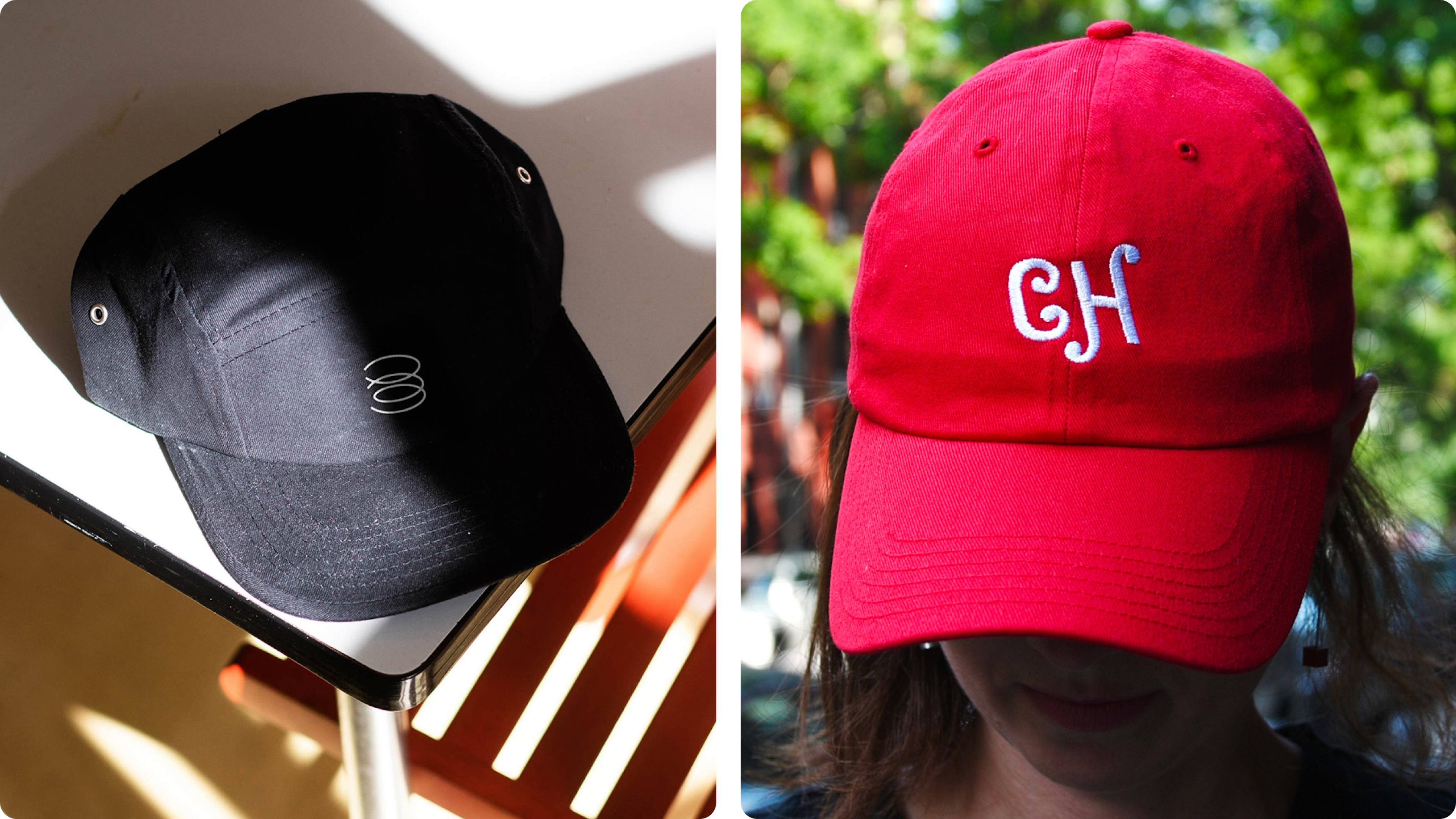
Custom caps work because they’re season-flexible, sizing is easy, and they fit most wardrobes. They’re also the easiest headwear option to keep subtle: a small embroidery, the right cap color, and it feels like a brand—not an ad.
The Custom Organic 6-panel Dad Cap
For welcome kits and everyday use, a soft, unstructured dad cap is a reliable choice. It looks natural with office outfits and weekend clothes, and it works especially well with a small front embroidery in tone-on-tone thread.
The Recycled Two-Tone Cap
If you want the cap to feel a bit more “event-ready” (without going loud), a two-tone style gives you contrast and character while still staying wearable. It’s a smart pick for conferences, summer activations, or teams that like a slightly more statement look.
The wool cap
When you’re gifting in autumn/winter—or you want something that feels more elevated—wool is a strong material choice. It brings texture, warmth, and a more “fashion” finish—ideal for leadership gifts, partner packs, or internal drops where quality is the signal.
Custom Beanies
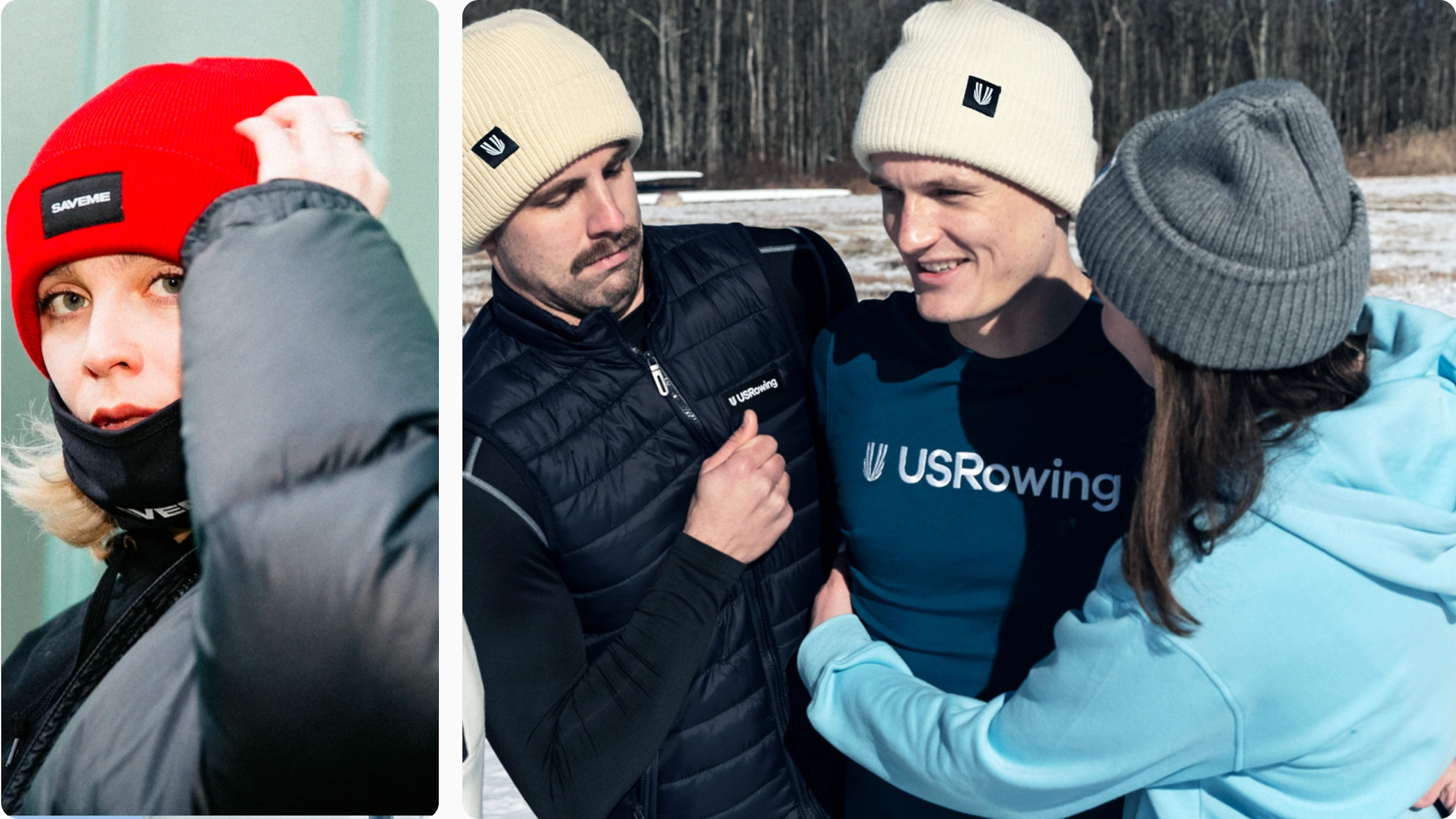
A custom beanie is less universal than a cap, but when it’s the right season, it gets worn constantly. It also signals practicality and care, especially for distributed teams in colder regions.
The Rib Beanie
Rib knits look sharper than you’d expect, especially in darker colors with a small logo on the fold. This style works well for office commutes, warehouse teams, and winter welcome packs.
The Organic Cotton Beanie
If you want a comfortable, minimal beanie that feels giftable, organic cotton is an easy win. Keep the logo small and centered, and it reads like a real wardrobe item.
A beanie pairs naturally with a tumbler or a notebook—something people can use with a warm drink on winter mornings and keep on their desk all year. If you’re building a kit like that, we’re happy to help with everything from product selection to distribution.
Custom bucket hats
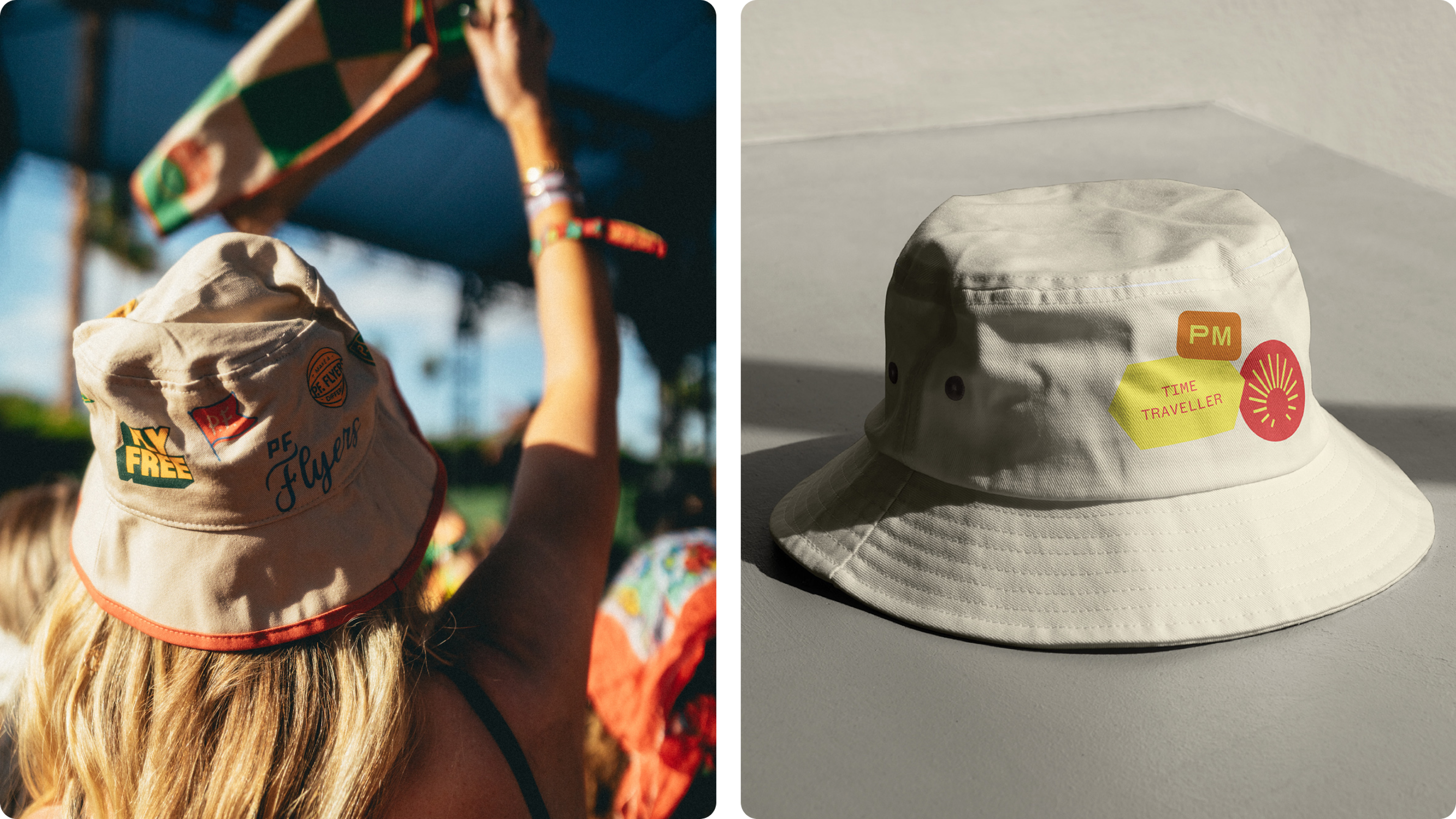
Custom bucket hats are trend-forward and a bit louder by nature. They work especially well for summer events, outdoor activations, and brands that want something playful without going full costume.
The Washed Organic Bucket Hat
A washed finish looks broken-in (in a good way). It’s the bucket hat people keep after the event because it doesn’t look brand-new-and-shiny. This style also supports both embroidery and printing depending on the artwork.
The Recycled Nylon Bucket Hat
If you want something lighter that handles sun and movement well, nylon is a practical choice. It can feel more “sport” than “street,” which is ideal for summer campaigns, team travel, or customer community events.
Branding and production: embroidery vs printing
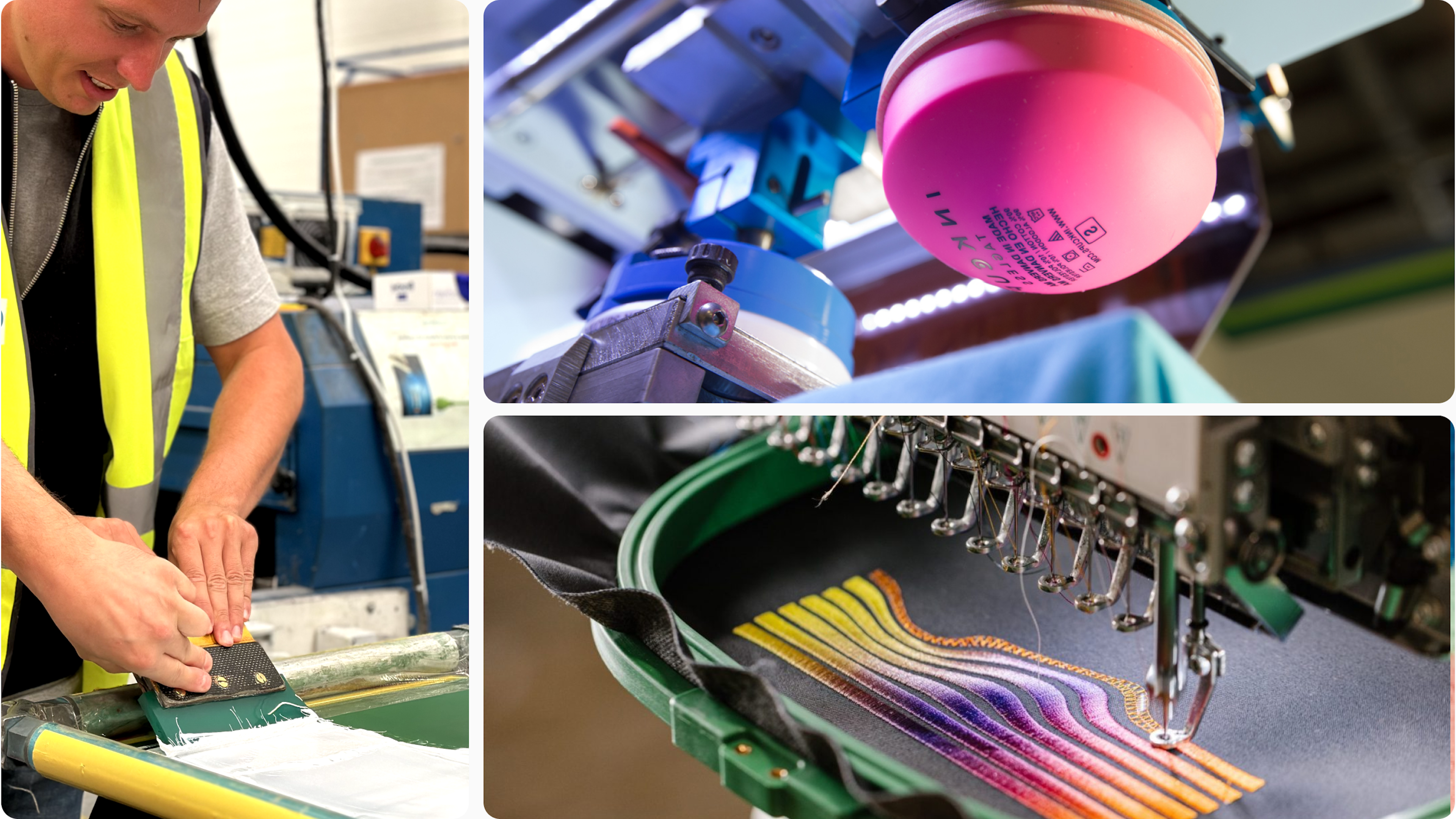
Headwear is less forgiving than tees. The surface is curved, seams break up artwork, and the logo sits where people look. That’s why embroidery is usually the safest choice for custom headwear when you want durability and a premium feel.
- Embroidery works well when: your logo is simple, you can use 1–3 thread colors, and you want it to last through regular wear.
- Printing works well when: you need fine detail, gradients, or larger artwork—especially on bucket hats where the panel is less structured.
Two small tactics that consistently improve results:
First, test the logo at “thumbnail size.” If it’s not readable at 2 cm wide, simplify it. Second, pick thread colors that match the fabric tone rather than fighting it (tone-on-tone looks intentional; high contrast can look promotional).
Budgets, team sizes, and timeline risk
Budget tiers
- Around €10–€15 per person: you’re typically looking at a single headwear item with straightforward branding—great for a beanie or simpler caps.
- Around €25 per person: you can upgrade materials, add more detailed decoration, or build a small kit (headwear + 1–2 supporting items).
- €50+ per person: you’re in “gift” territory, where headwear becomes part of a premium bundle and presentation matters more.
Team size realities
- For 20–50 people: you can choose more niche styles and colors without worrying too much about leftover stock.
- For 200+ people: pick a core colorway that flatters many people and keep branding subtle; it reduces friction and returns.
- For 2,000+: distribution becomes the project. Consider a system where people choose their style (cap vs. beanie) and you ship on demand.
Timeline
If you’re sending headwear to multiple offices—or straight to people’s homes—a merch platform is usually the easiest way to stay organised. It replaces messy spreadsheets, reduces address chasing, and makes re-orders or size swaps far less painful.
If you’re ordering for a specific moment like a conference, roadshow, or summer activation, timelines become the project. In that case, logistics matter just as much as the product, so it helps to work with a setup built for event deadlines.
And if headwear is part of a gift for customers, partners, or VIPs, it’s worth treating it like a proper gift experience—not a giveaway. We’re happy to support you with your corporate gifting.
Conclusion
Headwear works best when it fits real life: the season, the recipient’s style, and how your team actually operates. Start by deciding the context (everyday wear vs. a specific event), then choose the style that matches that reality—and keep the branding clear, understated, and well-placed.
If you want a simple rule to decide fast: pick one “default” style that suits the broadest group, keep the logo small and clean, and only add a second option when the climate or audience truly calls for it.
If your main concern is that branded headwear might feel cheap or too loud, begin by gathering a few strong references. It makes briefing and design decisions much easier when you can point to the exact vibe—logo size, placement, tone-on-tone stitching, and how the product looks when it’s actually worn.
We’ve also collected headwear inspiration on our website. If you have any questions, don’t hesitate to contact us.
FAQ
What’s a typical minimum order for custom hats?
Most custom headwear projects start around 20–25 pieces per design. Exact minimums vary by product, so it’s worth checking the product page before you lock a concept.
How long does it take from approval to delivery?
Plan for a few weeks end-to-end, depending on decoration and shipping. If timing is tight, prioritize fast decisions on artwork and keep decoration simple.
Should I pick embroidery or printing?
If you want a durable, premium finish and your logo is simple, go embroidery. If you need detailed artwork or larger graphics, printing can be the better match (especially on bucket hats).
Do I need to worry about sizing?
Less than with apparel, but still a bit. Bucket hats often come in multiple sizes, while most caps and beanies are one-size with adjustable fits. If you’re unsure, choose styles with flexible sizing and neutral profiles.
Related posts
We're here to support you all the way from design and production to delivery.